Lawmakers have called for the wider use of virtual reality training and smarter driving test arrangements to ease traffic pressure caused by learner drivers and road tests.
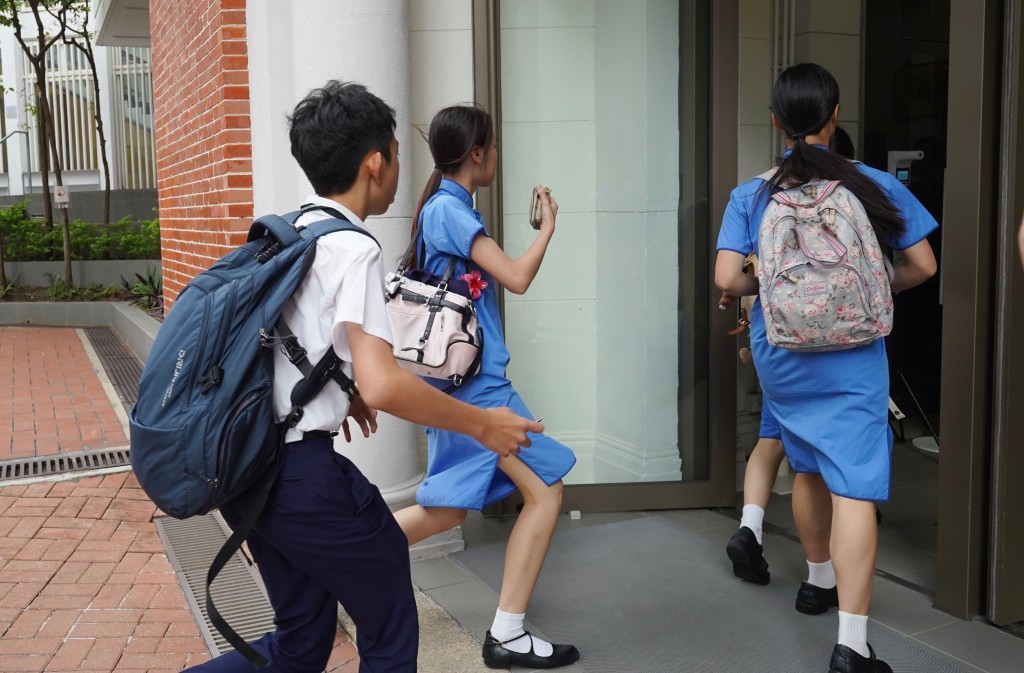
The calls came amid growing concern over congestion in several districts, where slow-moving learner drivers and driving tests have been blamed for adding pressure to busy roads.
Speaking at the Legislative Council on Wednesday, lawmaker Lau Chi-pang asked whether the government would adopt a VR driving training platform developed by local universities under the Smart Traffic Fund to improve learner training and reduce the burden on public roads.
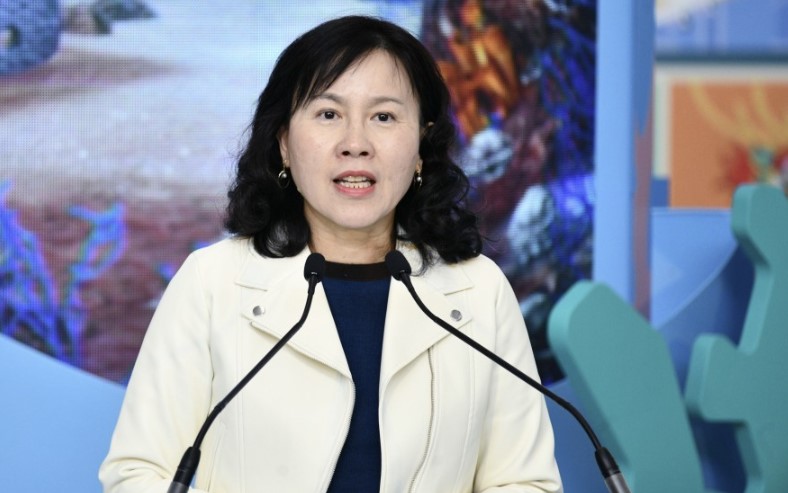
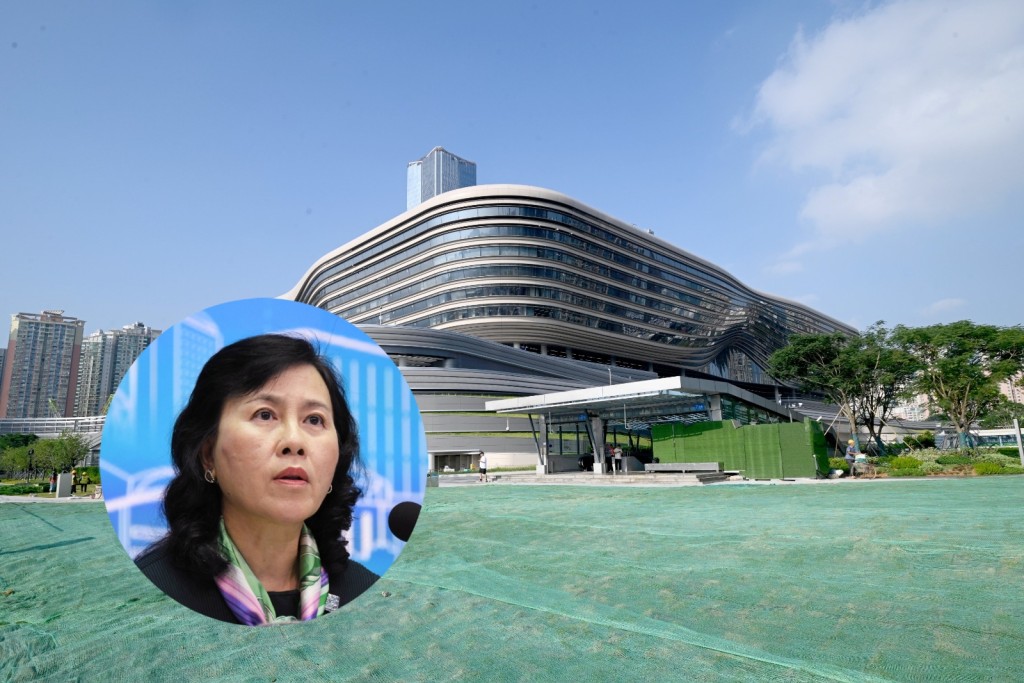
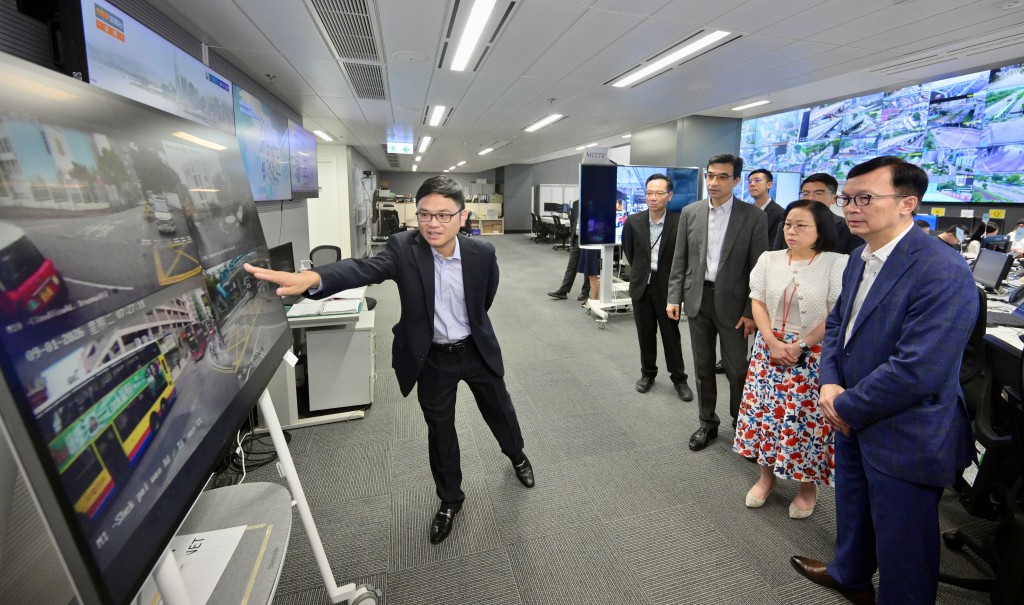
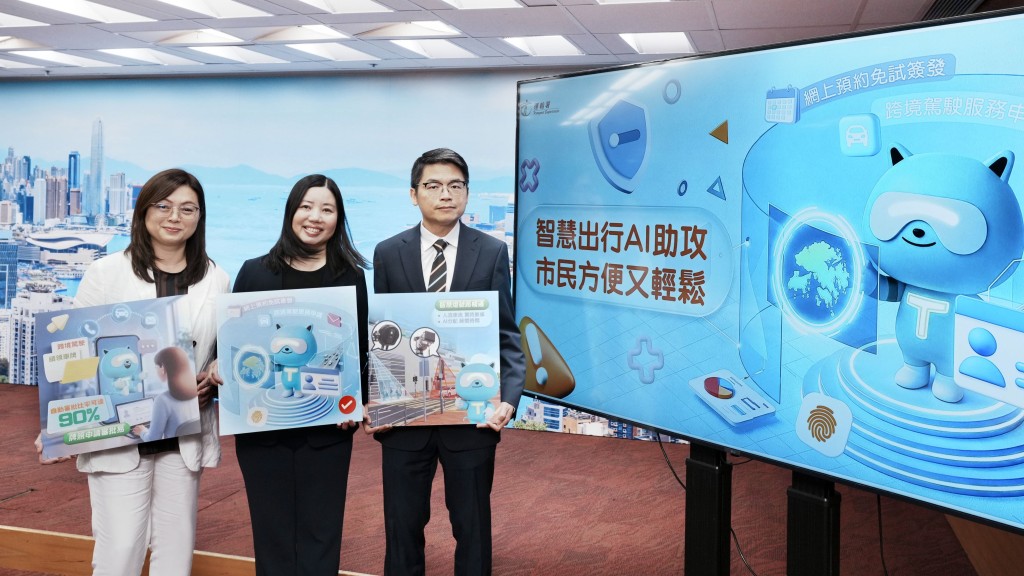
Secretary for Transport and Logistics Mable Chan said smart and enclosed training and testing scenarios could help improve driving skills, adding that the department was open to exploring innovative solutions.
Chan said driver training activities are currently banned on all Hong Kong roads during weekday peak hours and on Saturday mornings to reduce the impact on traffic.
She said the Transport Department would continue to strike a balance between the need for on-street road tests and driver training, and their impact on traffic. She added that traffic had been smooth after route adjustments were made at three driving test centers — Pui Ching Road, Siu Lek Yuen and Yuen Long — between 2023 and 2025.
On the shortage of suitable test centers, Chan said the department has been looking for sites across the city. She said new locations must have sufficient traffic flow to properly assess candidates’ driving abilities, while also taking into account the views of different stakeholders.
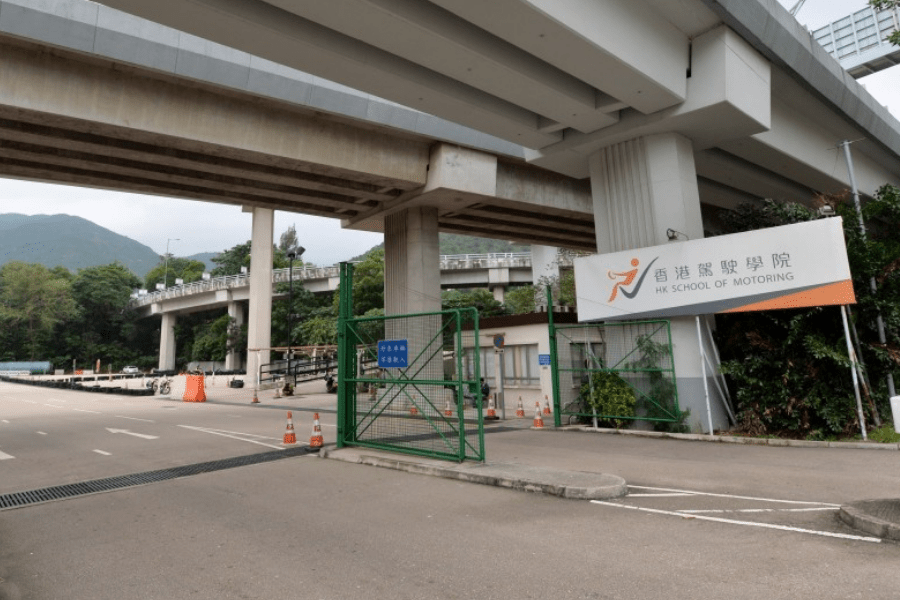
The government is also searching for new sites that can host closed-course tests. At present, only 12 of Hong Kong’s 17 driving test centers conduct skills tests on their own premises, while the remaining five use public roads because of site constraints.
Chan acknowledged that it is difficult to find suitable test center sites, especially in urban areas. She encouraged the industry to set up designated driving schools with independent training grounds and welcomed proposals from operators with suitable land.
On suggestions to introduce intelligent dynamic test routes, allowing examiners to adjust routes according to real-time traffic conditions, Chan struck a cautious note.
She said busy intersections form part of the test and help assess whether candidates can handle different road conditions.
Responding to proposals to expand restricted zones or extend the hours during which learner-driver activities are banned, Chan acknowledged that driver training may affect road safety during certain periods.
She said the government is actively identifying suitable urban sites, including studying a comprehensive test center in Chai Wan to ease pressure on the existing test center in Ap Lei Chau. The department is also considering diverting candidates to new locations in Wan Chai.
Chan said the department would continue to monitor road test conditions around driving test centers and adjust routes or test locations when necessary.