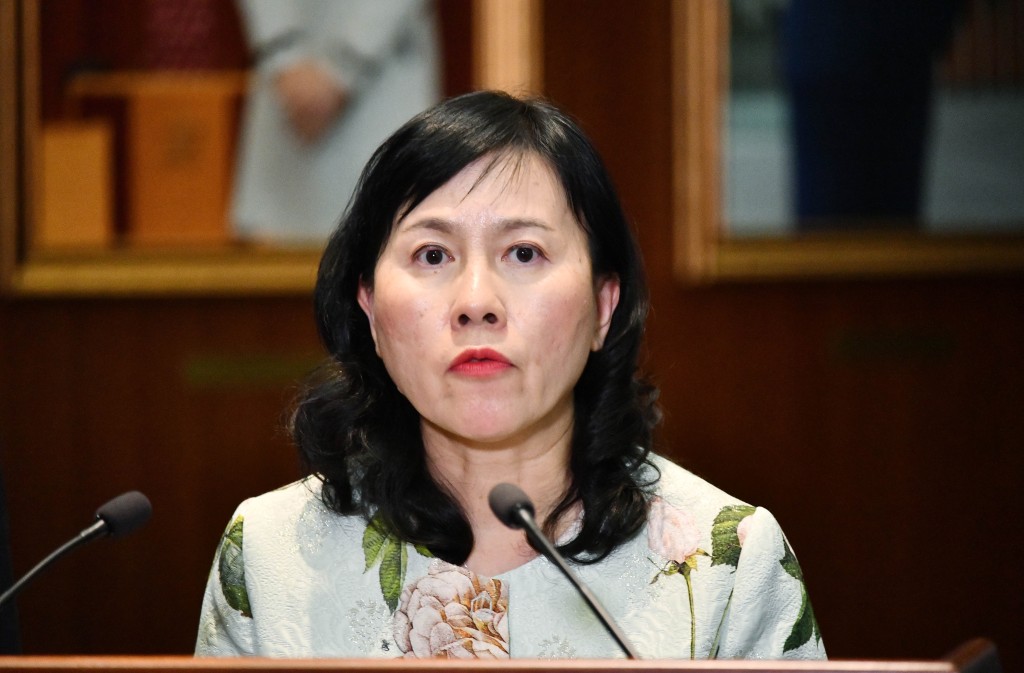
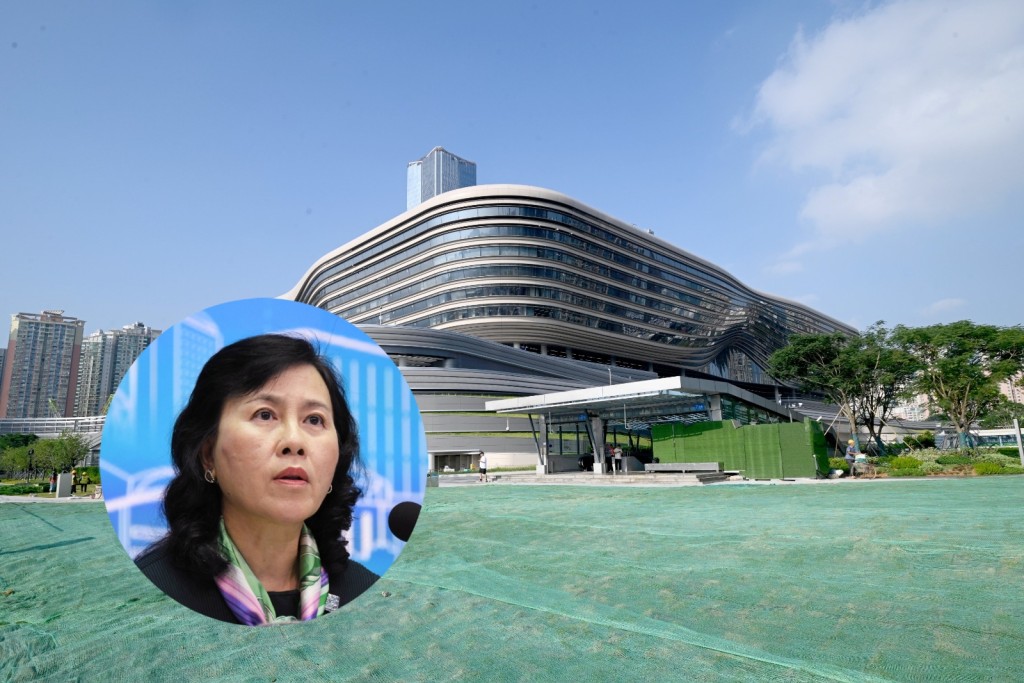
The Airport Authority will continue to encourage airlines to adopt newer and quieter aircraft through its Noise Quota Count Scheme to manage noise caused by late-night flights, Secretary for Transport and Logistics Mable Chan said on Wednesday.
Chan’s remarks came after lawmakers raised concerns over worsening late-night aircraft noise in residential areas following the extension of operating hours on the south runway to 2am last August.
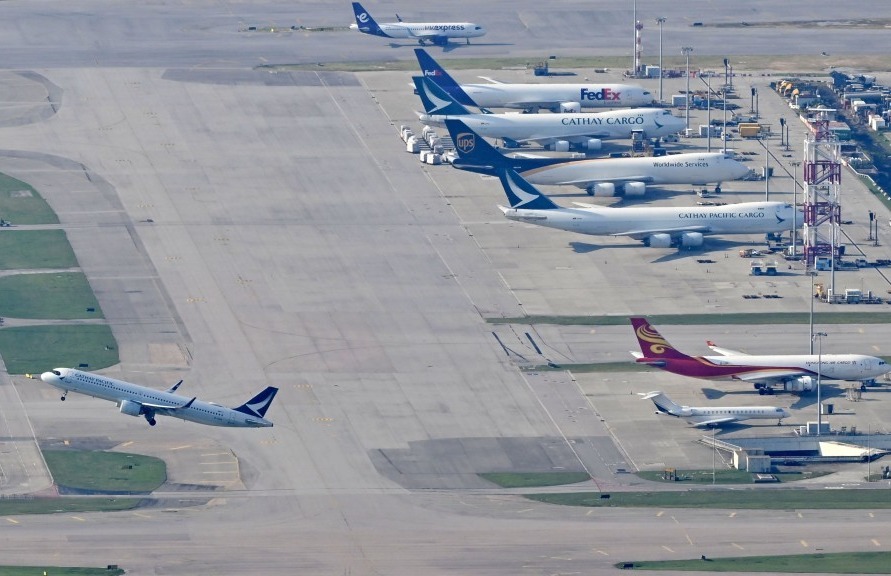
Speaking at a Legislative Council meeting, Chan said Hong Kong International Airport currently operates two runways between 11pm and 2am. The south runway is mainly used for departures, as well as a small number of cargo arrivals.
She said the Airport Authority and the Civil Aviation Department have implemented a series of noise-mitigation measures, without compromising aviation safety, to reduce disturbance to nearby communities such as Tung Chung.
Authorities will continue to monitor operational developments and make further adjustments where necessary, she added.
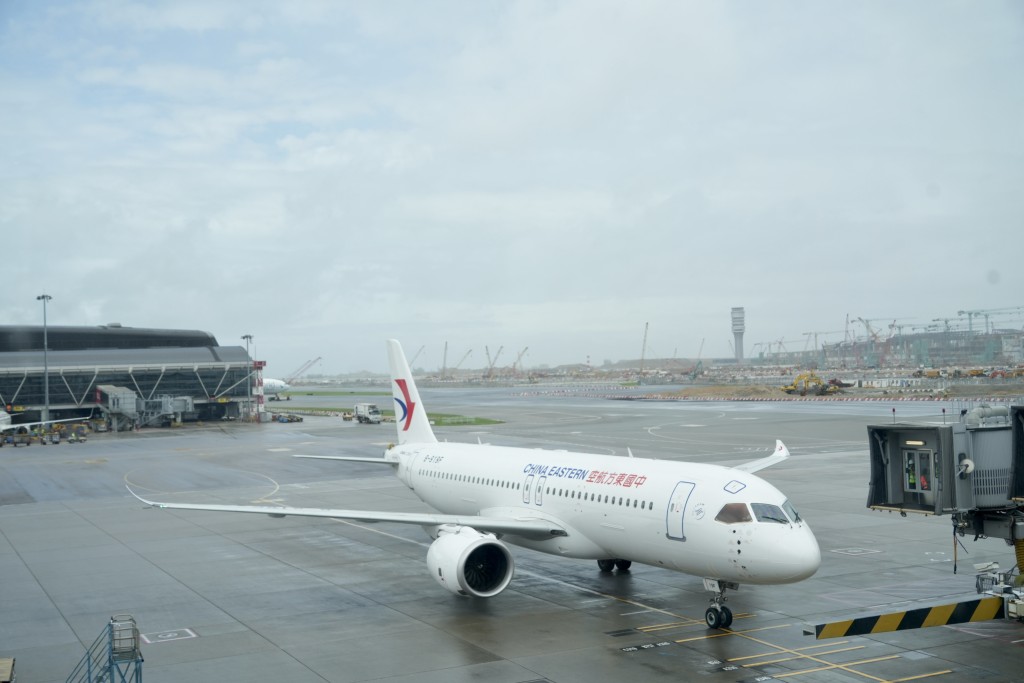
Chan said airlines are also progressively upgrading their fleets to increase the use of modern, low-noise aircraft, describing this as a long-term measure to reduce aviation noise.
She stressed that the environmental impact assessment for the Three-Runway System found that potential short- and long-term health risks remained within acceptable levels.
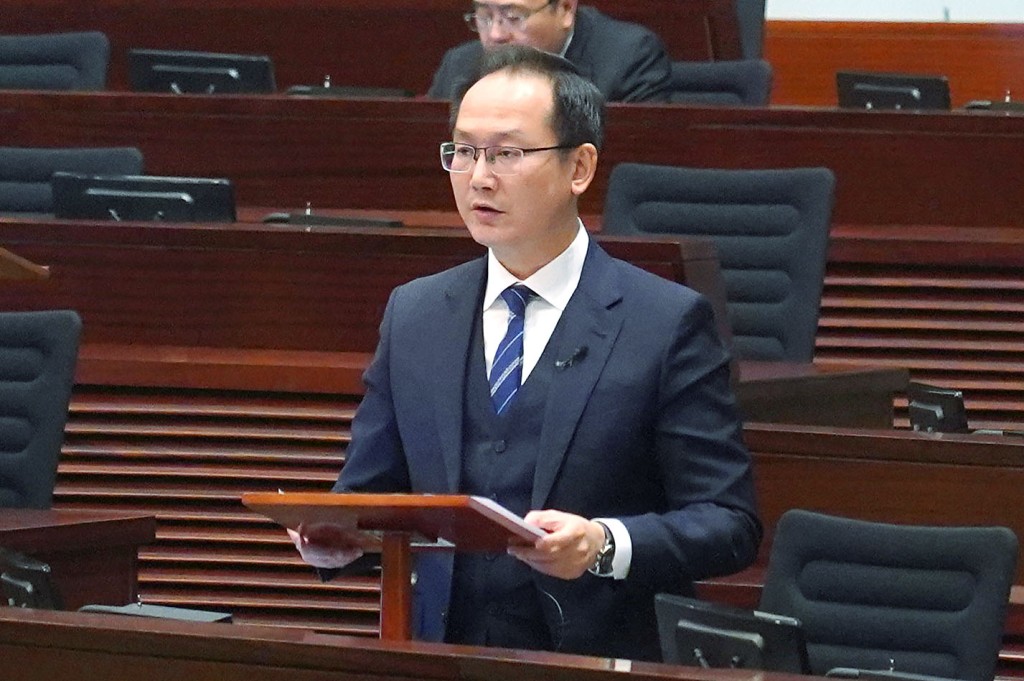
However, lawmaker Chan Hok-fung said he and his team recorded noise levels exceeding 80 decibels in Tung Chung residential areas using basic sound level meters during a site inspection in March.
He said the noise continued until 2am, adding that such prolonged high-decibel readings were intolerable for residents even if they met statutory environmental impact assessment benchmarks.
In response, the transport chief said authorities would maintain regular communication with affected residents through dedicated district liaison groups.
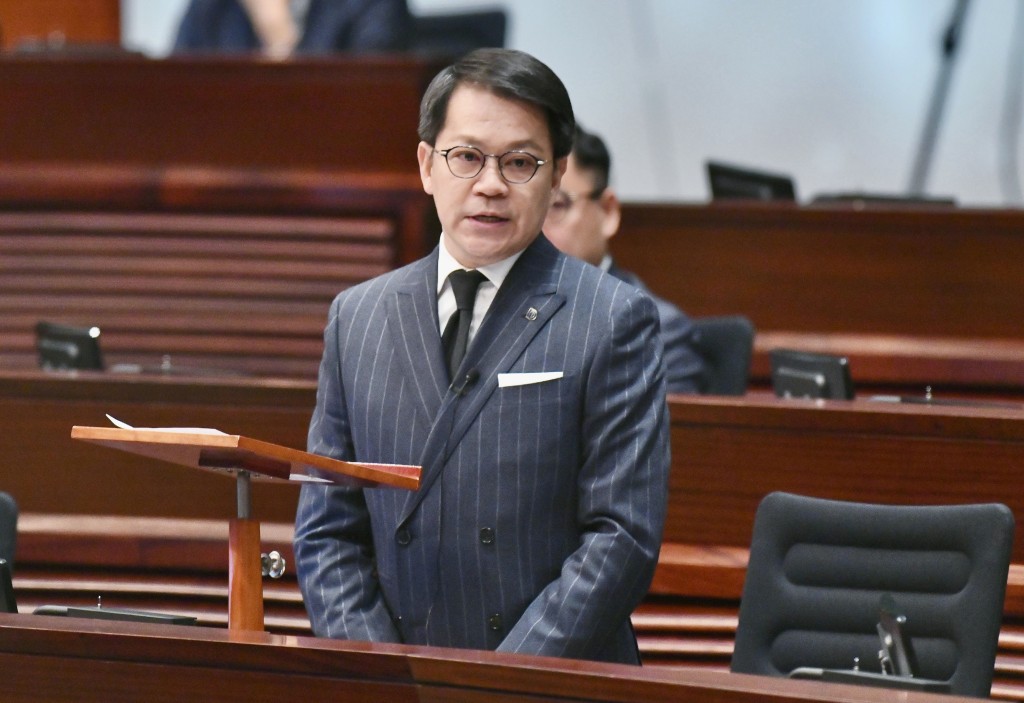
Lawmaker Gary Chan Hak-kan, meanwhile, said arrivals across all three runways affected areas including Tsuen Wan, Tuen Mun and Sha Tin. He cited data showing that the proportion of flights causing noise levels above 65 decibels in Sha Tin rose from 0.6 percent in 2024 to 3.31 percent in 2025.
He urged the government to make greater use of the sixth track, also known as the West Lamma Channel approach route, and to introduce financial incentives, such as reduced aircraft parking charges, to encourage more airlines to reroute flights away from populated areas.
Mable Chan said authorities would consider the incentive-based proposal, but noted that the use of the sixth track requires high pilot competency, accurate navigation tools, suitable weather and favorable air traffic conditions. Relevant departments will also study feasible support measures to increase its use in future, she said.