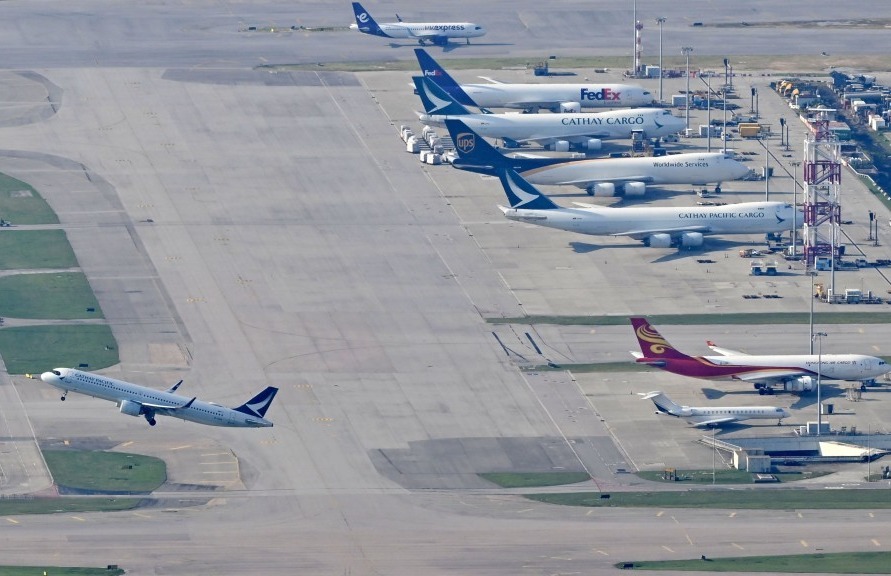
Hong Kong is looking to increase direct flight capacity to Europe and the United States, aiming to strengthen its role as a global logistics hub in response to disruptions caused by Middle East tensions.
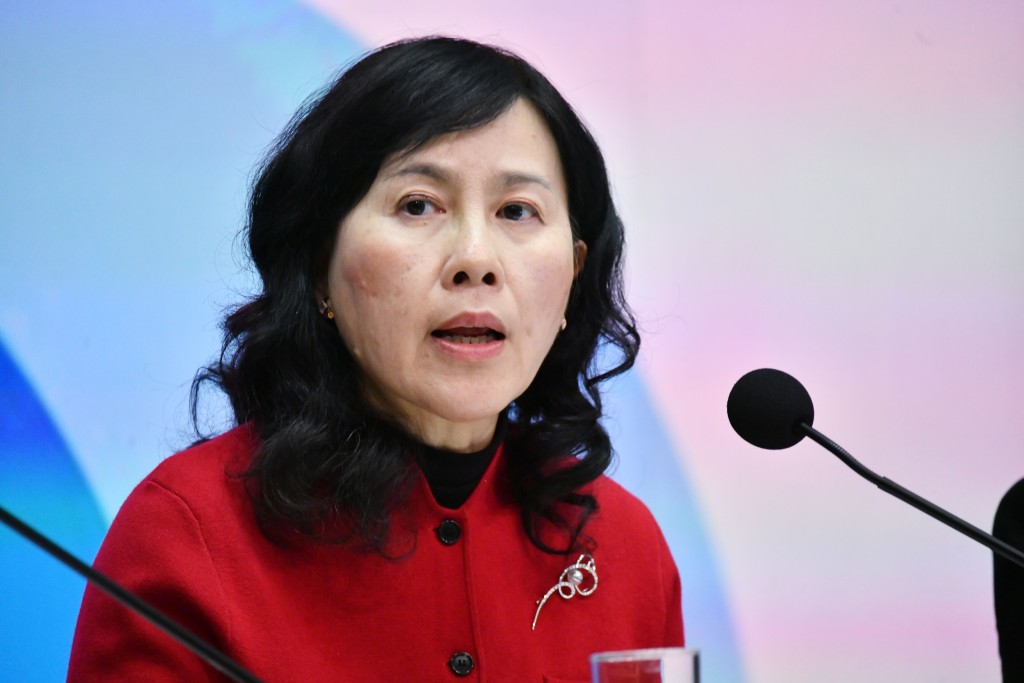
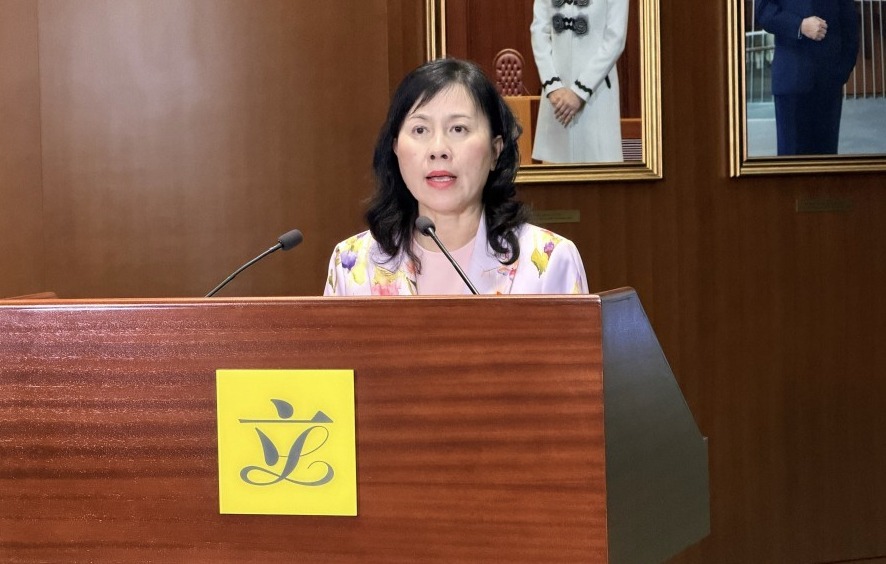
Speaking on a radio program, Secretary for Transport and Logistics Mable Chan said that the government is also working to enhance transit services to capture cargo opportunities redirected from the affected region.
Chan noted that airspace restrictions in the Middle East have disrupted Hong Kong’s air transport, as significant volumes of transshipment cargo to Europe, the US, and Southeast Asia typically pass through Middle Eastern airports.
She said Hong Kong is exploring ways to ramp up direct flight capacity to Western markets and expand transit flights to capitalize on opportunities created by the ongoing tensions.
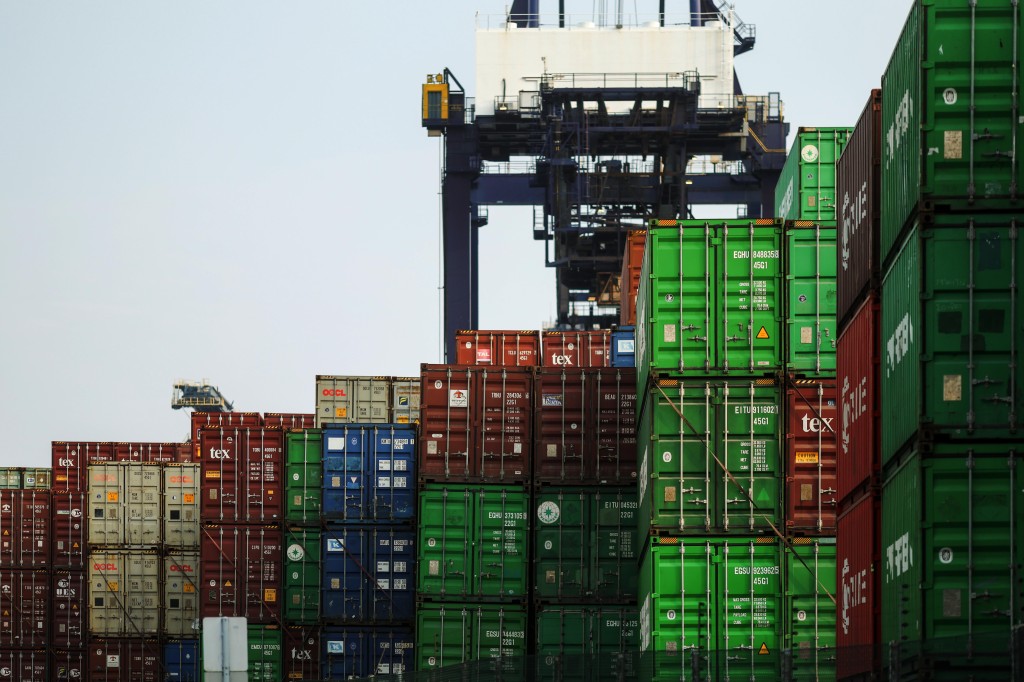
Chan noted that recent observations at container terminals have shown that some vessels are rerouting or temporarily offloading cargo in Hong Kong, as original routes through the Middle East face disruptions.
She emphasized Hong Kong’s leading role as a “catch-up port”, highlighting that the city can handle cargo in less than a day on average, helping to mitigate global supply chain disruptions.
Meanwhile, Chan said the government has been in close contact with airlines over recent fuel-surcharge hikes, demanding clearer disclosure of fees on air tickets. Authorities are also monitoring fuel stockpiles to ensure a stable, adequate supply.
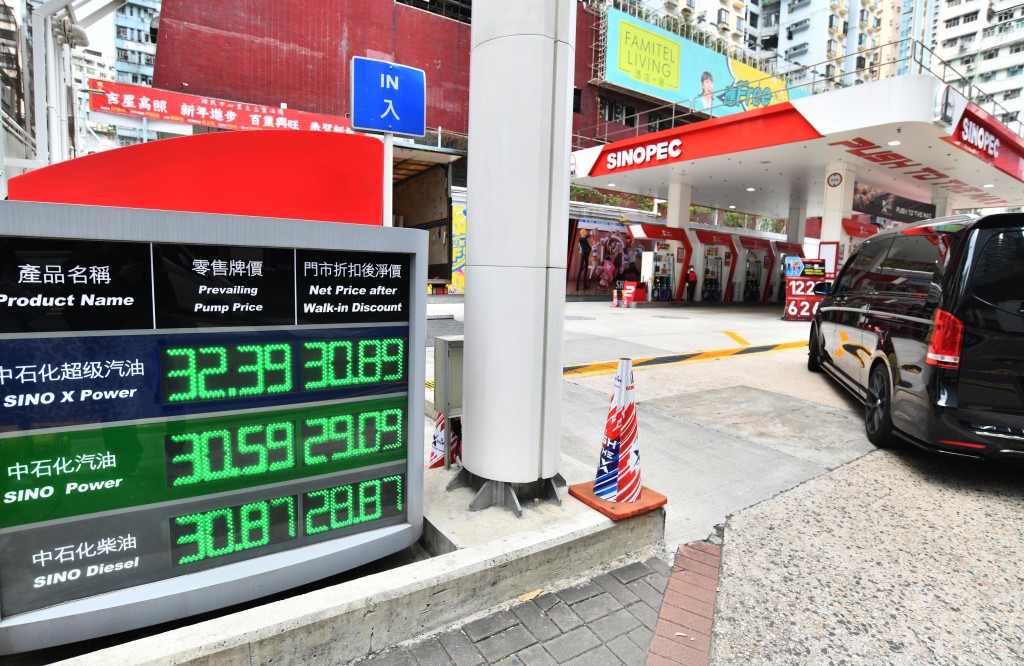
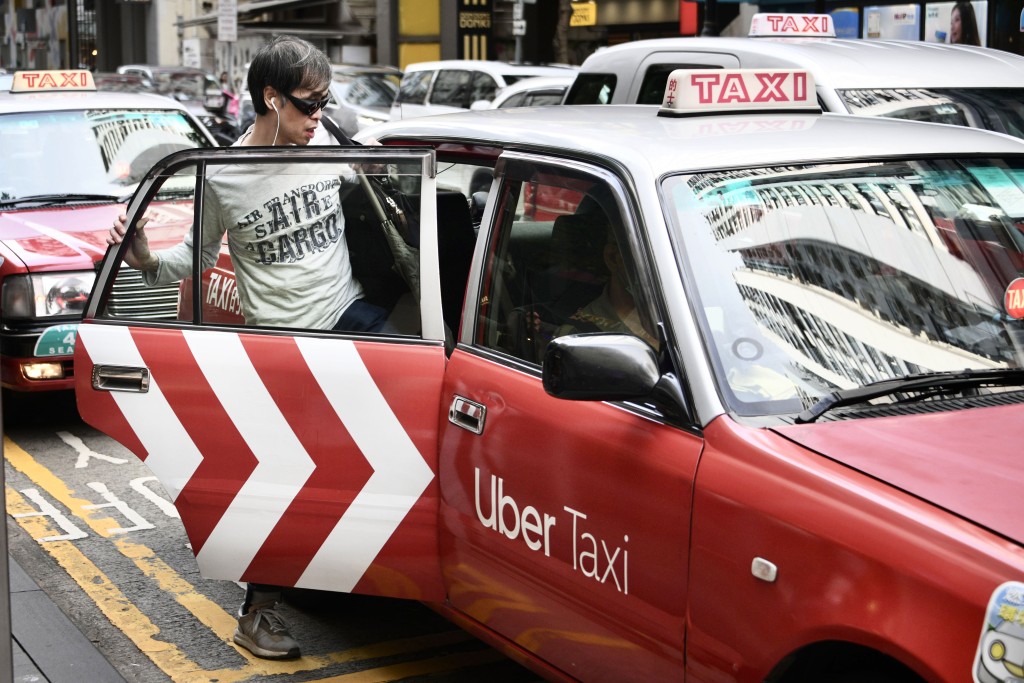
She added that the government is in regular contact with public transport operators, including buses, minibuses, and taxis, to assess the impact of rising oil prices. Established mechanisms will be in place to evaluate any potential fare adjustments, taking into account overall operations, revenue, costs and projected passenger growth.
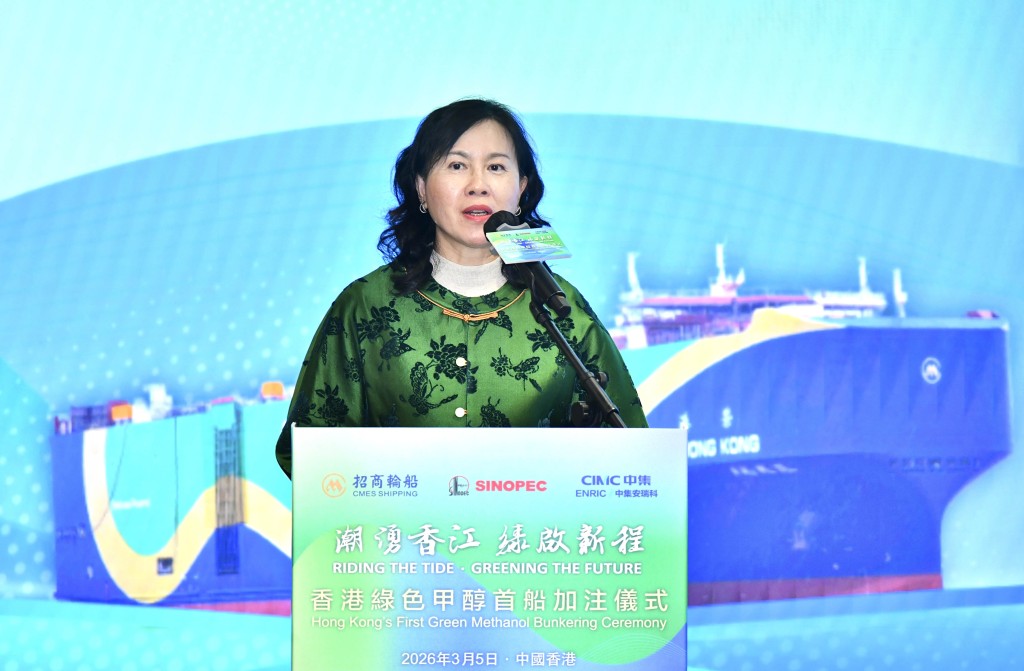
In addition, Chan said Hong Kong completed its first simultaneous green methanol bunkering and cargo operation, and that green fuels will diversify supply and reduce reliance on fluctuating traditional fuel prices. Hong Kong must boost its competitiveness as an international shipping center and develop green energy to attract more ocean-going vessels to call at its ports.
She noted that the government had reserved a dedicated coastal site in Tsing Yi for the development of a green marine fuel storage base, and had received seven expressions of interest. The feasibility is under study, and the site will be tendered soon. She added that the government will explore industry proposals to convert existing fuel facilities for new energy storage.
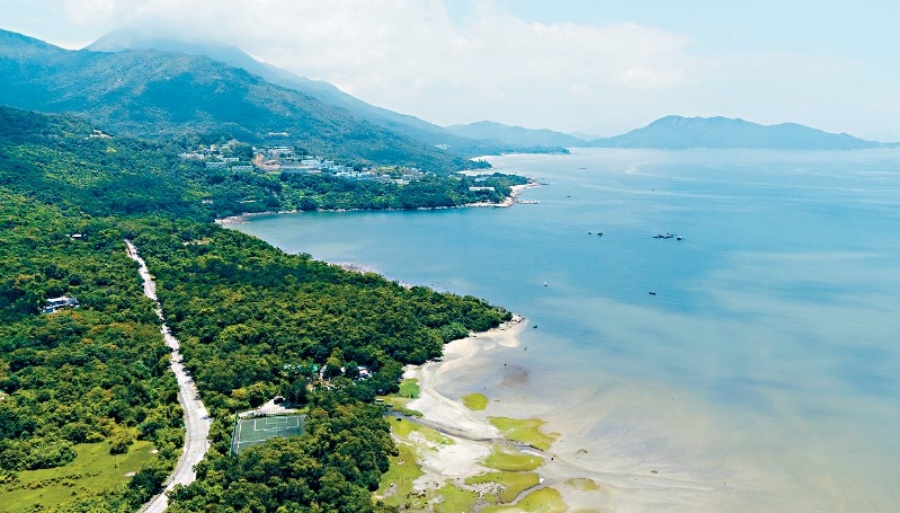
Authorities will review anchorages — including waters south of Cheung Chau — to allow green fuel bunkering, and will offer financial support to vessels calling at Hong Kong for green refuelling.
She noted that the International Maritime Organization aims for zero carbon in international shipping by 2050, but only about 1,000 of 100,000 ocean-going vessels can use green fuels now, leaving big potential for Hong Kong to develop green bunkering services. She added that the growing supply of green fuels in the mainland can support Hong Kong’s development as a green port.