






Read More











Kyle Kennedy, granddaughter of Robert F. Kennedy, dies at 42
22-10-2026 04:11 HKT

Late police constable Chu Chun-kwok to receive full honors funeral on Fri
22-10-2026 15:33 HKT


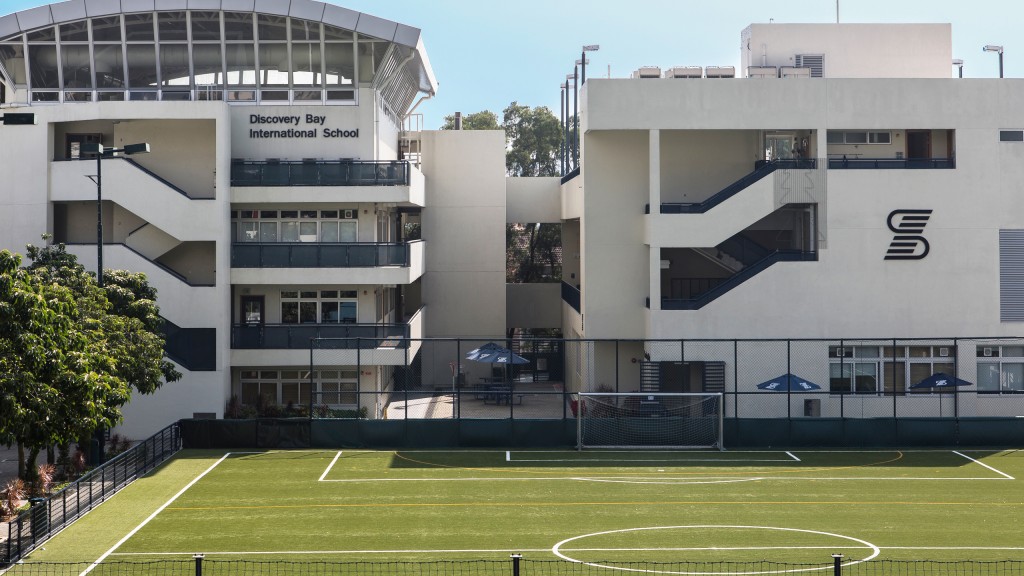
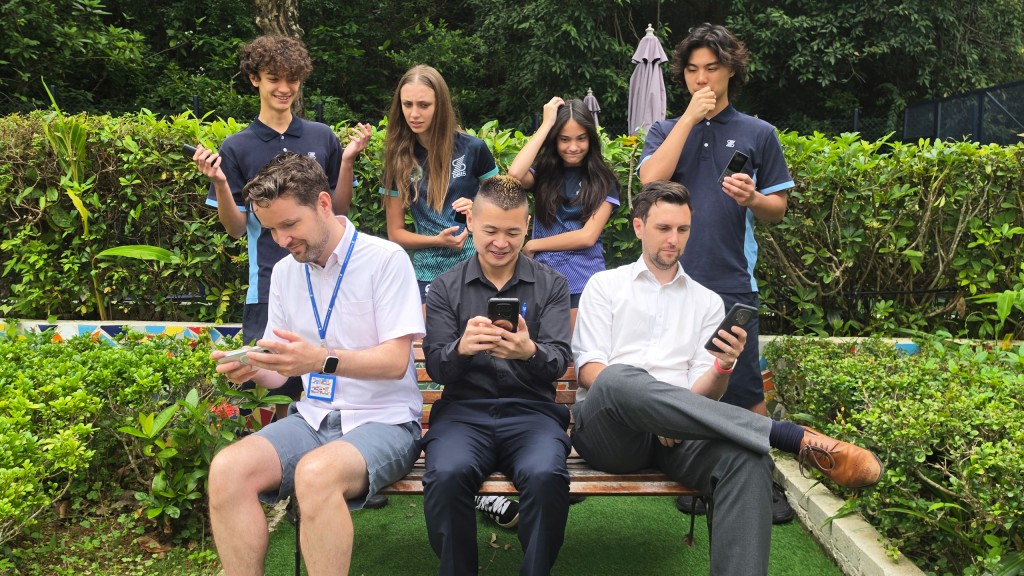
In a world where smartphones are glued to almost every teenager’s hand, we must ask: how do we open their eyes to an alternative? How do we prove that life exists beyond the constant urge to check for notifications? At Discovery Bay International School (DBIS), four secondary students decided to find out by doing the unthinkable: they ditched the devices and switched off.
Over a five-day period, each of the volunteers swapped their high-tech lifelines for basic ‘dumb phones’ to discover exactly what happens when the screen finally goes dark. Their findings were then captured and shared by the DBIS learning technologies team in the fascinating new documentary ‘Disconnected’.
The realisations were significant. One student recognised how strong his bedtime doomscrolling habits were, while another noticed an impulsive urge to check a phone that wasn’t there. The third student actually halved her study time through newfound focus, while the final student discovered the depth of authentic, face-to-face conversations.
Reflecting on the project, DBIS’s head of learning technologies, Nicolas Ng, noted that its true value lay in the students’ actual struggles and successes, rather than a theoretical classroom lecture.
“We wanted to take students with high daily screen time and completely remove the devices they’ve become so dependent on,” he explains. “Seeing them navigate those raw, unshielded moments, the initial anxiety, the boredom, and the eventual sense of clarity, tells a story that’s far more moving and memorable than any statistic could ever be.”
Head of wellbeing Jessica Hickling adds that the benefits of the detox will go far beyond the experiment itself – research from the University of Cologne suggests that just 72 hours without a smartphone can trigger a neurological ‘reset’, lowering stress hormones and recalibrating the brain’s reward system. By stepping back from the digital noise, the students weren’t just completing a challenge; they were reclaiming their mental space.
Of course, it would be practically impossible to navigate modern life and education without technology, but ‘Disconnected’ shows there are huge benefits to be gained by keeping our use of devices in check. It offers a raw look at what happens when you step away from the glow and explores the impact that has on our personal wellbeing. The students’ bravery invites us all to reconsider our own digital habits and the true cost of our screen time.