
Read More
Complaints against Hong Kong taxi services plummeted by nearly 30 percent in the final quarter of last year, although more than 90 percent of reported grievances still involve driver misconduct, according to new data from the Transport Advisory Committee’s Transport Complaints Unit (TCU).
ADVERTISEMENT
SCROLL TO CONTINUE WITH CONTENT
The TCU’s latest report reveals that the unit received a total of 11,601 complaints and suggestions between October and December, marking a slight 2 percent decline compared to the preceding quarter.
Of these, 10,120 cases were related specifically to public transport services, representing a 3.8 percent decrease from the 10,519 cases recorded previously.
While general public transport complaints were down, feedback regarding traffic conditions saw an upward trend, rising from 299 to 407 instances.
Conversely, reports concerning road maintenance saw a minor dip, falling from 57 to 48. During the period under review, authorities completed investigations into 14,186 cases, concluding that 11,443 of them—roughly 81 percent—were substantiated.
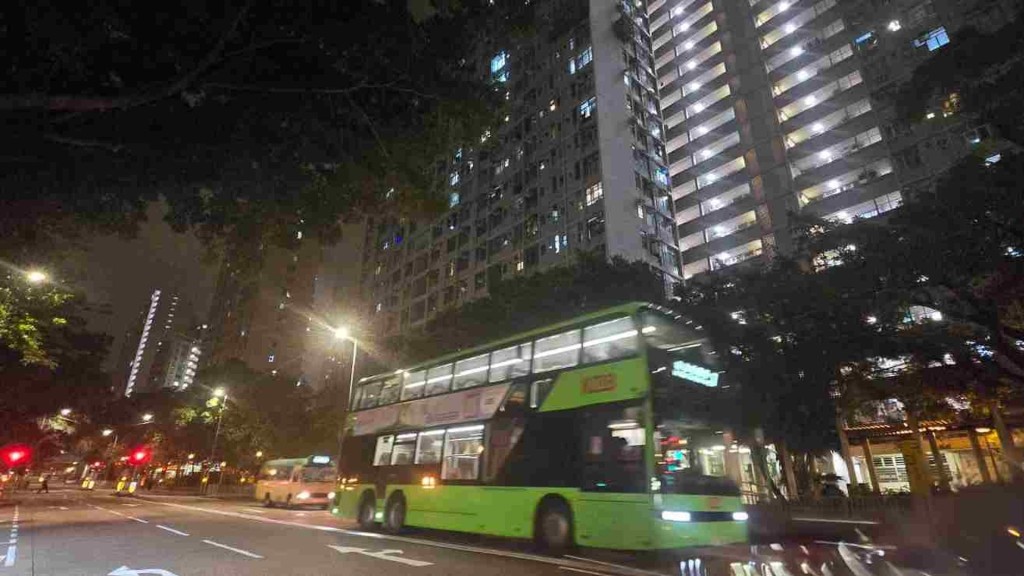
Franchised buses accounted for the highest volume of feedback with 4,406 reports, despite a 3.5 percent quarterly decrease. More than 80 percent of these cases involved concerns over service standards.
Meanwhile, public light buses experienced a 5 percent year-on-year increase in complaints, totaling 2,499 cases, with over 90 percent citing service-related issues.
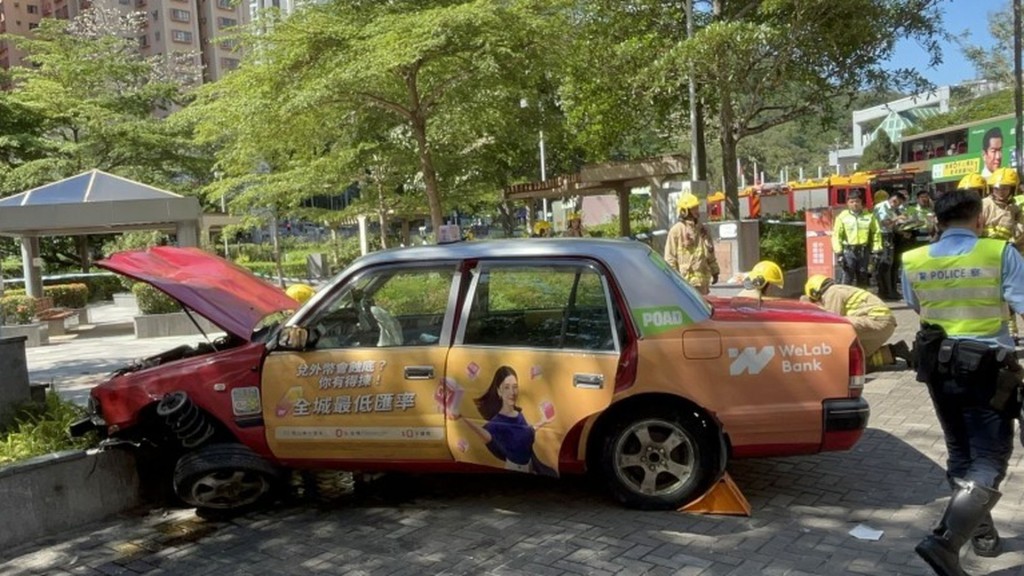
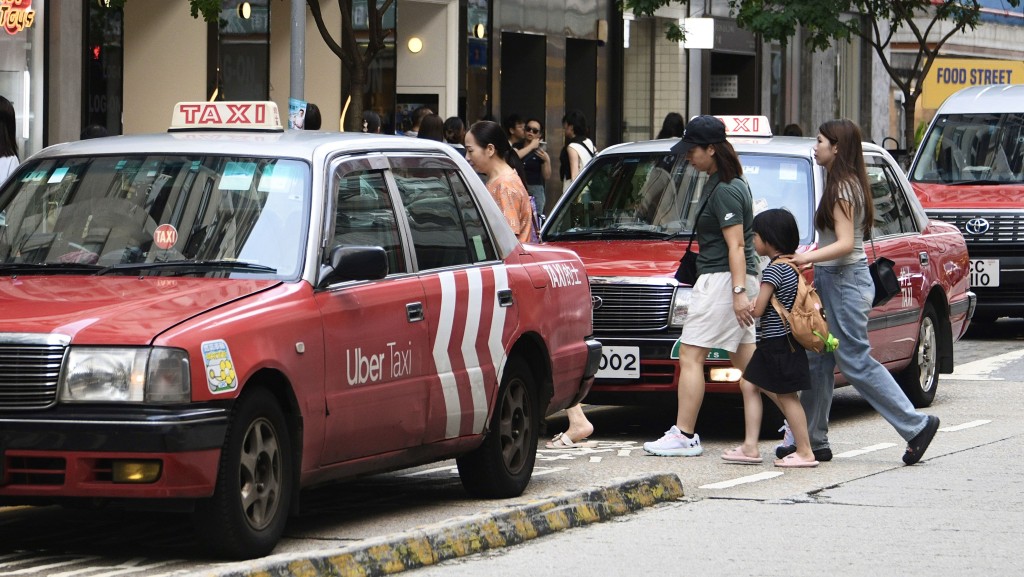
The taxi sector recorded 2,759 cases, a significant year-on-year drop of nearly 30 percent.
However, driver conduct and performance remained a major point of contention, making up 90 percent of the total reports. Specific grievances included improper driving (762 cases), taking unauthorized detours (471 cases), refusal to accept passengers (470 cases), rude or improper behavior (433 cases), and overcharging (312 cases).
The report also highlighted the positive impact of civic engagement, noting that 12 public suggestions aimed at enhancing transport services and traffic conditions were successfully adopted.
These improvements included the extension of service hours for certain bus routes, longer pedestrian crossing times at green lights, and adjustments to the volume of electronic audible signals used at traffic crossings.