Read More











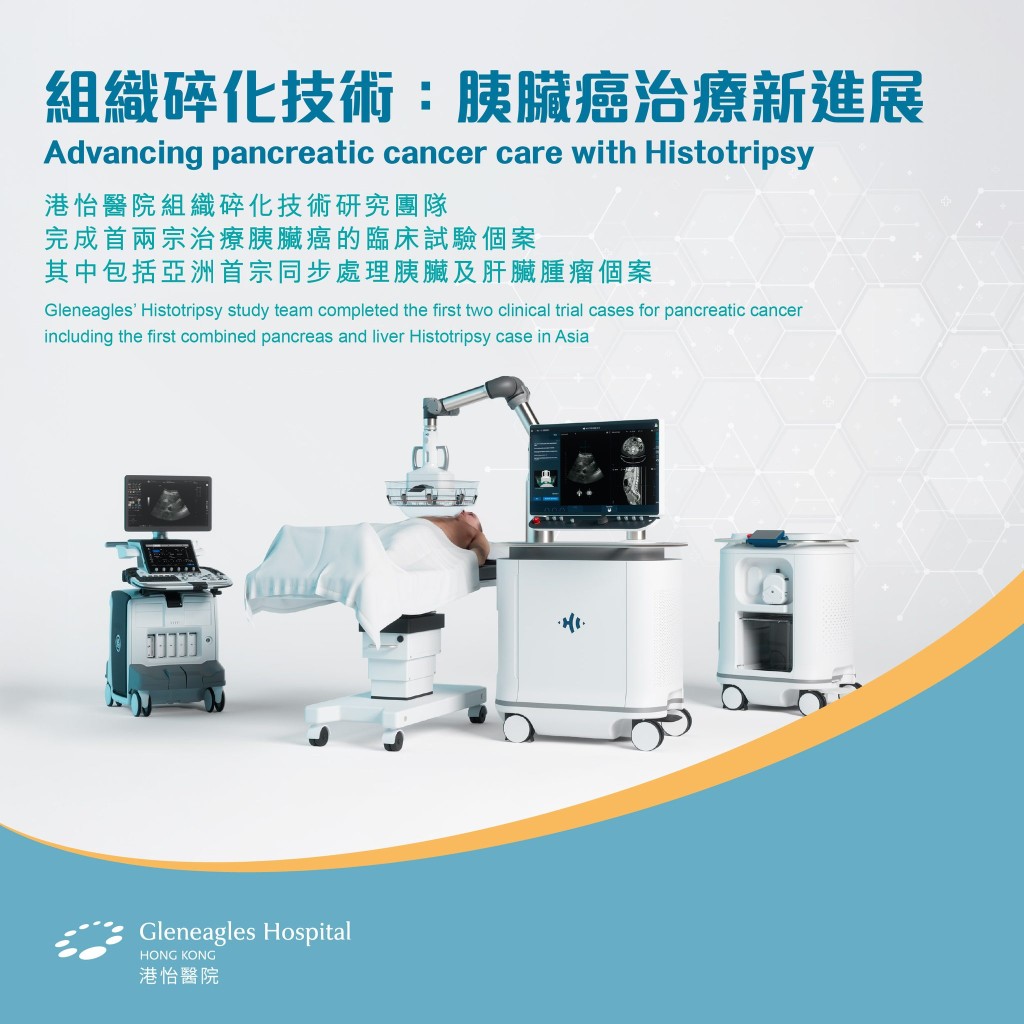
A pioneering medical team in Hong Kong has successfully completed the first two clinical trial cases using histotripsy to treat pancreatic cancer, offering new hope for patients with one of the most challenging forms of the disease. This marks a significant leap forward in adopting the non-invasive technology in Asia.
The study, led by Professor Albert Chan of HKU and Gleneagles Hospital and Dr. Vince Lau of Gleneagles, represents a major advance in oncology.
The first two procedures were performed on patients for whom conventional surgery was not a suitable option, demonstrating the potential of histotripsy as a new treatment pathway.
The first case involved a middle-aged patient with a large, 5 cm pancreatic tumor situated critically close to the bile duct and major blood vessels.
The procedure effectively targeted and downsized the tumor, leading to a clear reduction in size on post-treatment imaging and an improvement in the patient's pain and pressure symptoms.
Notably, the patient's serum tumor marker (CA 19.9) dropped by more than threefold just two weeks after the treatment.
In the second case, a patient presented with a 2.5 cm tumor in the body of the pancreas that had already spread with multiple metastases to the liver.
In a first-of-its-kind procedure in Asia, the team used histotripsy to treat both the primary pancreatic tumor and the liver metastases within the same session. Post-operative imaging showed a good response in all treated lesions.
The research team expressed that this preliminary clinical experience suggests histotripsy could offer a vital new option for select patients who are currently ineligible for traditional surgical interventions.
This groundbreaking clinical study was made possible through the visionary support and generosity of the Li Ka Shing Foundation, which fully funded the patient slots for the trial.
The study leaders expressed their heartfelt gratitude, stating that the foundation's trust and commitment are fueling their drive for medical innovation.
While celebrating the strong spirit of collaboration that brought these initial successes, the team emphasized that this is just the beginning. They remain dedicated to pushing the boundaries of medical science to provide better and safer care for cancer patients.
The clinical trial is ongoing to formally evaluate its long-term safety and effectiveness since histotripsy for pancreatic cancer is still an investigatory procedure.