Read More


Morning Recap - October 27, 2026
6 hours ago


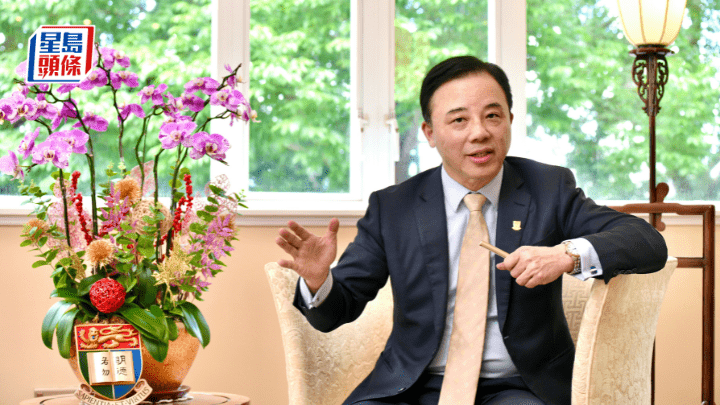
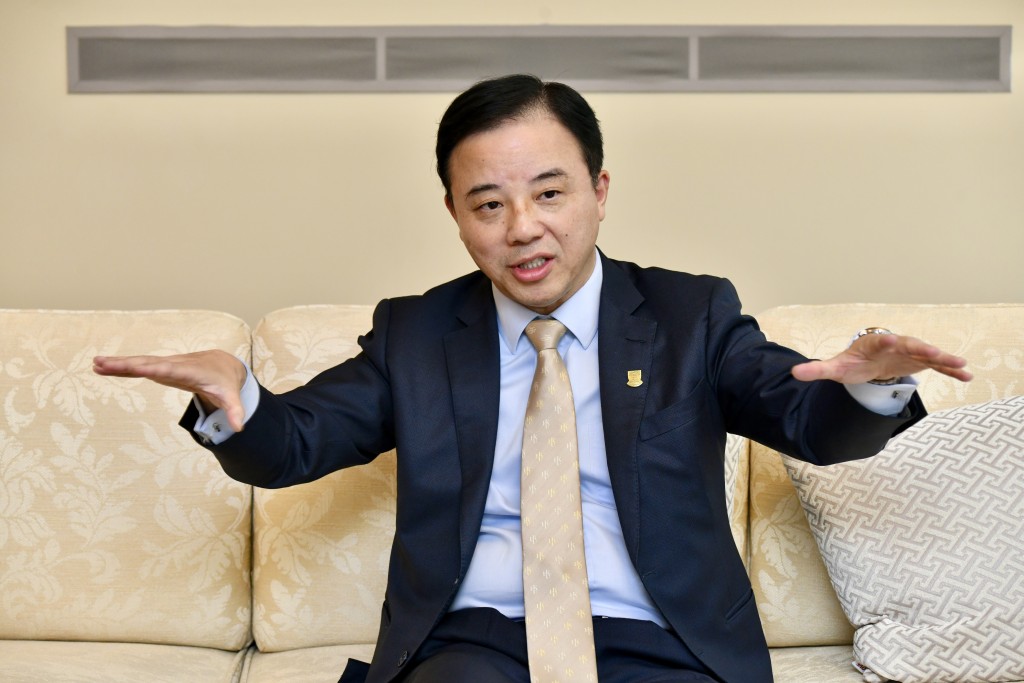
The University of Hong Kong (HKU) will ramp up scrutiny of applicant credentials after a series of fake qualification scandals, with President Zhang Xiang denouncing non-local education intermediaries as the "main culprits" behind fraudulent admissions.
In an interview with Sing Tao Daily, The Standard’s sister publication, Zhang revealed that HKU has held multiple meetings to address the growing problem of falsified academic records.
He said the university will increase staffing for document verification, but acknowledges challenges in curbing the sophisticated schemes of offshore agencies.
"These intermediaries keep changing their names - they might operate under a different alias next year," Zhang said, emphasizing that many operate outside Hong Kong. "This makes enforcement difficult."
Zhang stressed that degree fraud is not unique to HKU or even Hong Kong, calling it a longstanding global issue. He also noted that diploma mills and fake credentials have existed for decades or even centuries.
To combat the issue, HKU requires all applicants to take legal responsibility for submitted documents. Those later found to have used forged materials face expulsion and potential criminal liability, even if already enrolled.
When asked whether mandatory interviews for master's programs could help detect fraud, Zhang expressed skepticism. "Some applicants perform very well in interviews, making it hard to spot discrepancies," he said.
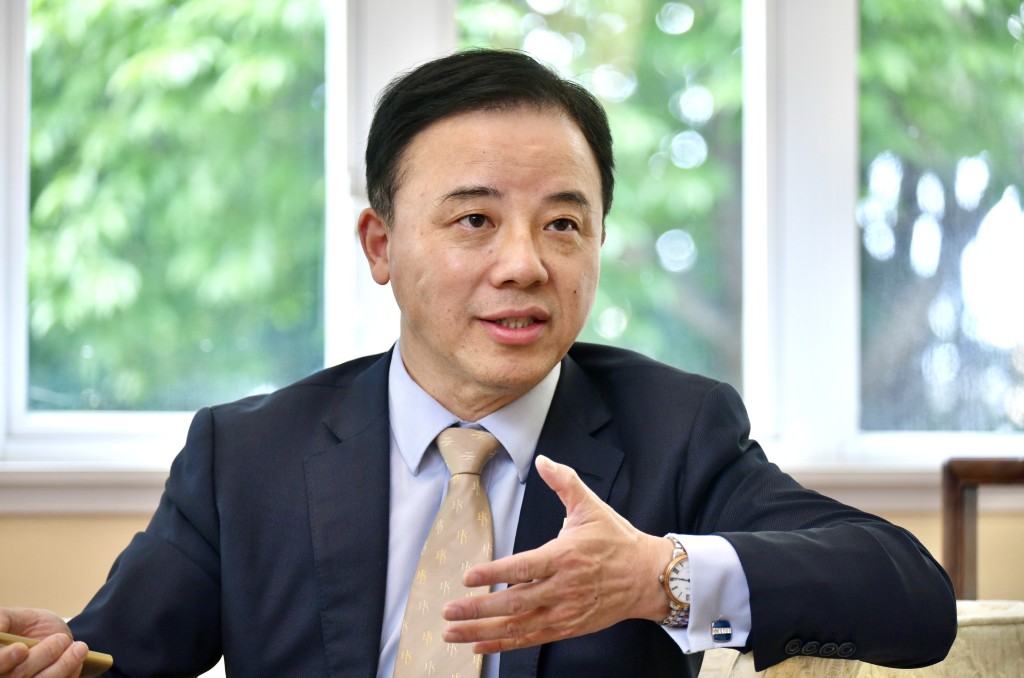
The president highlighted that mainland China’s centralized verification system has reduced fraud there, suggesting most fake degrees involve overseas-educated ethnic Chinese students. Some, he added, may be unaware that intermediaries altered their transcripts.
HKU and Hong Kong’s seven other publicly funded universities now share intelligence on fraudulent agencies. However, Zhang admitted the cross-border nature of the problem complicates enforcement.