Read More

Taxi e-payment ‘3pc fee’ notices spark debate on rollout day
02-04-2026 12:42 HKT
HK braces for natural gas shortage
02-04-2026 08:00 HKT
Mainland experts shared the latest data on mainland-made Covid-19 vaccines and experience in administering them in a meeting with a delegation led by the Chief Secretary for Administration, Matthew Cheung Kin-chung, yesterday.
In the meeting were Secretary for Food and Health Sophia Chan Siu-chee; Secretary for the Civil Service Patrick Nip Tak-kuen; Secretary for Innovation and Technology Alfred Sit Wing-hang; and Secretary for Constitutional and Mainland Affairs Erick Tsang Kwok-wai.
The delegation met National Health Commission deputy head Lei Haichao and mainland officials to discuss the SAR's anti-epidemic strategies in a one-day trip to Shenzhen.
They were joined by government advisers Gabriel Leung, Yuen Kwok-yung and David Hui Shu-cheong. A government spokesman said mainland experts introduced the latest data on the development and use of mainland vaccines.
They shared views on the assessment of the development of the pandemic around the world and on the mainland, as well as the strategies for fighting the epidemic.
In addition, experts from both sides exchanged views on various prevention and control measures, including preventing the importation of cases, virus testing, and the use and management of health codes.
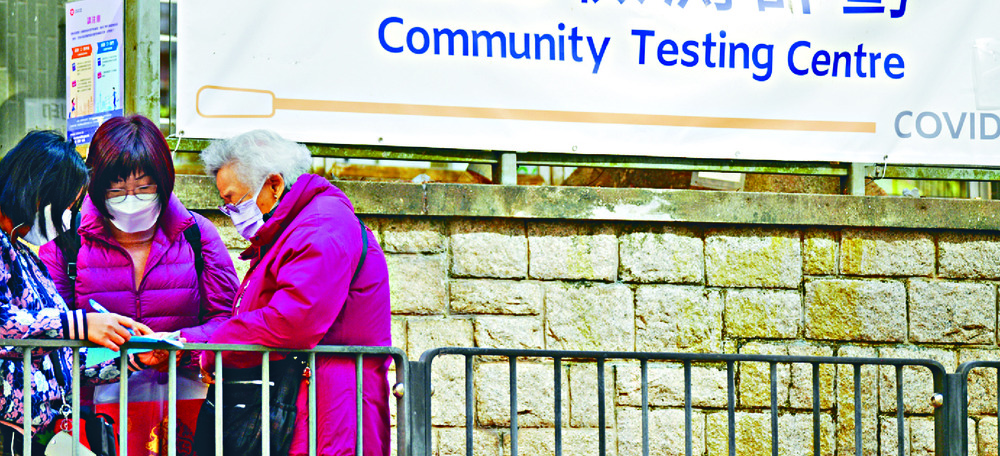
Executive Council member Regina Ip Lau Suk-yee from the New People's Party believed the meeting might have covered the possibility of launching a new round of territory-wide virus tests in Hong Kong.
She expected officials might have also talked about arrangements if a stay-home order is to be imposed alongside the mass testing program, including the feasibility of imposing a lockdown district by district.
"Even though the government has done mandatory tests targeting certain buildings, the epidemic did not seem to come under control," she said.
"A woman awaiting quarantine even died at home and results of our virus tests are not out quick enough. All of these show the SAR government's arrangements are not as effective and the central government is worried."
Hong Kong did its first round of mass testing between September 1 and 14, but only 1.78 million people took part in the voluntary program, which detected 42 cases and came with a bill at HK$530 million.