Read More





It was revealed that only two electric minibusses have received funding to test the performance of the vehicle and the quick charging facilities after the government allocated HK$80 million for the pilot scheme in 2020.
The Pilot Scheme for Electric Public Light Buses aimed to test 40 vehicles by 2023, but the project has fallen short of its initial goals.
It was also learned that the two e-minibusses had only started the trial phase last month.
Minibus operators who applied for the scheme said the electric minibusses operate smoothly. However, inadequate charging facilities at inconvenient locations hinder their will to switch to electric vehicles.
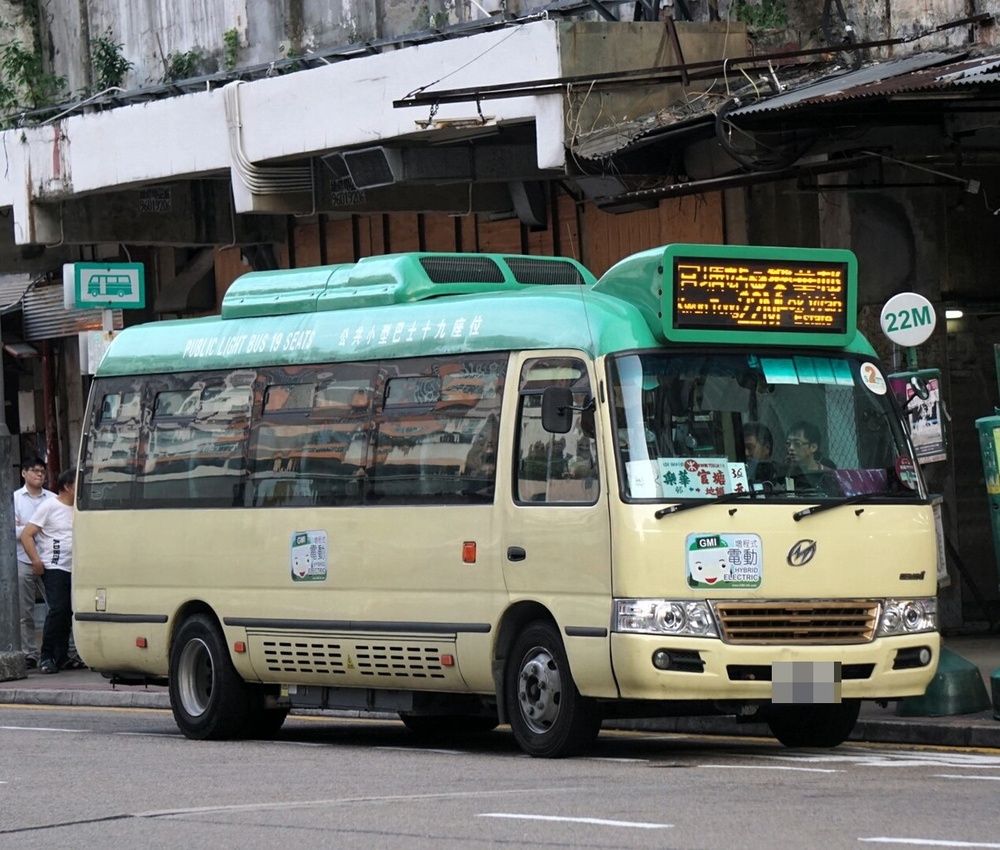
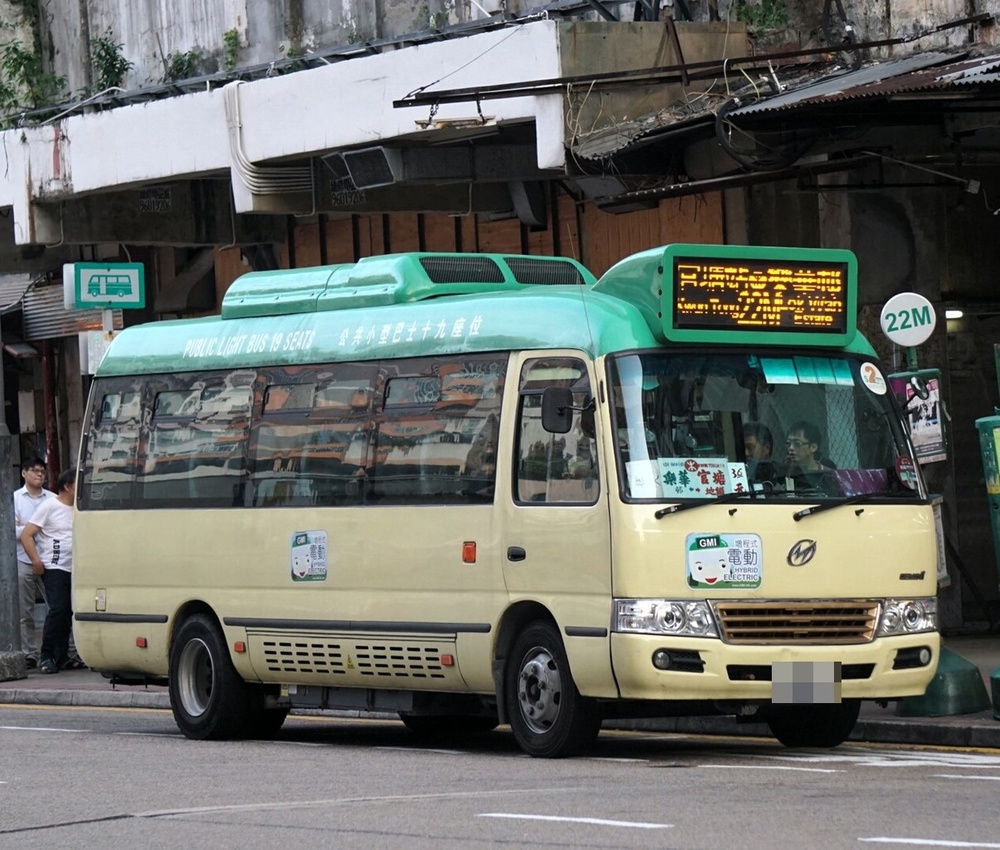
Lok Wah Public Light Bus Limited, a subsidized minibus operator, purchased an electric minibus through the pilot program at a discounted price of around HK$300,000.
The minibus, originally costing over HK$1.3 million, serves the short-haul 22M route between Kwun Tong Yue Man Square and Lok Wah Estate. It can travel up to 60 to 70 kilometers, or approximately 2 hours, after a full charge.
The operator said the minibus has to travel to another location at an intersection to charge, which is inconvenient. It suggested installing charging facilities at minibus stations to facilitate charging during passenger drop-offs.
Yeung Wui-wing, chairman of the operator, said the daily cost of charging the electric minibus does not exceed HK$200 compared to over HK$1,000 for fueling a traditional minibus.
He criticized the slow pace of Hong Kong's transition to electric vehicles and urged authorities to construct at least ten electric minibus charging stations.
He added that the company would replace all 19 minibusses in their fleet with electric vehicles if sufficient charging facilities were available.
Some industry members said the cost of electric minibusses is too high.
The chairman of G.M.B. Maxicab Operators General Association Limited So Sai-hung pointed out that the subsidized price of electric minibuses remains high, reaching HK$300,000, which is equivalent to half the price of a new diesel minibus.
He added that each minibus operator is only eligible for a subsidy to purchase one electric minibus, making it difficult for them to afford a fleet transition to electric vehicles.
He suggested the government considers subsidizing trials of hydrogen-powered minibusses, which he believes would be more suitable for the minibus industry and city road conditions.
Lawmaker Chan Siu-hung said the results of the pilot scheme were disappointing and highlighted that both minibus operators purchased the same, cheapest electric minibus model. That renders the trial results and fails to achieve the government's goal of testing different models' performance and mileage.
He suggested that the government fully subsidizes the purchase of different electric minibus models and distribute them to interested operators to enhance the program's reference value.
Chan also emphasized the need for additional charging stations along the routes to encourage minibus operators to switch to electric vehicles.