Disu Dang
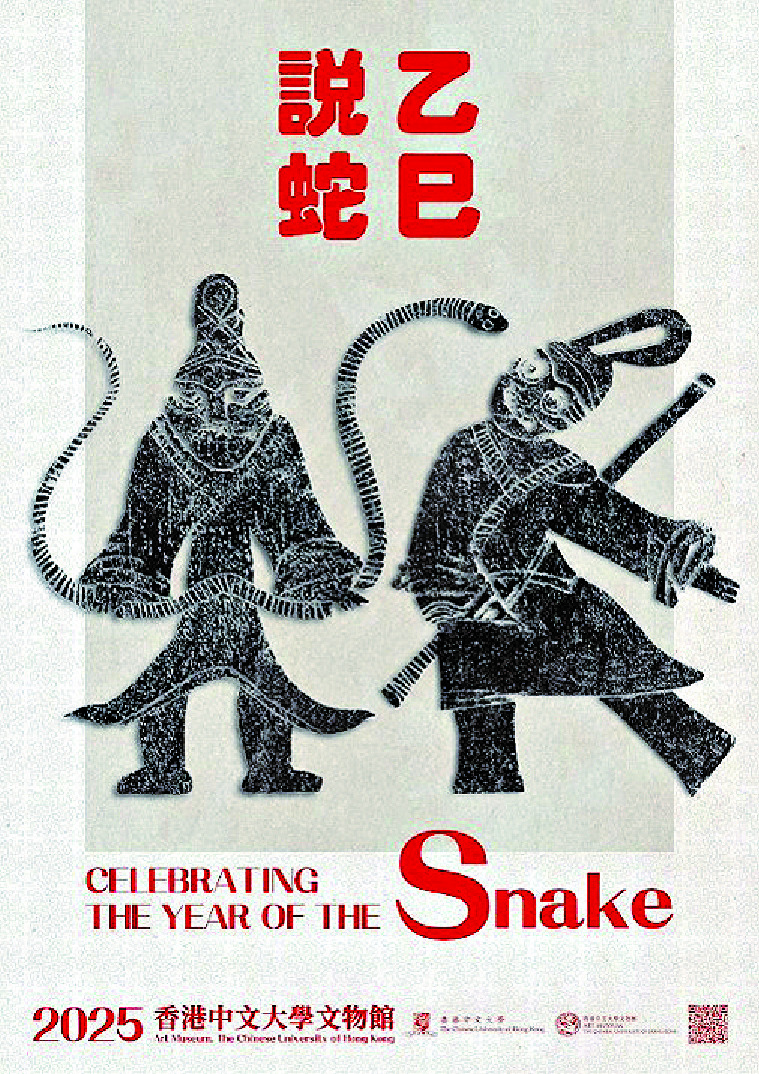
Snakes may not be the most beloved creatures in the animal kingdom, but their presence in Chinese history and art is rich and complex. And to shed light on this often-misunderstood creature, the Art Museum of Chinese University of Hong Kong is putting up an exhibition called Celebrating the Year of the Snake.
Featuring 24 sets of snake-related artifacts from the museum's collection, the exhibition is part of its annual zodiac-themed series, exploring how this mysterious and divine creature has been depicted in Chinese culture for centuries.
While many fear snakes for their venom and eerie, slithering movements, they once held a sacred place in early Chinese mythology and religion. In ancient times, snakes were symbols of power, transformation and protection, and serpent-like deities frequently appeared in religious art.
One example presented in the exhibition is the Rubbing of the Right Wall of Wu Liang's Shrine, a Han Dynasty artifact that has carvings depicting Fuxi and Nuwa - the mythical ancestors of humankind - as having human heads and serpent bodies.
"This shows that snakes played an important role in religious beliefs at the time, when people envisioned deities in serpent form," said Tong Yu, curator of the exhibition and an associate research fellow at CUHK Art Museum. Another artifact, Bronze Seal with Snake-wearing and Snake-stomping Shaman Design, highlights the association between snakes and divine power.
The seal shows figures wearing snake-shaped earrings, a design that, according to Tong, signified supernatural status. "Figures with these S-shaped earrings were often believed to have magical or divine abilities," he said.
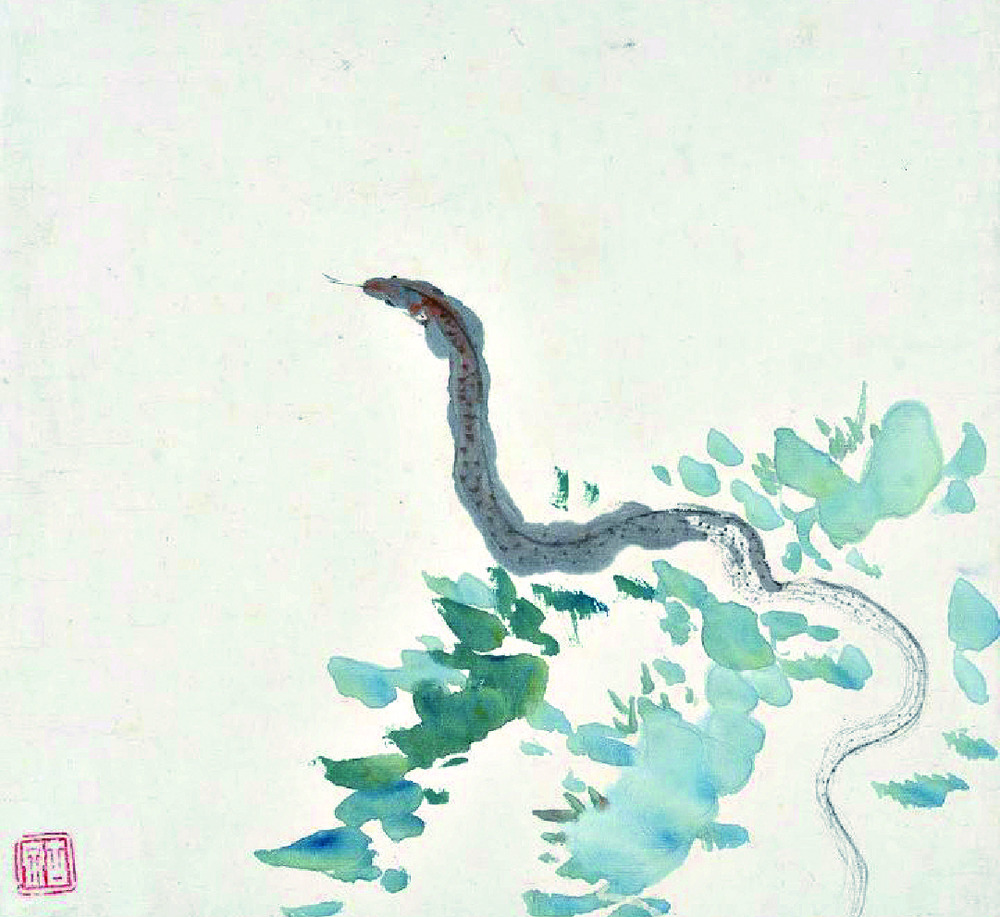
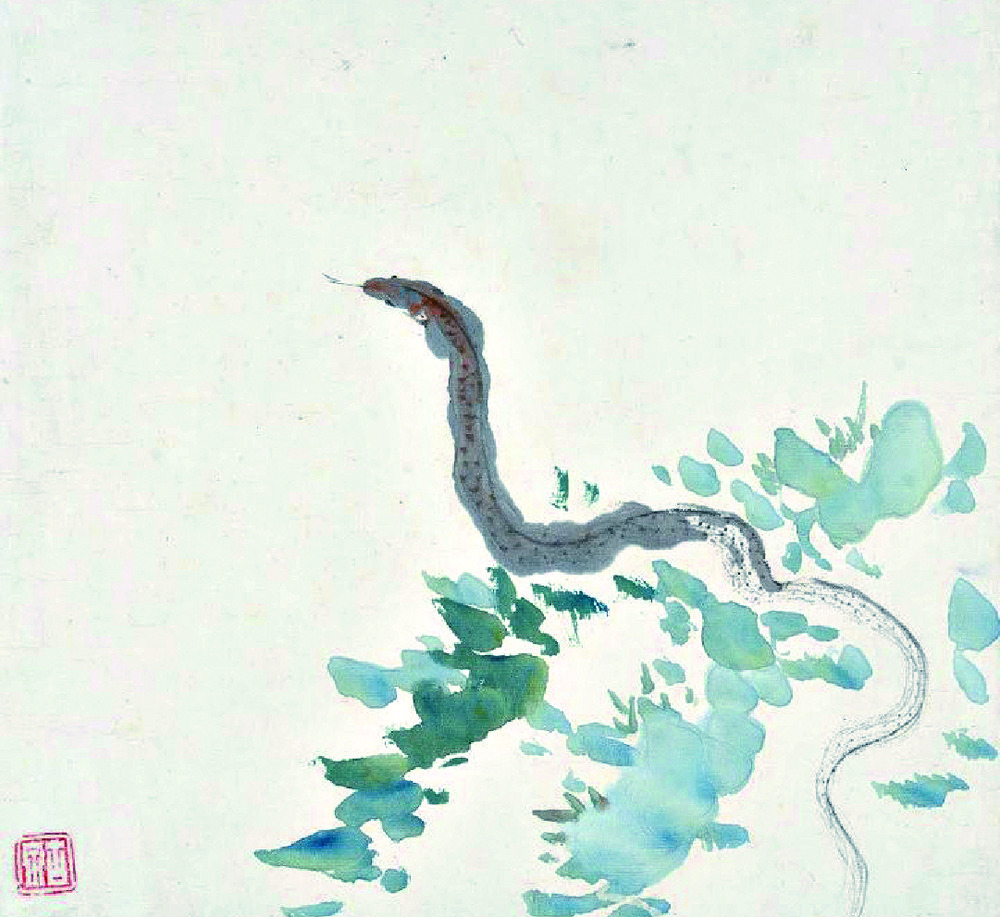
Despite their revered status in early history, the way people saw snakes shifted over time. Their limbless movement, ability to shed skin, and predatory nature made them symbols of mystery, fear, and danger. By the Qing Dynasty, artists often depicted them as aggressive and menacing.
An example is A Leaf from the Album Dragon-Boat Festival by Qing dynasty painter Xu Gu, who is known for his characteristic depictions of flamboyant and twisting red serpents. Another rare painting in the exhibition, a scroll by Wang Su, draws on the supernatural story of Tang dynasty poet Li Shen, who, while asleep, was seen transforming into a snake. Tong said: "Compared to other zodiac animals, there are fewer paintings of snakes. But we're honored to showcase these rare pieces that capture different aspects of the snake's cultural significance."
Celebrating the Year of the Snake is on show at Gallery II, CUHK Art Museum, until June 21.