One of the most unexpected developments last Monday to take the world by surprise was the decision to reinstate Jensen Huang as chief executive of US chipmaker Nvidia.
The company’s board had initially indicated that it would not allow Huang to return to the position. However, following intervention by US President Donald Trump, Huang suddenly made his comeback as CEO. The announcement sent Nvidia shares soaring by more than 30 percent in a single trading session, pushing the stock back above the US$160 (HK$1,248) level.
However, as the market began to digest the news, Nvidia’s share price rally appeared to lose momentum. The primary reason is that while Huang’s swift return to the CEO position may have restored a degree of confidence, it does not mean that all of Nvidia’s problems have suddenly been resolved.
Indeed, the issues triggered by Huang have fundamentally changed the company’s position, making it increasingly unlikely that he will once again be able to exercise the same degree of influence over the semiconductor industry as he once did.
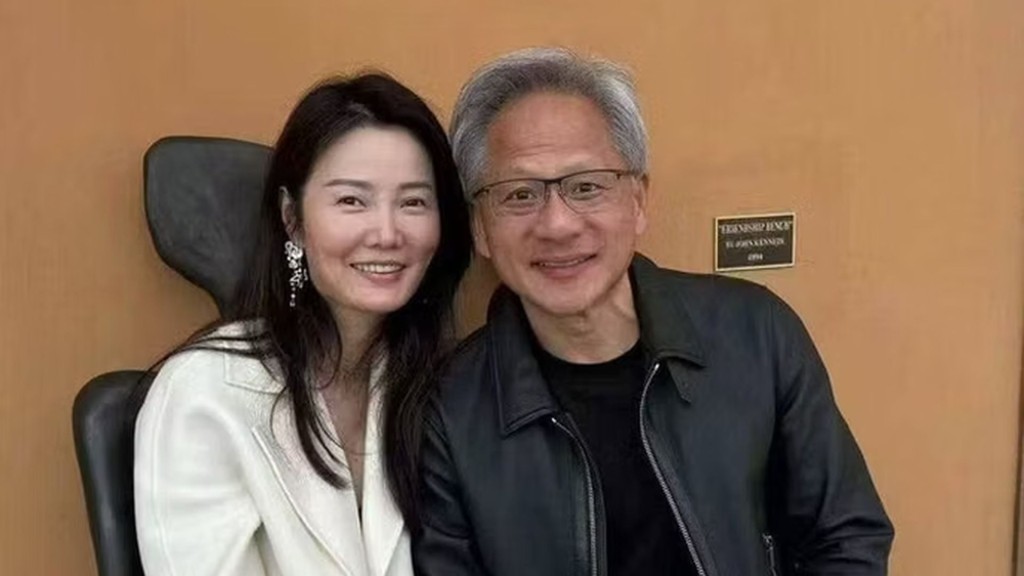
First, following the revelation of Huang’s alleged extramarital affair with Chinese businesswoman Huang Le, the latter has remained under suspicion of having links to Chinese intelligence.
Although the Trump administration has recently played down these concerns, another issue remains difficult to dismiss: Huang Le’s alleged connections with Singapore-based cloud company Megaspeed. Megaspeed has also come under suspicion of helping Chinese companies obtain Nvidia chips that are subject to US export restrictions and diverting them to China.
Consequently, even though Trump and US vice president JD Vance have both stated that there is no evidence that Jensen Huang has betrayed the United States, one issue remains unanswered by the Trump administration: Nvidia’s sales channels have failed to prevent US-restricted chips from reaching China.
Furthermore, following the emergence of the controversy surrounding Jensen Huang’s alleged affair, the US Department of Commerce’s Bureau of Industry and Security announced tighter restrictions on China. These measures include prohibiting any country or jurisdiction from providing China with access to computing power generated by the most advanced AI chips through remote access to advanced semiconductors.
This development undermines the long-standing market narrative that Jensen Huang’s personal charisma has been the primary driving force behind Nvidia’s sustained sales growth. That argument may now belong to the past.
The BIS’s decision to tighten its restrictions reflects its concerns over problems within Nvidia’s sales channels. It also raises an uncomfortable question: was Jensen Huang’s celebrated ability to drive sales, at least in part, attributable to his willingness to operate in ways that did not fully comply with US regulatory requirements?
As a result, Nvidia’s sales growth is unlikely to remain as strong as before simply because Jensen Huang has returned. The new regulations have significantly restricted Nvidia’s ability to sell its chips as freely as it once did. At the same time, several US rating agencies have raised concerns about Nvidia’s corporate structure in the wake of the Jensen Huang controversy, with some reportedly considering, or having already implemented, rating downgrades.
Investors should therefore avoid placing excessive expectations on Jensen Huang’s ability to restore or enhance Nvidia’s valuation. Circumstances have changed considerably, and the market dynamics that once worked in his favor may no longer apply. In fact, rather than adding value to Nvidia, Jensen Huang’s return could now have the opposite effect, potentially becoming a source of further reputational and valuation pressure on the company.
Andrew Wong is a veteran independent commentator