
Read More
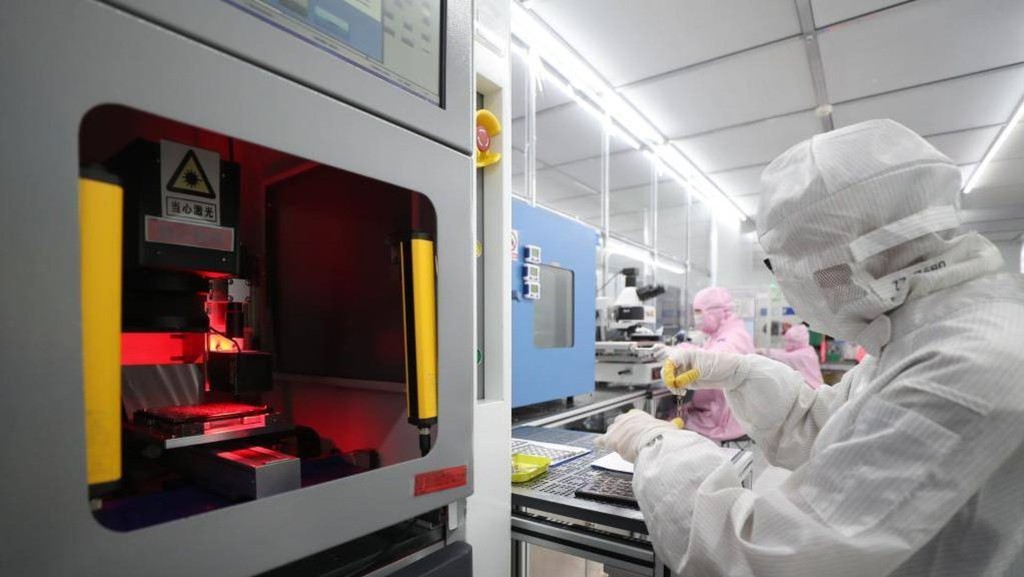
The US Federal Communications Commission has voted unanimously to bar all testing laboratories located in Hong Kong and the mainland from certifying electronic equipment for the American market. The move, aimed at bolstering national security, threatens to upend the global electronics supply chain and significantly increase costs for manufacturers.
ADVERTISEMENT
SCROLL TO CONTINUE WITH CONTENT
Under the new proposal, the FCC will cease to recognize any test labs or certification bodies in countries that do not have a mutual recognition agreement with the United States. As China and Hong Kong lack such a pact, approximately 126 labs – which currently handle 75 per cent of all FCC-certified devices globally – will be phased out of the US equipment authorization process.
FCC chairman Brendan Carr said the measure is essential to “secure US networks from bad actors,” suggesting that labs influenced by “foreign adversaries” could compromise devices or leak sensitive technical data. The ban extends previous restrictions that only targeted 15 state-affiliated labs, now encompassing all facilities regardless of ownership, including those operated by Western firms within the region.
The industry impact is expected to be immediate and costly. Currently, testing a device in China costs between US$400 (HK$3,120) and US$1,300. Relocating that process to the US could see fees soar to between US$3,000 and US$4,000, while also creating massive bottlenecks as alternative labs in Europe and Taiwan struggle to absorb the displaced volume.
Beijing has reacted sharply to the news. The Chinese Ministry of Commerce warned that the restrictions “seriously undermine the international economic and trade order” and vowed to take “necessary measures” to protect the rights of Chinese enterprises.
The ruling is currently subject to a 60- to 90-day public comment period. If finalized, the FCC plans a two-year grace period for manufacturers to shift their testing operations to approved jurisdictions.
Francis Fong is a Hong Kong IT and Telecom expert who frequently represents the industry in public discussions about innovation, digital transformation, and technology policies