Read More




Trump's call for Zelensky's departure makes good sense | Grenville Cross
17-10-2026 19:13 HKT




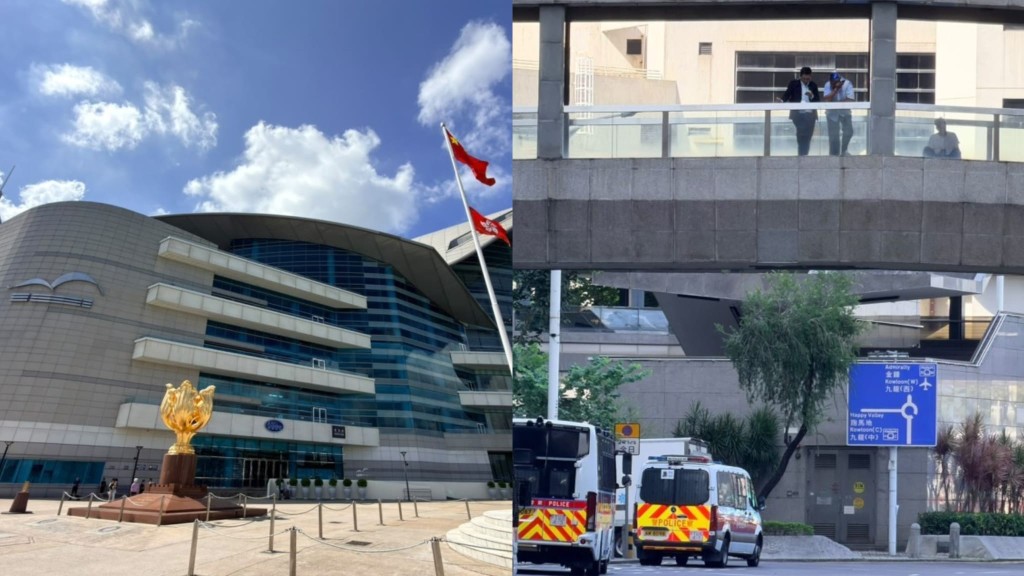
Police and firefighters tighten land, sea, and air security for APEC summit
20-10-2026 11:52 HKT


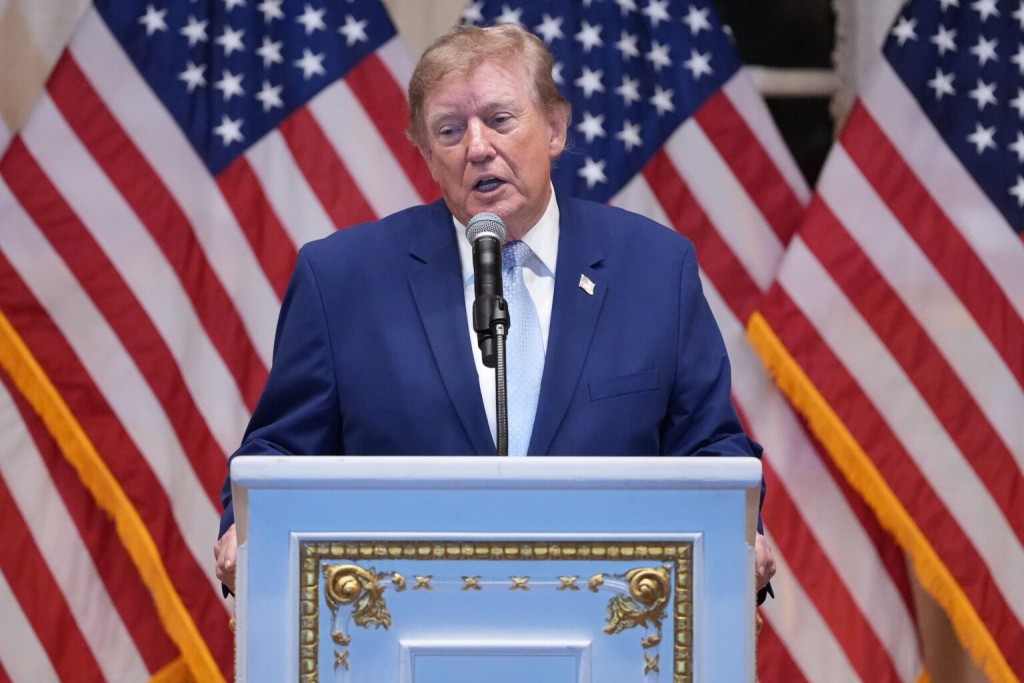
US President Donald Trump’s visit to China raises the question: what exactly did the United States and China achieve through these talks? The answer appears to be very little – and perhaps with an undertone of concealed strategic rivalry beneath the diplomatic smiles.
First, Trump’s communication style has always involved a degree of exaggeration, which is also part of his negotiation strategy. During his visit, he claimed that China was willing to purchase 200 Boeing aircraft, import US crude oil, reach consensus on agricultural trade issues, and that the United States would approve Nvidia’s H200 chips for sale to China. However, these were largely Trump’s unilateral statements.
Even though Boeing acknowledged receiving preliminary commitments from China, this does not mean that an order for 200 aircraft will ultimately materialize. Trump further suggested that the final scale of the order could even reach 750 aircraft. Yet China has previously suspended acceptance of Boeing aircraft during periods of heightened US-China trade tensions. Therefore, even if an agreement is eventually signed between China and Boeing, there is still no guarantee that these aircraft orders will actually be fulfilled.
As for the US decision to allow sales of Nvidia’s H200 chips to China, reports indicate that China has not finalized any orders with Nvidia due to multiple factors. This reflects the continued deep divisions between the United States and China over AI semiconductor technology. In particular, the H200 chip is already based on technology from two years ago, making it far less attractive to China. Nvidia chief executive Jensen Huang may have believed he could still catch the “last train” into the Chinese market, but ultimately came away empty-handed – an entirely unsurprising outcome under the circumstances.
Moreover, on critical geopolitical issues such as Iran and the Taiwan Strait, the United States and China failed to reach any meaningful consensus. Both sides appeared to maintain their own separate narratives, further highlighting the substantial differences that remain between them. This also explains why oil prices rose rather than fell following Trump’s visit to China, as markets clearly understand that Middle Eastern tensions cannot simply be resolved through diplomatic optics surrounding the trip.
Trump’s remarks regarding Taiwan are particularly concerning. In an interview with Fox News, he emphasized two notable points. First, he stated: “Think of it, it’s 59 miles away. 59 miles. We’re 9,500 miles away.” This reflects the notion that distant powers may struggle to intervene effectively in a regional conflict. Second, he remarked: “I don’t think they’ll do anything when I’m here and I’m not here, I think they might.” This suggests Trump is concerned that military conflict in the Taiwan Strait could emerge after he leaves office in 2029.
Therefore, the sharp decline in global stock markets following Trump’s visit to China was not without reason. Rather than signaling progress in US-China relations, the visit arguably demonstrated that bilateral tensions remain unresolved while the broader international landscape has become even more complex.
Andrew Wong is a veteran independent commentator