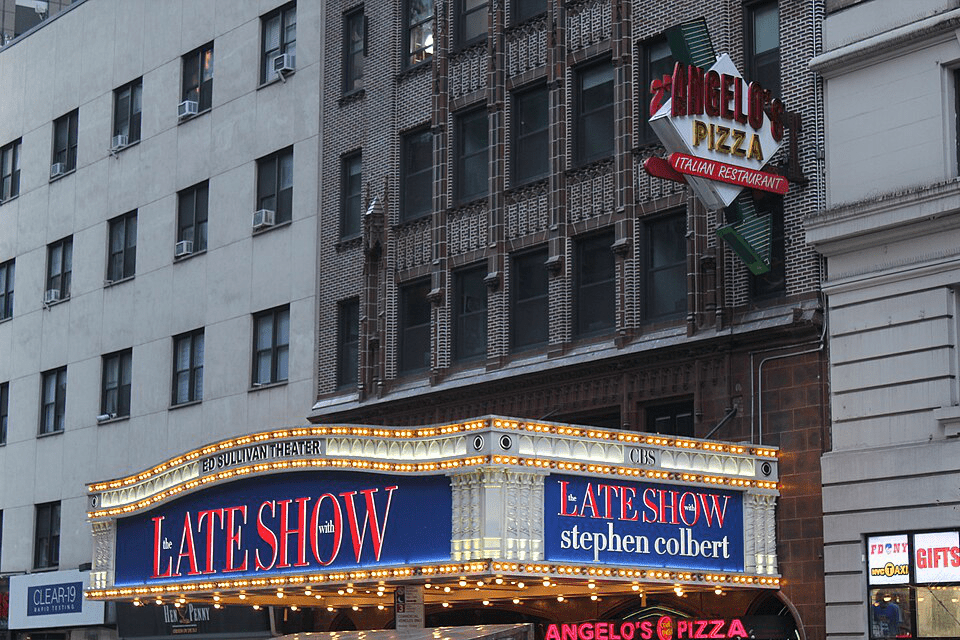
When Stephen Colbert signs off from the Ed Sullivan Theater on Thursday, May 21, he will not simply be ending his own eleven-year run. He will be switching off the lights on a 33-year-old institution — and, many fear, on an entire genre.
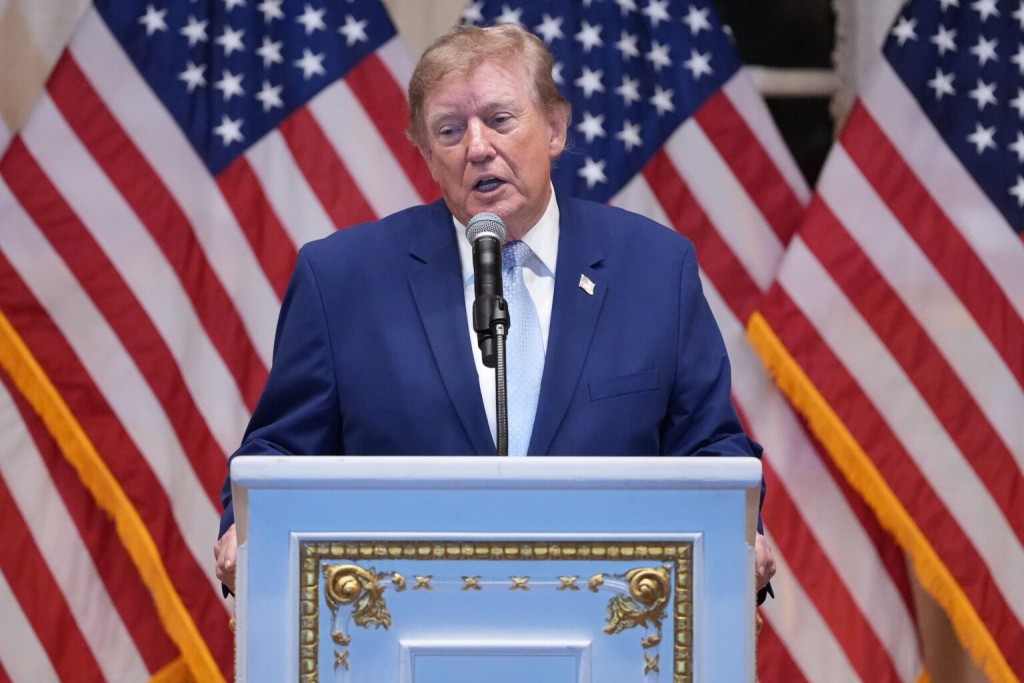
CBS announced last July that it would retire the Late Show franchise outright rather than find a replacement host, calling the decision “purely financial.” Few believe that. The cancellation came weeks after Colbert had called Paramount’s US$16 million legal settlement with President Donald Trump a “big fat bribe,” in reference to Paramount’s pending merger with Skydance Media, which required FCC sign-off. For media observers, the sequence raised an uncomfortable question: if a network must secure government approval to complete a multibillion-dollar deal, how independent can its programming truly be?
The pattern is hard to ignore. In September 2025, Jimmy Kimmel’s show on ABC was suspended after Carr threatened consequences over Kimmel’s monologue remarks. Trump celebrated the suspension on Truth Social and called on NBC to fire Tonight Show host Jimmy Fallon and Late Night host Seth Meyers, a post the FCC chair himself reposted, raising First Amendment alarm bells across the US media landscape.
Kimmel’s show was eventually reinstated after widespread backlash, but the chilling effect lingers. Even Fallon, long regarded as the most politically moderate late-night host, the one who famously ruffled Trump's hair during the 2016 campaign, has found himself a named target. John Oliver’s Last Week Tonight and Jon Stewart’s The Daily Show operate with more editorial independence than their broadcast counterparts, but neither is immune: both parent companies are navigating their own merger and regulatory processes requiring FCC approval. The dynamic is structural: in an era of media consolidation, nearly every major entertainment company must go to the government with its hat in hand. That dependency shapes programming decisions quietly, in boardrooms, long before any host delivers a monologue.
The broader landscape tells its own story: these shows are not being replaced. The audience for traditional late night has been fragmenting for years, as streaming, social media and shorter attention spans erode the appointment-television model that sustained the genre for decades. Advertisers have followed. The format that once served as America’s nightly pressure valve is contracting not only because of political pressure, but because the economics no longer work. CBS’s replacement for Colbert is not another host; it is Comics Unleashed, a low-budget panel comedy bought as a time-fill from Byron Allen’s media group. The slot is being surrendered, not reinvested.
For audiences in Hong Kong and across Asia who have watched American late night as a barometer of US political culture, the final week’s guest list reads like a farewell: Jon Stewart, Bruce Springsteen, Steven Spielberg. When Fallon, Kimmel, Meyers and Oliver all appeared together on the same stage on May 11, it felt less like a celebration than a closing ceremony.
Whether the remaining shows can survive the financial, regulatory and political pressure is the question the industry cannot yet answer. What is already clear is that when Colbert closes his monologue on May 21, something larger than one show will go dark.
Isaac Teng is a London-based commentator on politics and culture.
Email : isaacteng@ireducation.org