Read More
Diplomats returning to Beijing from overseas postings don't usually receive special attention at the ministry of foreign affairs, a vast bureaucracy.
ADVERTISEMENT
SCROLL TO CONTINUE WITH CONTENT
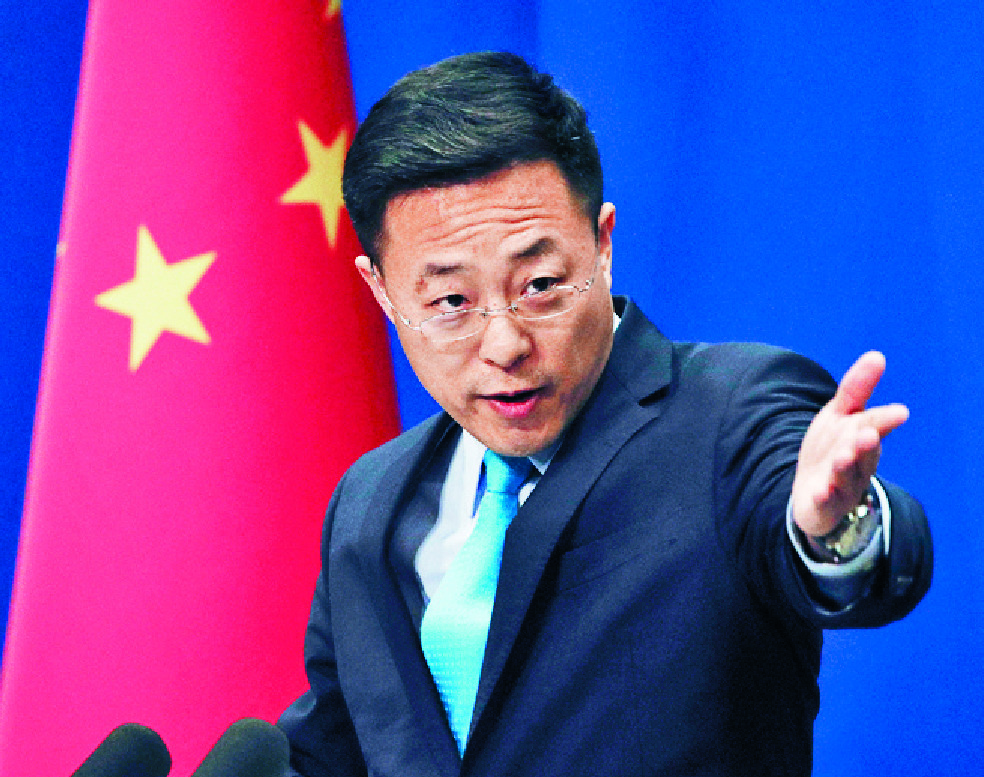
But when Zhao Lijian, 47, a diplomat known for a pugnacious social media presence, finished a posting in Pakistan in August, he received an enthusiastic welcome home. A group of young admirers at the ministry gathered to cheer his return.
That admiration was fueled in part by a Twitter spat he had a month earlier with Susan Rice, who had been national security adviser to Barack Obama when he was president. Each accused the other of being "ignorant" and "a disgrace."
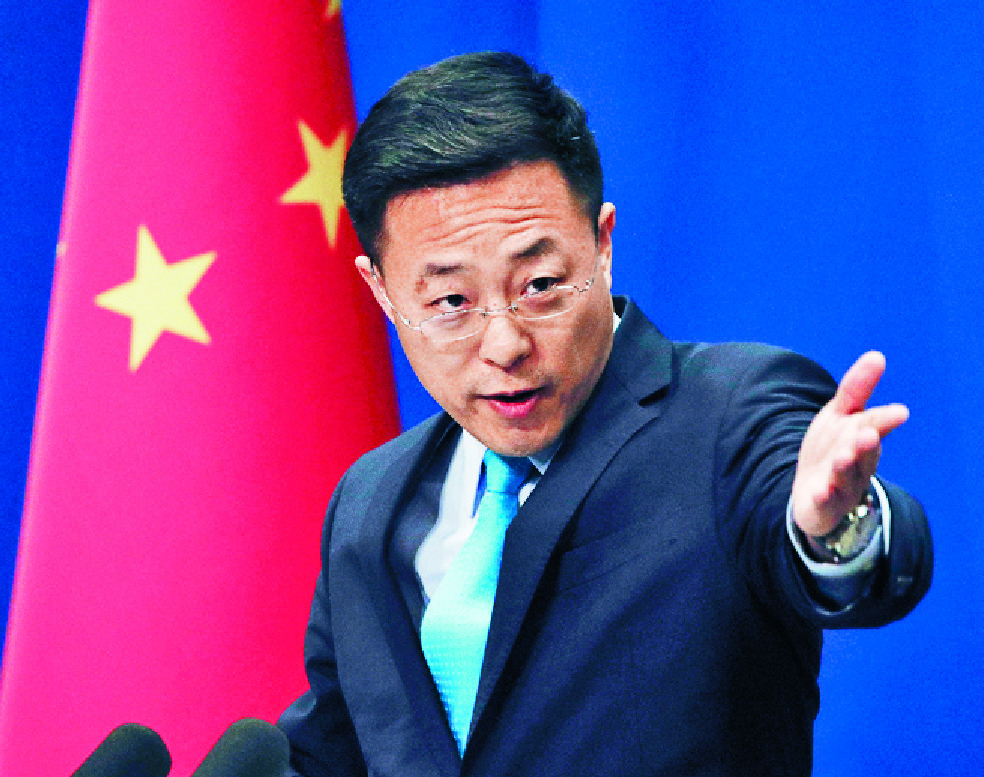
Now a ministry spokesman, Zhao represents a new crop of diplomatic hawks, challenging the restraint that long characterized China's engagement with the world. Their emergence has caused a rift with the old foreign policy establishment amid worries that increasingly assertive rhetoric could put the country on a collision course with powers like the United States.
The shift followed instructions from President Xi Jinping to diplomats last year, telling them to show more "fighting spirit."
"This is the first time since 1949 that the 'new hawks' have the power to reshape China's diplomatic policy," says Qin Xiaoying, who was a director of the Chinese Communist Party's international propaganda department and is now a researcher with the China Foundation for International and Strategic Studies in Beijing.
Driving the shift is the widespread feeling that the United States wants to contain China's rise. Aggressive pushback by diplomats on issues that provoke nationalistic sentiment, like the protests in Hong Kong or the coronavirus outbreak, has proven popular domestically.
"We will not attack unless we are attacked," the ministry responded in a request for comment, quoting Mao Zedong. "But if we are attacked, we will certainly counterattack."
Zhao had nothing to say for himself.
Xi gave instructions about adopting a tougher stance in the face of international challenges like deteriorating relations with Washington in a handwritten message to diplomats. State councillor and Foreign Minister Wang Yi gave the same message to officials attending a celebration of the 70th anniversary of the ministry's founding.
Since last year, more than 60 Chinese diplomats and diplomatic missions have set up Twitter or Facebook accounts - though the platforms are banned in the mainland - and often used them to attack Beijing's critics around the world.
Zhao last month promoted a conspiracy theory on his personal Twitter account that the US military took the coronavirus to Wuhan, where the outbreak began late last year.
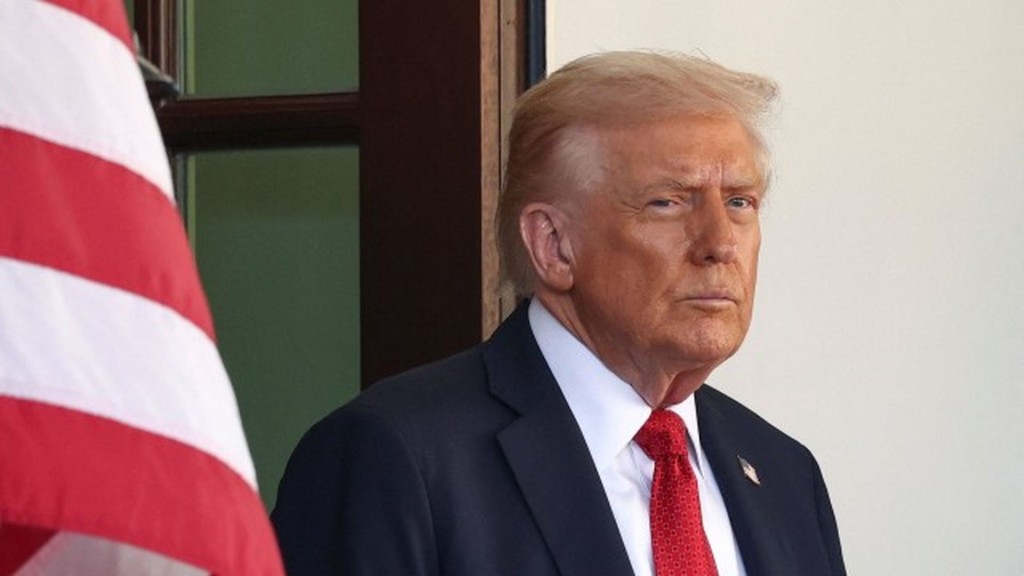
President Donald Trump escalated the spat, infuriating Beijing by repeatedly citing the "Chinese virus."
The new Chinese assertiveness is a response in part to Washington's more confrontational stance on China under Trump, according to diplomats. Among China's new Twitter warriors is Zhao's boss, Hua Chunying, who became the ministry's top spokeswoman last year and began tweeting in February. Hua spent several weeks last year at the Central Party School, which trains officials destined for promotion.
The aggression is aimed not only at Washington. In Brazil, ambassador Yang Wanming shared a tweet - later deleted - calling the family of President Jair Bolsonaro "poison" after his son blamed the "Chinese dictatorship" for the Covid-19 pandemic.
Bejing's embassy in Peru blasted Nobel laureate Mario Vargas Llosa for "irresponsible" comments after the 83-year-old said the virus "originated in China." And China's embassy in Singapore went after a former Singapore diplomat, Bilahari Kausikan, after he linked the virus outbreak and China's political system. The article was allegedly "smearing China's political system and the leadership system."
Many young diplomats have pushed the Chinese government to take a harder line when dealing with the United States, like the expulsion from Beijing of a dozen American journalists.
But some retired diplomats and researchers at state think tanks, wary of provoking anti-China sentiment, have been writing cautionary reports. Some cite the pragmatism of communist China's first foreign minister, Zhou Enlai, who sought to make as many friends as possible for the country and avoid making enemies.
Zhou's spirit of diplomacy was adopted largely by Deng Xiaoping, whose policy of "biding our time and nurturing our strength" enabled China to keep a low profile internationally while focusing on economic growth.
But the younger generation only know a rising China, says Kausikan. "It sometimes seems as if this new generation feels obliged to have a public quarrel to prove their patriotism."
REUTERS