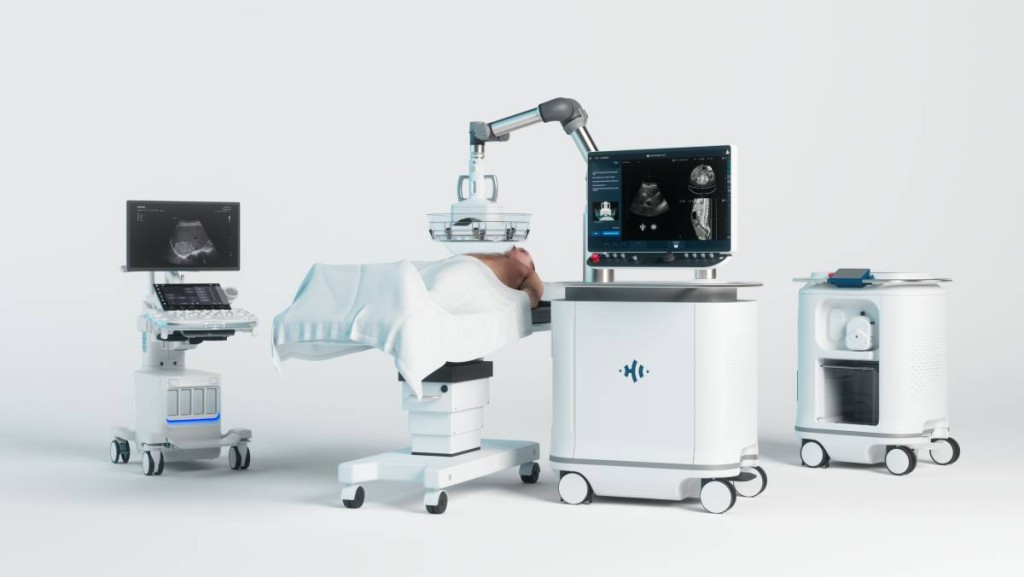
Hong Kong is set to become Asia's first city to run clinical trials of histotripsy, a non-invasive kidney tumor treatment, expanding the technology beyond liver and pancreatic cancers, with three private hospitals taking part and 30 trial slots funded by tycoon Li Ka-shing.
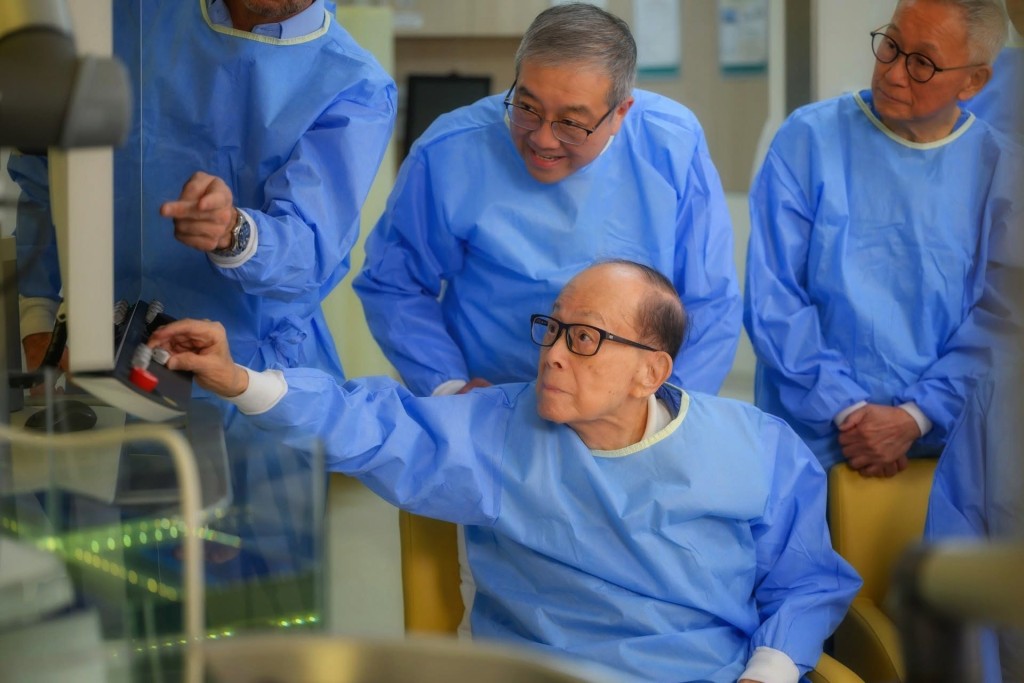
The Li Ka Shing Foundation announced on Wednesday that CUHK Medical Centre, Gleneagles Hospital Hong Kong and Hong Kong Sanatorium & Hospital would launch the trials with the technology that uses focused ultrasound waves to destroy targeted tumors at the cellular level.
More than 400 patients in the city have been treated with histotripsy over the past two years, the foundation said.
26 pancreatic tumor cases completed with histotripsy
Gleneagles Hospital and CUHK Medical Centre are running pancreatic cancer clinical trials using histotripsy. The former has successfully completed 20 pancreatic tumor cases since launching its trial on March 31 this year, while the latter has finished six since June 3. Including Hong Kong, the world has now recorded more than 100 pancreatic cancer cases from clinical trials and off-label procedures.
The foundation has donated three histotripsy machines since 2024 to the Li Ka Shing Faculty of Medicine at the University of Hong Kong, the Faculty of Medicine of the Chinese University of Hong Kong and Hong Kong Sanatorium & Hospital.
Partnered with three hospitals, it added histotripsy treatment to its "Love Can Help" medical program in May to subsidize 200 eligible liver cancer patients over three years, reducing the cost from about HK$260,000 to HK$50,000, with 20 cases completed successfully to date, according to the foundation.
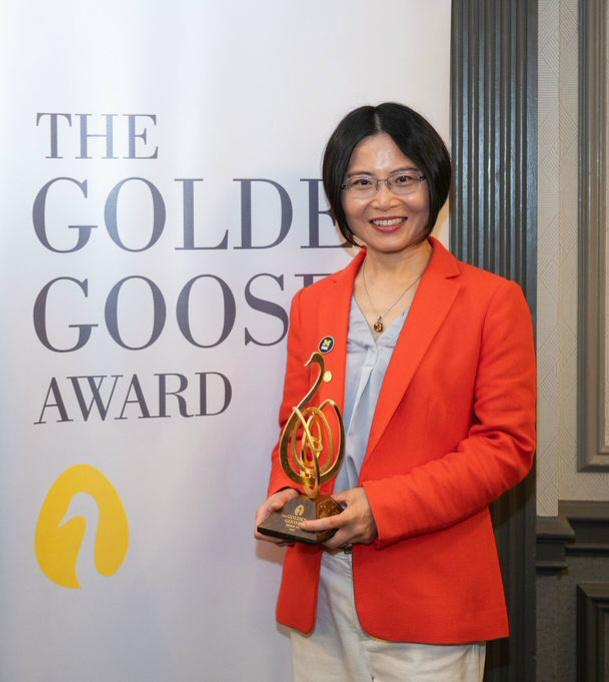
Histotripsy inventor Zhen Xu wins Golden Goose Award
Separately, the technology's inventor Zhen Xu, a professor at the University of Michigan, was honored with the 2026 Golden Goose Award by the American Association for the Advancement of Science on September 29. As the world's largest multidisciplinary scientific organization, it presents the prize each year to recognize federally funded research yielding scientific and societal breakthroughs.
Frank Feng