
Read More
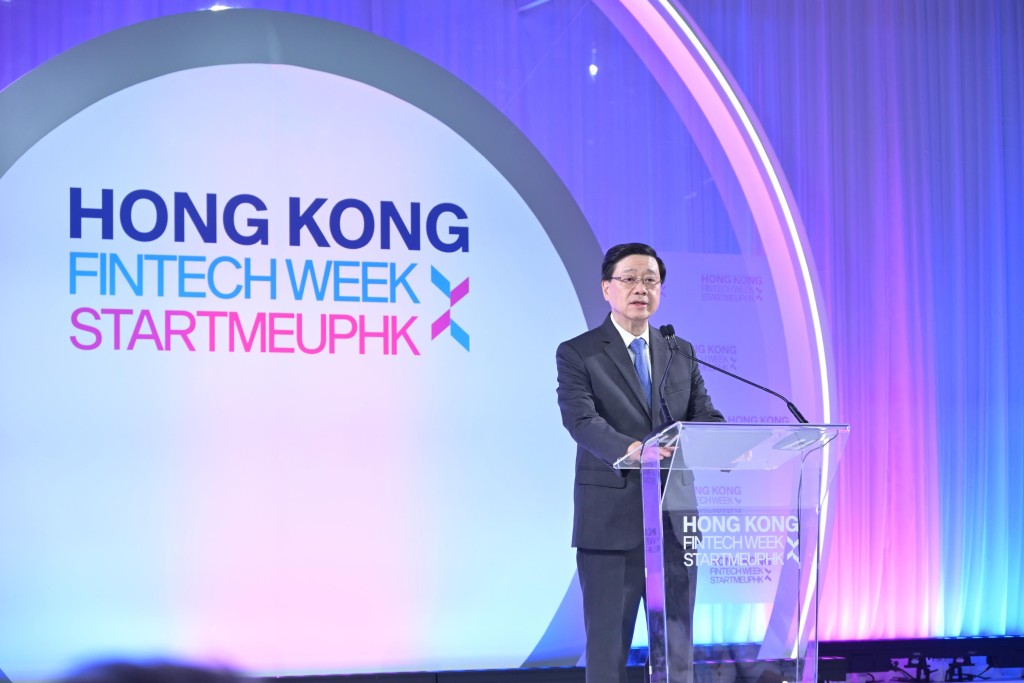
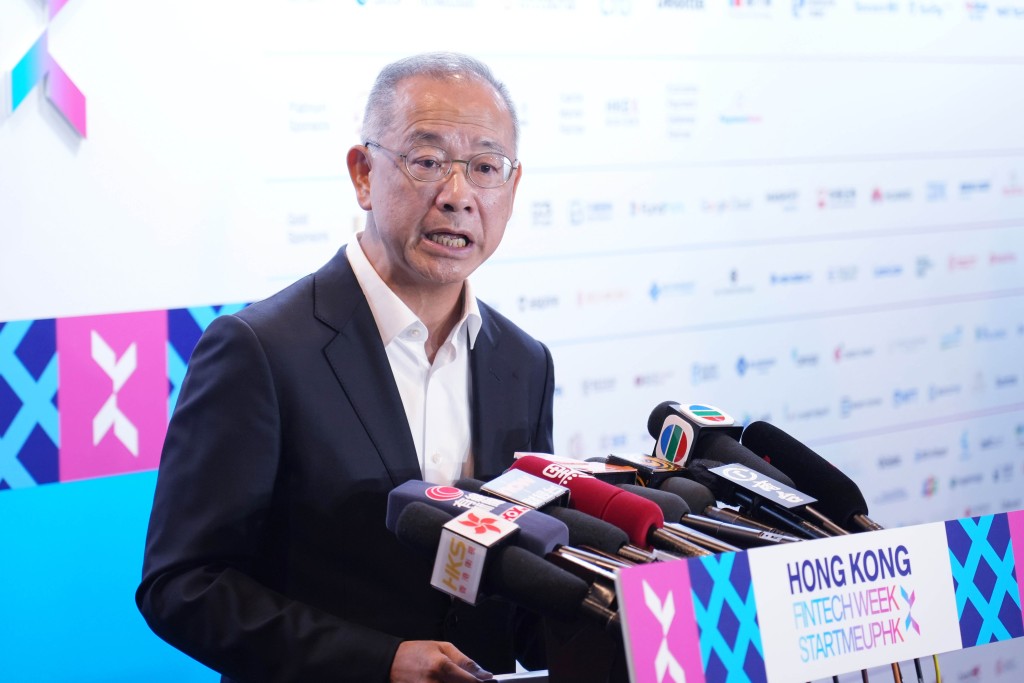
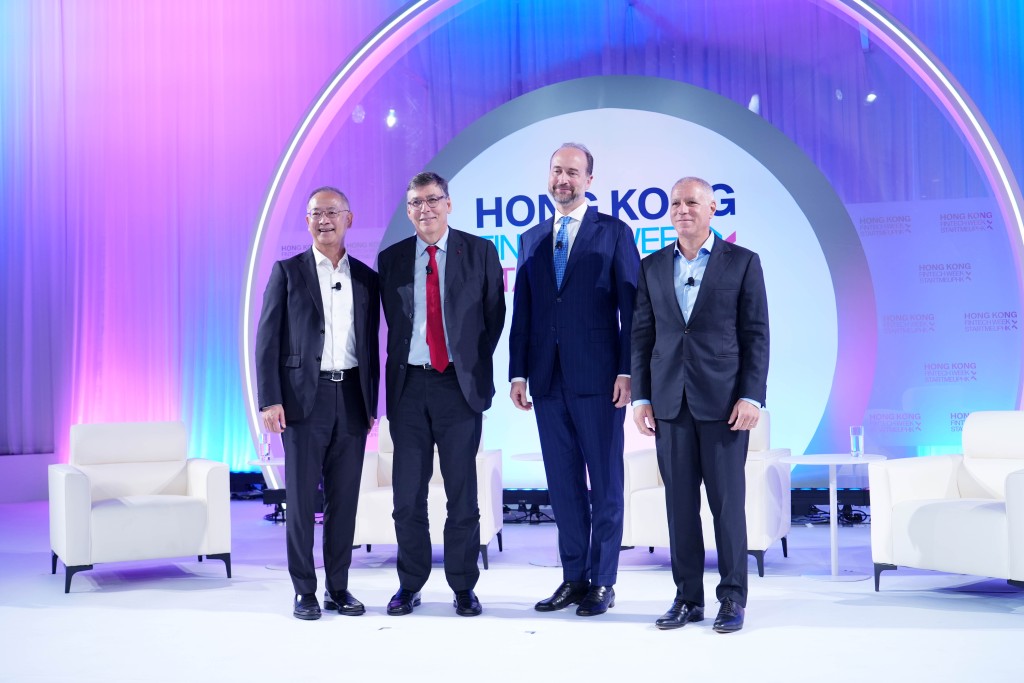
HSBC chief executive Georges Elhedery said the bank will sign a partnership agreement tomorrow to establish an AI & Emerging Technology Institute in Hong Kong, with Hong Kong University of Science and Technology (HKUST) as its first anchor academic partner.
ADVERTISEMENT
SCROLL TO CONTINUE WITH CONTENT
Speaking at the Hong Kong FinTech Week x StartmeupHK 2026, Elhedery said the bank realized early on that artificial intelligence would bring disruptive impact, transforming and eliminating various roles while creating entirely new ones.
The bank's first priority is to bring all 200,000 colleagues on the journey with them, rather than creating an environment full of uncertainty, he added.
Elhedery said the AI vision set out earlier comprises three major goals – empowering all colleagues through AI training and AI tools, redesigning operational processes and procedures in rethinking how to conduct KYC and customer due diligence, reshaping fraud detection, anti-financial crime detection, and credit approval, and providing personalized services to clients, with the bank now testing conversations between clients' AI agents and the bank's agents.
Tokenized Gold and Stablecoin Scale Up
On tokenization, Elhedery said the tokenized gold launched earlier has become one of the top three tokenized gold instruments globally, and noted that the bank's Hong Kong dollar-denominated stablecoin RedCoin was officially launched last week and already has 50,000 users, with a target of millions.
The current growth trend is positive, he noted, clearly demonstrating that as long as the technology is sound and secure, with a well-developed regulatory environment, emerging technologies can absolutely achieve scale.
Quantum Transition to Take Three to Five Years
As for quantum computing, Elhedery said the vast majority of current cryptographic methods are vulnerable to being cracked by quantum computing. He estimated a transition period of three to five years to move existing encryption systems to methods more resistant to quantum attacks, while also needing the agility to switch between different encryption methods to continuously maintain quantum resilience.
BIS Innovation Hub Studies Tokenization Benefits
Meanwhile, Tommaso Mancini-Griffoli, head of the BIS Innovation Hub (BISIH), the unit under the Bank for International Settlements, said BISIH is studying how tokenization can help central banks optimize monetary policy operations.
Through tokenization, new liquidity channels can be structured in much shorter time periods, which is particularly important during times of market volatility, he said. The hub is also studying how to reduce compliance costs by automating compliance through tokenization.
Mancini-Griffoli said challenges such as governance and risk management take time to resolve. He cited "Nexus," a cross-border payment project BIS is running with multiple Asian countries that aims to link fast payment systems, noting that it spent about a year testing technological solutions and another year devising governance arrangements and other related matters.
Supervisory Focus Turns to Control, Trust and AI Oversight
Banque de France's first deputy governor Denis Beau said the key question today is no longer whether financial institutions should use AI, but whether they reflect on control and trust so that this profile is not hard to manage.
To make that assessment, supervisors may have to requite their toolkits and supervisory expectations, he noted. In Europe, this is certainly the case given the European Regulation on Artificial Intelligence (the “AI Act”) which entrusts a number of national authorities and supervise the use of AI models by financial institutions.
Beau said the authority is preparing itself to monitor the use of those models, doing methodological work on algorithms covering fairness, explainability and robustness, undertaking dialogue with industry to test its methodology, and building capabilities to understand and assess AI models.
He added that supervisors must also be reactive to cyber risk, where negative impacts are already visible alongside the positive ones from AI frontier models. Recommendations have been developed, and the authority is following industry developments.