Read More
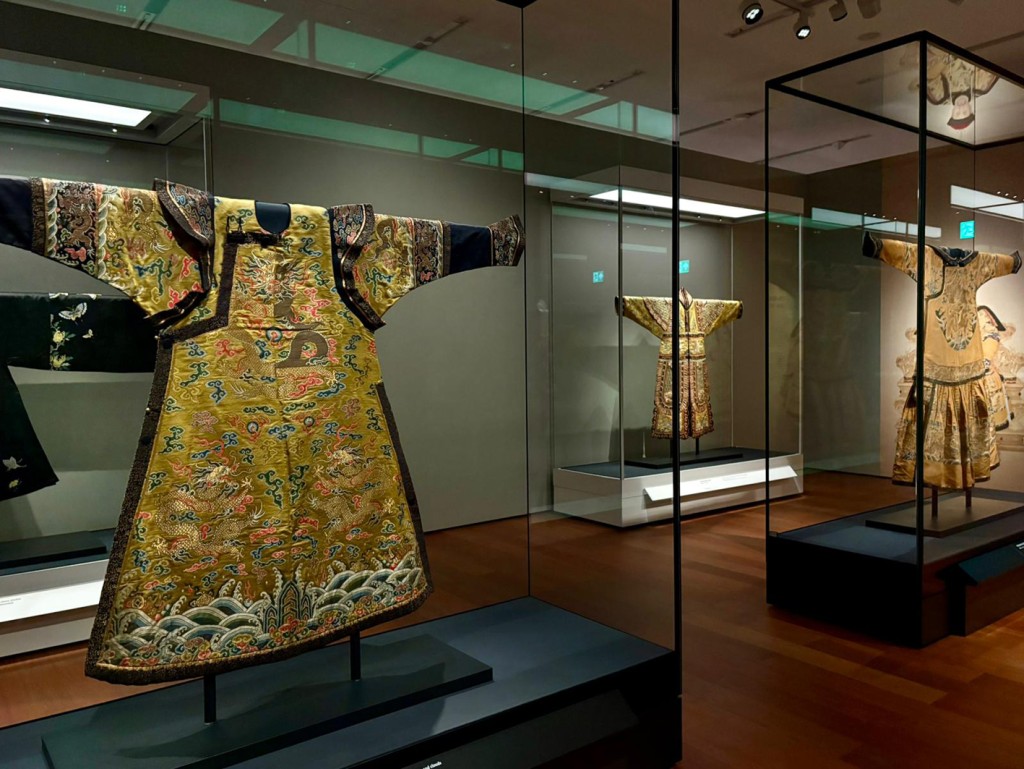
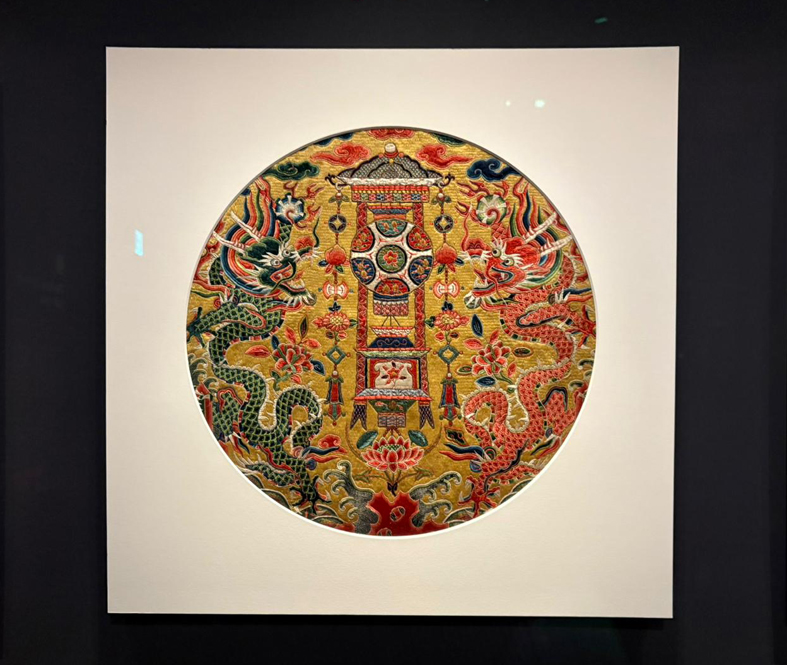
More than 100 spectacular textiles tracing the evolution of Chinese silk craftsmanship from the Neolithic period to the early 20th century will go on display at the Hong Kong Palace Museum starting tomorrow.
ADVERTISEMENT
SCROLL TO CONTINUE WITH CONTENT
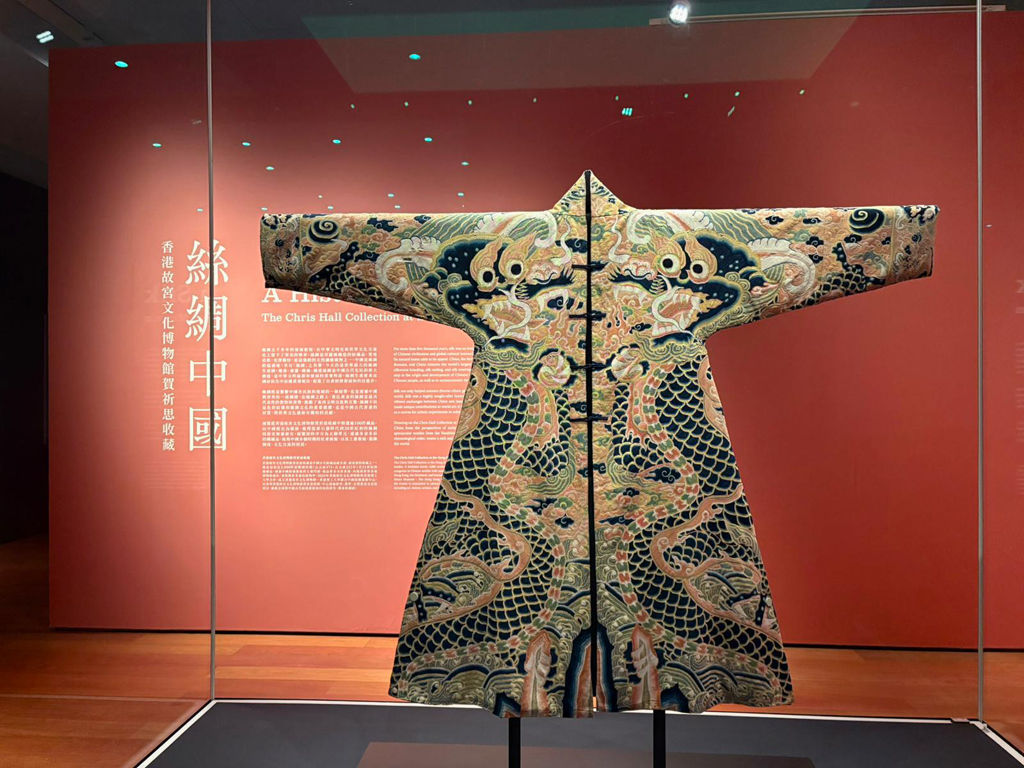
Titled “A History of China in Silk: The Chris Hall Collection at the Hong Kong Palace Museum,” the major exhibition is structured into five chronological sections. These sections are designed to weave a rich and colorful narrative of China, exploring its society, clothing culture, and historical interactions with the wider world.
Among the notable highlights is a rare Ming Dynasty blue gauze ceremonial jacket embroidered with a “douniu” – a mythical beast from Chinese legend – pattern. During the Ming era, clothing featuring this creature was personally bestowed by the emperor as a special mark of favor, signifying profound imperial patronage.
This jacket also stands as a testament to cultural exchanges between Han and Tibetan peoples and is recognized as one of the most important pieces in the collection of Chris Hall, the renowned Hong Kong-based Chinese textile collector.
Another significant exhibit is a deep brown brocade from the Warring States period, decorated with paired dragons, phoenixes, and geometric patterns. It is the oldest artifact in the entire exhibition.
Mr.Hall said that over the past four decades, he has been committed to collecting and preserving Chinese textile and embroidery treasures, with the aim of returning these artifacts to the birthplace of silk for both academic research and public display.
He expressed satisfaction that his collection is being presented at the Hong Kong Palace Museum, believing the exhibition not only showcases exquisite silk craftsmanship but also makes a substantial contribution to the field of Chinese textile research.
Mr Hall has promised to donate nearly 3,000 pieces of Chinese textile art to the museum in 2034, under the designation “The Chris Hall Collection at the Hong Kong Palace Museum.” The transfer of part of the collection to the museum commenced in December 2024.