As the lunar New Year approaches, we may look forward to meeting our loved ones and spending time together.
Coupled with the recent gradual relaxation of epidemic prevention measures, everyone cannot wait to travel or meet with relatives and friends.
However, the coronavirus is constantly mutating and spreading at an alarming speed. Furthermore, with the prevailing flu attack, we will be invaded by the virus if we are not careful.
Therefore, boosting immunity is the best way to fight viral infections.
From the daily diet, choosing corresponding and appropriate food, and absorbing the nutrients in the food, will help improve our immunity.
Of course, a healthy body requires the cooperation of many aspects - including maintaining a balanced diet, moderate exercise and adequate sleep.
Probiotics
A study by Yonsei University in Seoul, South Korea, showed that Bifidobacteria in the gut could help prevent the new coronavirus from invading the gut.
Another study by the Faculty of Medicine of the Chinese University of Hong Kong also pointed out that adjusting the ecological balance of the intestinal tract can help improve immunity and protect against viruses. The majority - 70 percent - of the body's immunity comes from our gut, so maintaining gut health is a top priority.
Choosing cruciferous vegetables, fermented foods, and nutritional supplements in the daily diet can increase probiotics.
Of course, the ideal way is to take supplements that contain sufficient probiotics, prebiotics, and phytonutrients and use coating technology to directly retain the good bacteria so that they can reach the intestinal tract conveniently and the body can more easily absorb the small molecules.
Vitamin C
Vitamin C is a water-soluble fiber that plays an essential role in tissue repair and the operation of the immune system.
It helps defend against free radicals, enhances antioxidant capacity, and synthesizes essential neurotransmitters.
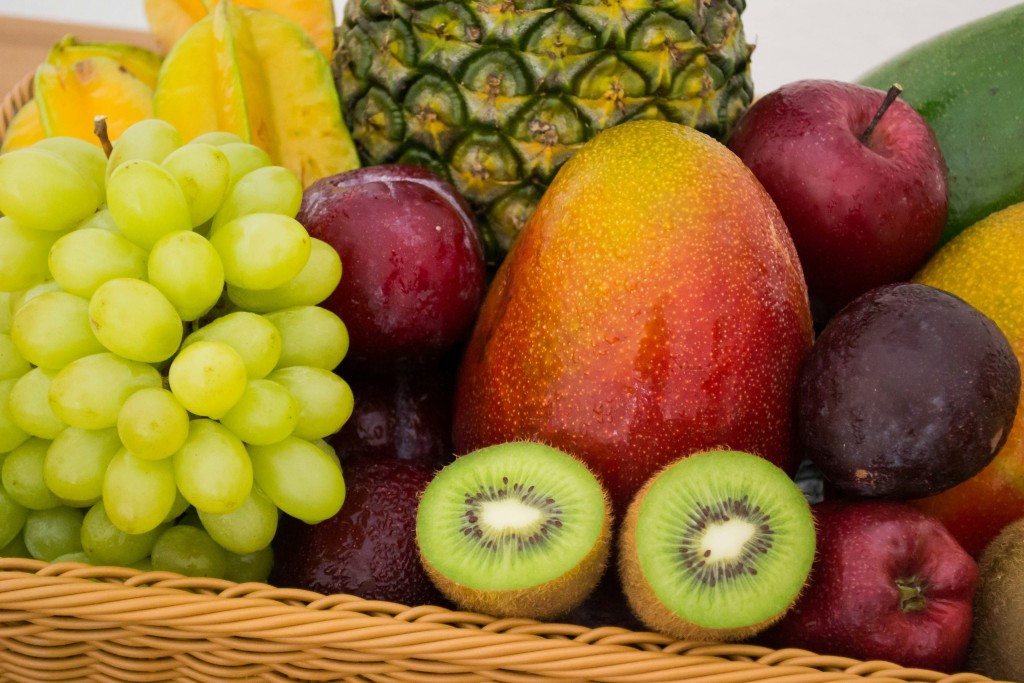
It also regulates stress hormones in the body, produces red and white blood cells and helps wound healing. The human body cannot synthesize vitamin C by itself, so it must be obtained from the diet, such as citrus fruits (orange, lemon), kiwi fruit, bell pepper and berries (blackcurrant, cranberry).
Many studies have shown that taking the appropriate amount of vitamin C for a long time can shorten the course of a cold or reduce symptoms.
Vitamin D
Vitamin D is an essential nutrient to maintain the functioning of the immune system.
It has anti-inflammatory and immunoregulatory functions and can also enhance the function of T cells and macrophages, helping to protect the body against the invasion of pathogens.
A team of researchers at the Boston University School of Medicine in the United States found that getting enough vitamin D or having a high vitamin D in the body reduced the risk of contracting new coronary pneumonia by 54 percent.
If we want enough vitamin D, it is more efficient to get it from health supplements other than relying solely on sunshine and diet.
Vitamin E
Vitamin E has an excellent antioxidant effect, can neutralize free radicals, prevent free radicals from damaging cells, and regulate immune function.
To ensure we get enough of this vitamin, we can ingest olive oil, mustard oil, nuts, soybeans, spinach and peanut butter in our daily diet.
Resveratrol
Resveratrolis a plant polyphenol commonly found in red wine, red grape skin, purple grape juice, mulberry, blueberry, cranberry, raspberry and peanut.
Studies have found that resveratrol has the excellent antioxidant capacity, can resist and help repair damage caused by free radicals, and prevent damage caused by chronic inflammation in the human body.
Zinc
Zinc is a trace element that the human body cannot synthesize, and we need to ingest it in food or nutritional supplements. It can help improve the immune system and metabolism, help wounds heal, and reduce the ability of viruses to reproduce.
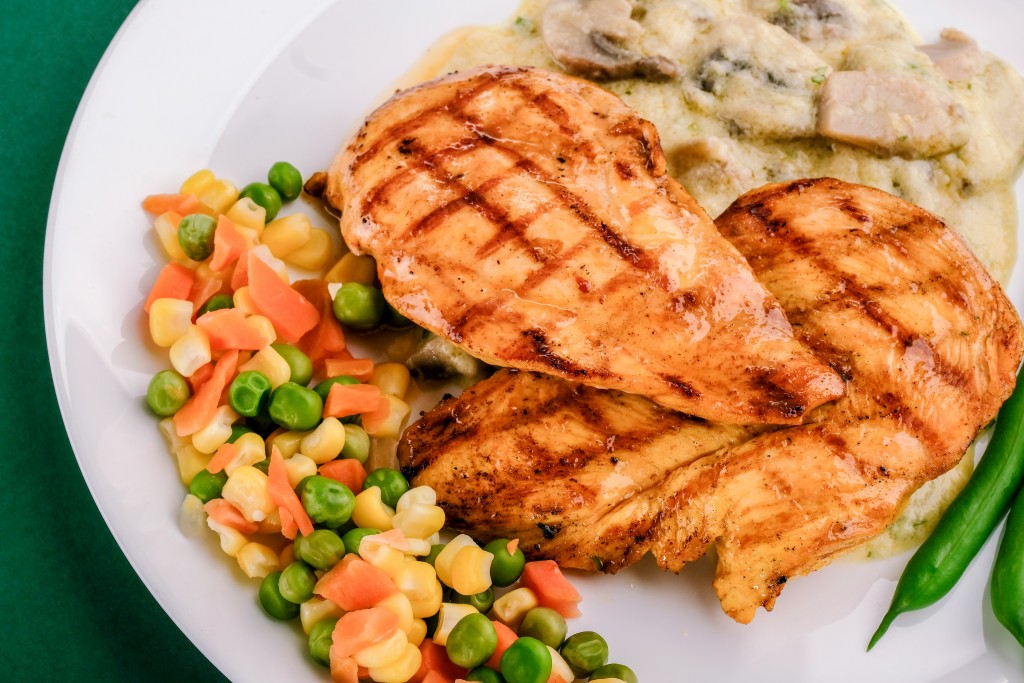
We can consume cereals, soybeans, oysters, chicken, and beef.
Yan Luk is a nutritionist from Jeunesse marketing, Greater China