Is it really necessary to unplug kitchen appliances after turning them off? Do they still consume electricity or pose a fire risk? A professional electrician advises that the following 4 common kitchen appliances should have their plugs removed immediately after each use to ensure home safety. All "newbie adults" take note!
Unplugging may seem trivial, but it is key to ensuring home safety and saving energy. For the following 4 high-energy, high-heat kitchen appliances, extra attention is required:
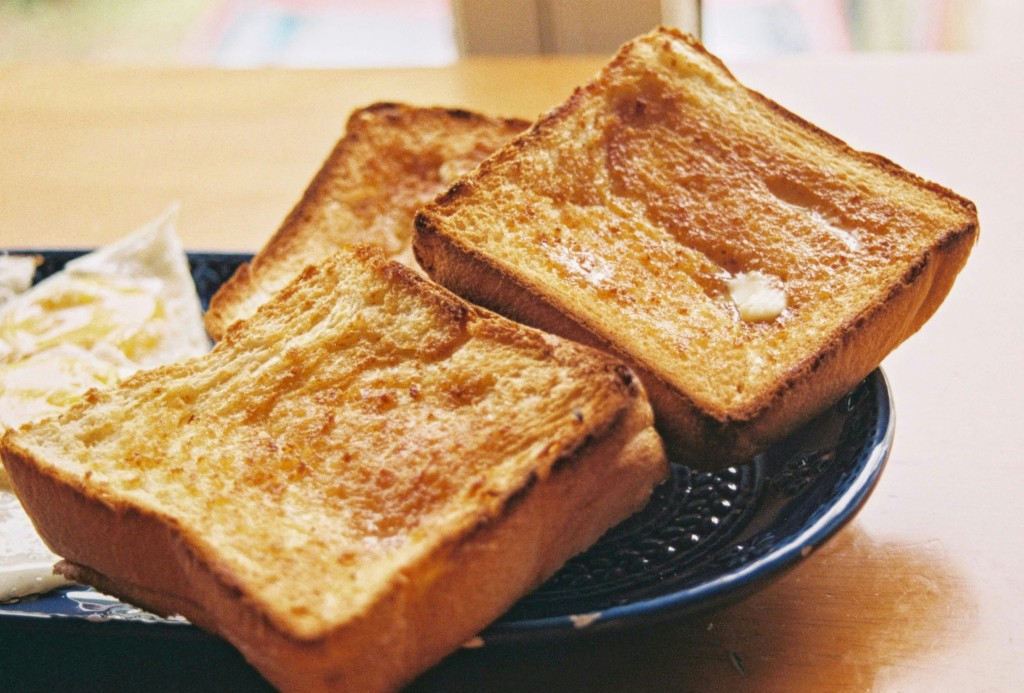
1. Toaster: Crumbs Accumulate
Although toasters are small, leaving them plugged in for extended periods poses risks that should not be ignored. Electricians point out that the heating coil is only inches away from the crumb tray at the bottom. If not cleaned regularly, accumulated crumbs can become a fire source.
Additionally, long-term use can cause internal parts to wear out. For example, faulty timers or thermostats can cause heating elements to stay on, increasing fire risk. Unplugging after each use is the simplest and most effective preventive measure.
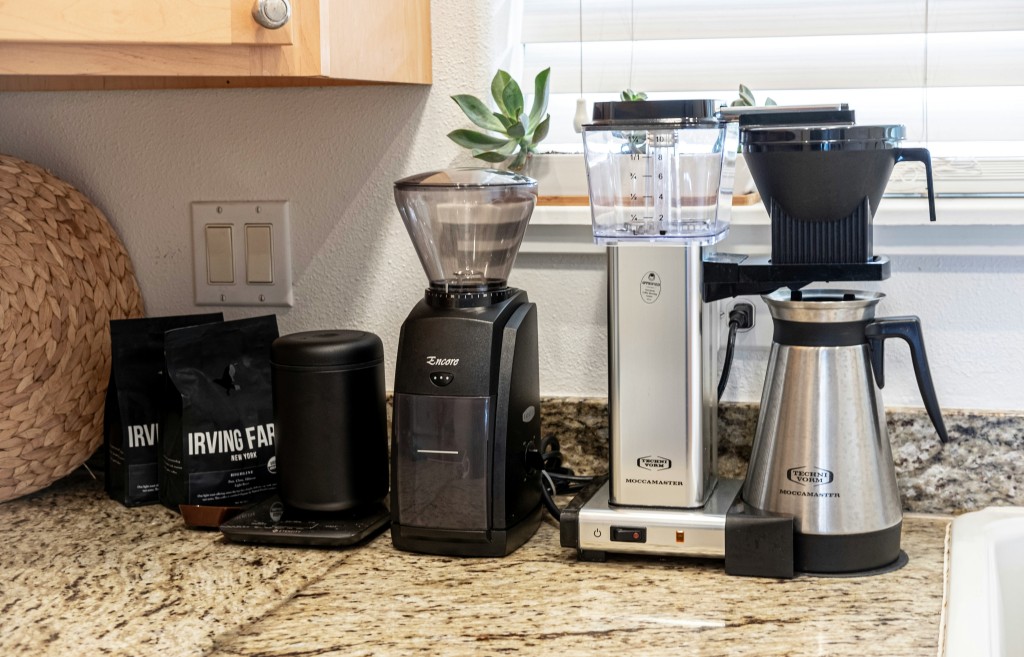
2. Coffee Maker: Standby Power Consumption
Modern coffee makers often have digital clocks, brew timers, and other functions. Even when "turned off," as long as the plug is still in the socket, they remain in standby mode, continuously consuming electricity. Besides wasting energy, leaving them plugged in long-term can also damage the device due to power surges, potentially causing burnt sockets, melted plastic, or damaged contacts. Experts recommend unplugging the coffee maker after each brew to save electricity and stay safe.
3. Air Fryer: High-Heat Operation + Food Residue Risk
Air fryers have become a common kitchen appliance in many households, but experts strongly recommend unplugging them immediately after each use. Air fryers contain high-temperature heating elements and internal electronics. If exposed to voltage fluctuations or surges, combined with potential food residue accumulation inside, they can become a fire hazard. Even if the switch is turned off, as long as the plug remains connected to power, a malfunction could still cause overheating or a short circuit.
4. Countertop Oven: High Heat Speeds Up Aging and Malfunction
Ovens operate at high temperatures. With frequent use, internal wiring, heating elements, and connections can gradually degrade over time – a primary cause of appliance failure. Electricians note that the most common damage is a melted socket or heating elements malfunctioning and staying on constantly. Since ovens rely on high temperatures to operate, if a malfunction occurs while no one is home, the consequences could be disastrous. Therefore, it is essential to unplug after each use, and especially to check this before leaving the house.
Source: Martha Stewart