After heavy rain, many homemakers take advantage of lower prices to buy fruit. However, a fruit stall owner points out that 4 types of fruit are extremely sensitive to water after rain. They may look fine on the outside when purchased, but can quickly develop mold and spoil at home, or even reveal completely rotten flesh when cut open.
Freshly Fruit Shop owner Ah Mao shared a video on his Facebook page explaining that the following 4 fruits are most prone to rapid spoilage after being bought following rain:
- Melons (e.g., Watermelon): Melons like watermelon are very susceptible to "water damage" after rain. Water damage often cannot be detected from the fruit's exterior, but cutting it open reveals affected flesh. While the fruit may not be completely spoiled, it must be consumed quickly and cannot be stored for long.
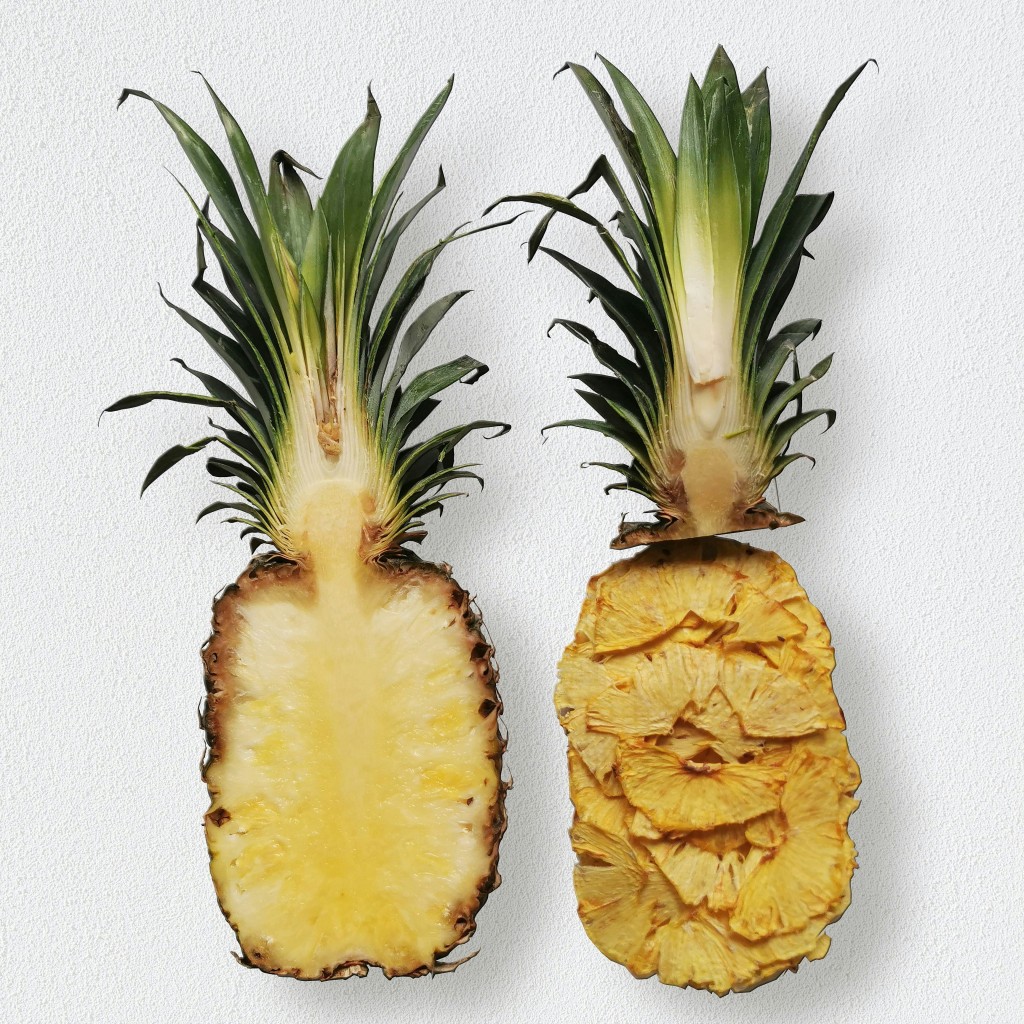
- Pineapple: Pineapples easily absorb water. Waterlogged flesh becomes overly ripe. It is recommended to eat a cut pineapple immediately on the same day, otherwise, it can easily ferment and spoil.
- Papaya: Papaya is very afraid of water. If the skin touches water, the fruit can easily start to mold, even spoiling entirely before the flesh fully ripens.
- Hami Melon / Cantaloupe: After rainy days, these melons can easily begin to rot gradually from the stem end or bottom. The worst trap is that they may look fine when bought today, but be rotten after just two days.
Despite the higher risk of spoilage when buying fruit during rainy periods, Mao also revealed a hidden benefit in the wholesale fruit market: fruit prices tend to be lower after rain. If you want to buy more, this can be a good time. However, Mao reminds buyers to eat the fruit quickly after bringing it home, otherwise, it easily spoils and goes to waste.
What is "Water Damage"?
Nutritionist Xia Zi-wen once explained on her Facebook page that "water damage" refers to a water-soaked appearance, soft rot, or discoloration on the fruit peel or flesh caused by moisture fluctuations, physical impact, or pathogen infection. For example, after heavy rain, the Phytophthora pathogen in the soil can be spread by water splashes, infecting the fruit. It can also result from bruising during harvesting and transportation.
Xia reminds us that for mild water damage, as long as the damaged part is completely removed, it is usually safe to eat. However, if the fruit is severely damaged, it is highly likely to have harbored microorganisms and absolutely should not be eaten. Specifically, if the fruit surface shows signs of oozing liquid, off-odors, or mold spots (which may indicate pathogen infection), or excessive blackening, soft rot, or putrid smell (indicating pathogens have multiplied), it must be discarded immediately.
Sources: Freshly Fruit Shop, Nutritionist Xia Zi-wen