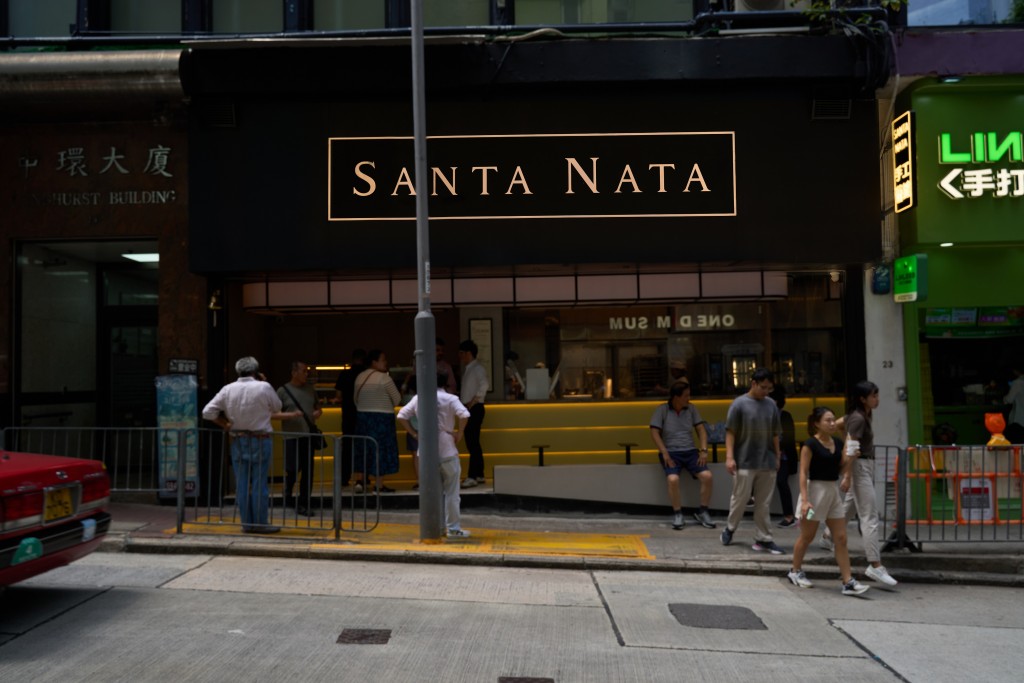
The sound of a bell at a small bakery on Lyndhurst Terrace now signals that another batch of Portuguese custard tarts has emerged from the oven.
ADVERTISEMENT
SCROLL TO CONTINUE WITH CONTENT
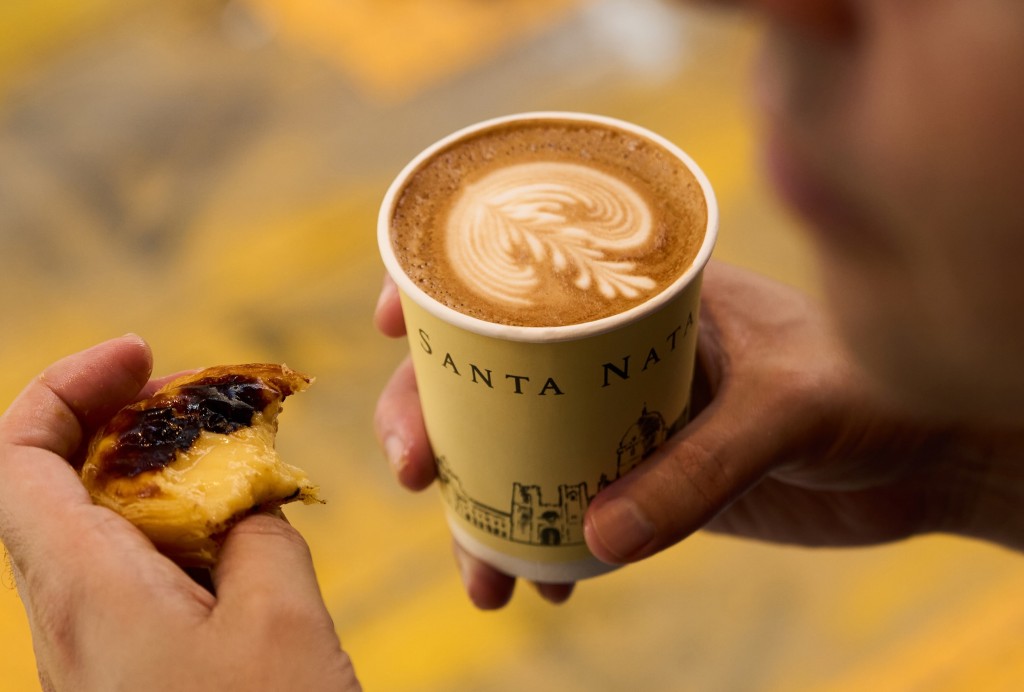
Santa Nata, a Portuguese bakery founded in London, has opened its first Asia location in Central, bringing its handmade pastéis de nata to Hong Kong alongside a compact menu that draws on both Portuguese and local baking traditions.
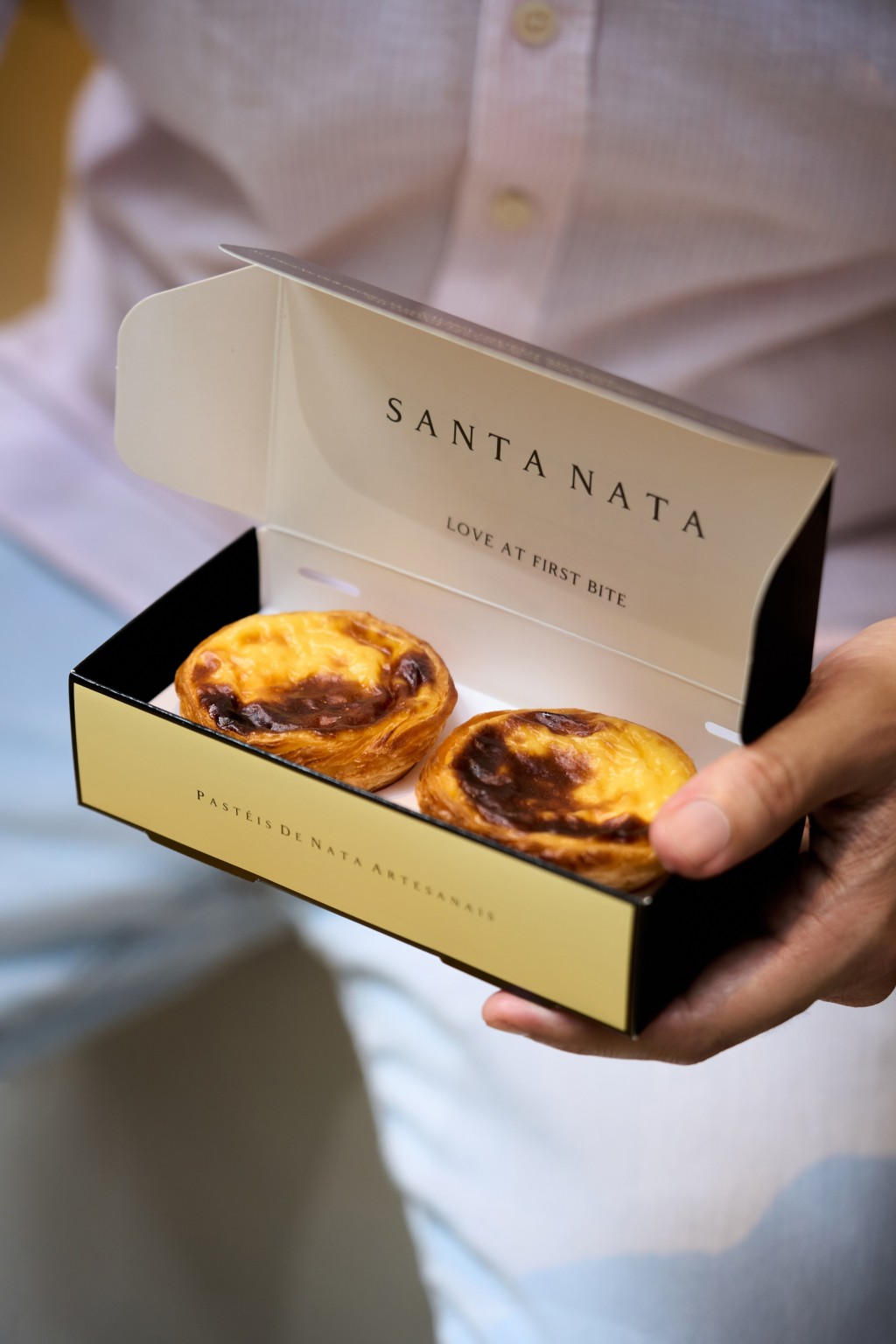
The traditional pastel de nata is priced at HK$14 each, HK$28 for two, HK$56 for four and HK$112 for eight.
The shop at 25-27 Lyndhurst Terrace is Santa Nata’s 10th location worldwide. Since opening its first bakery in London in 2019, it has expanded across London and Oxford, as well as to Kuwait, Doha and Istanbul.
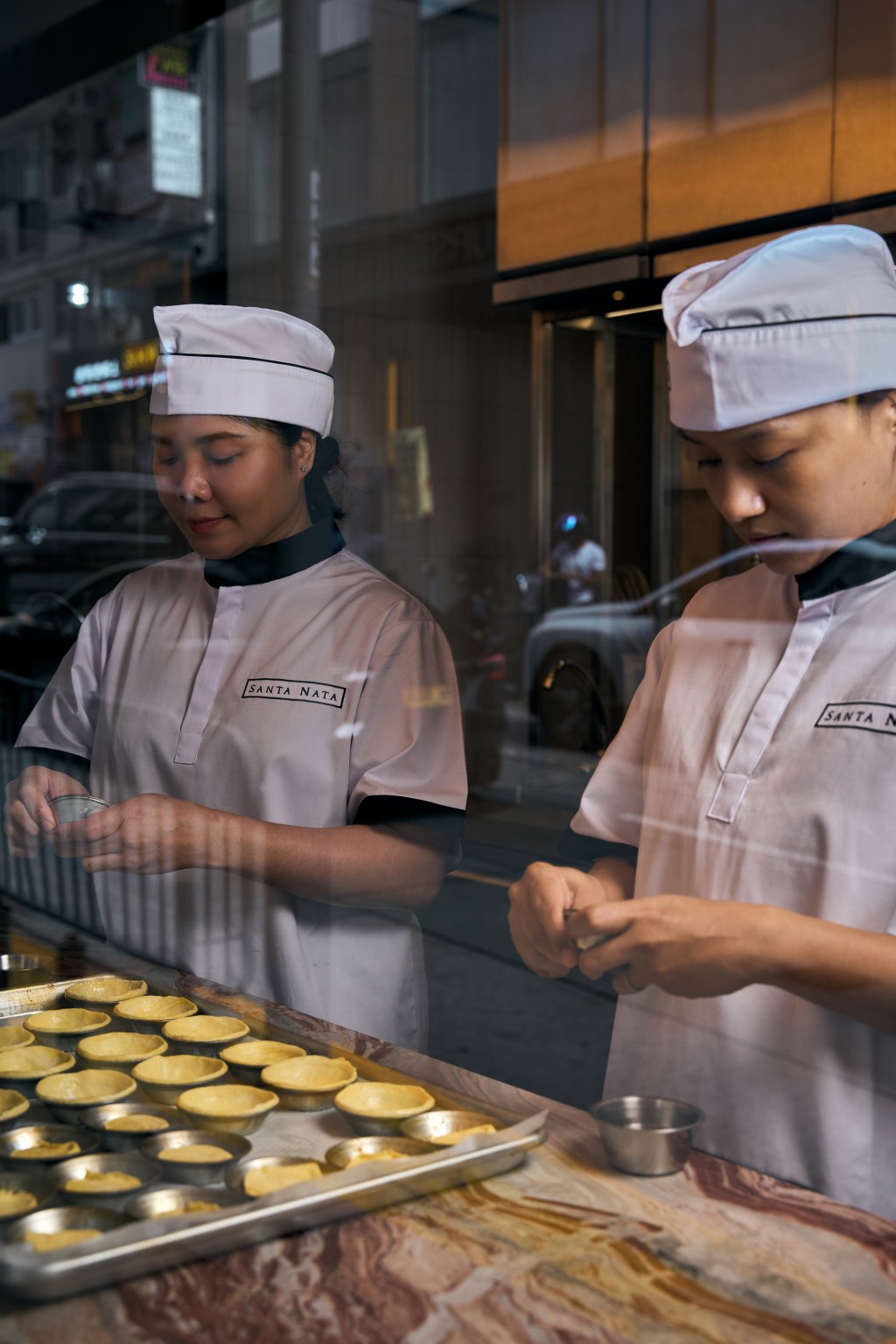
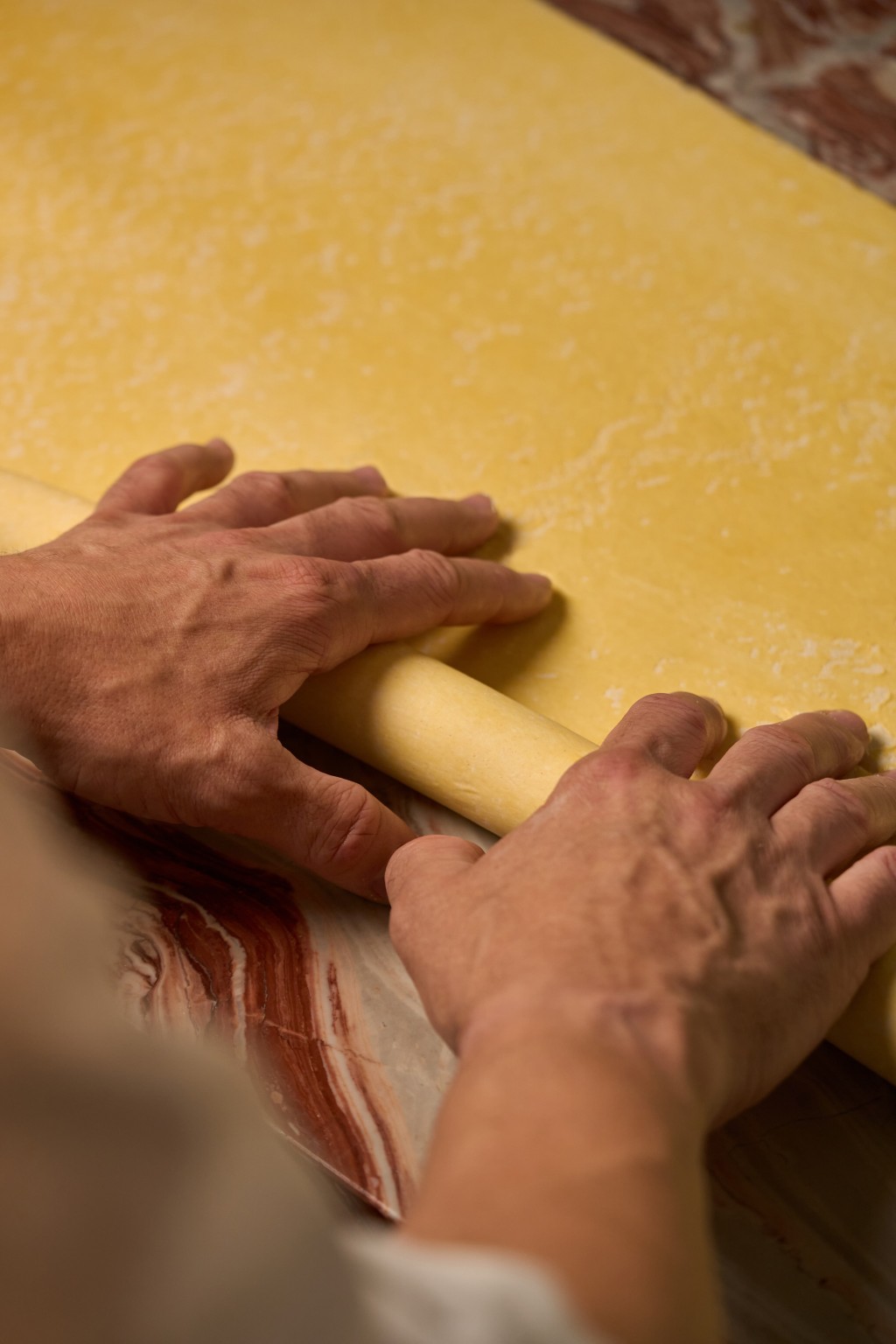
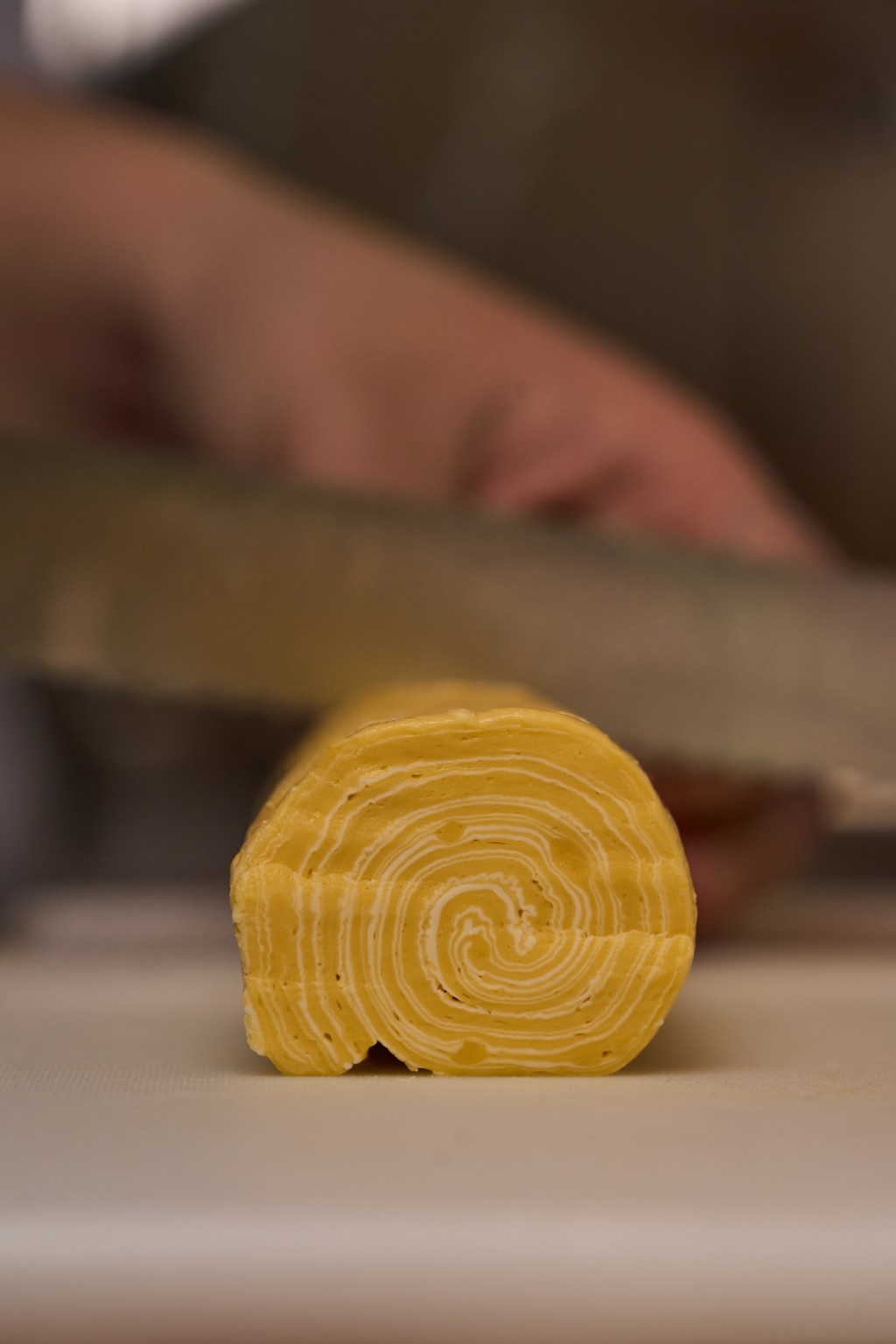
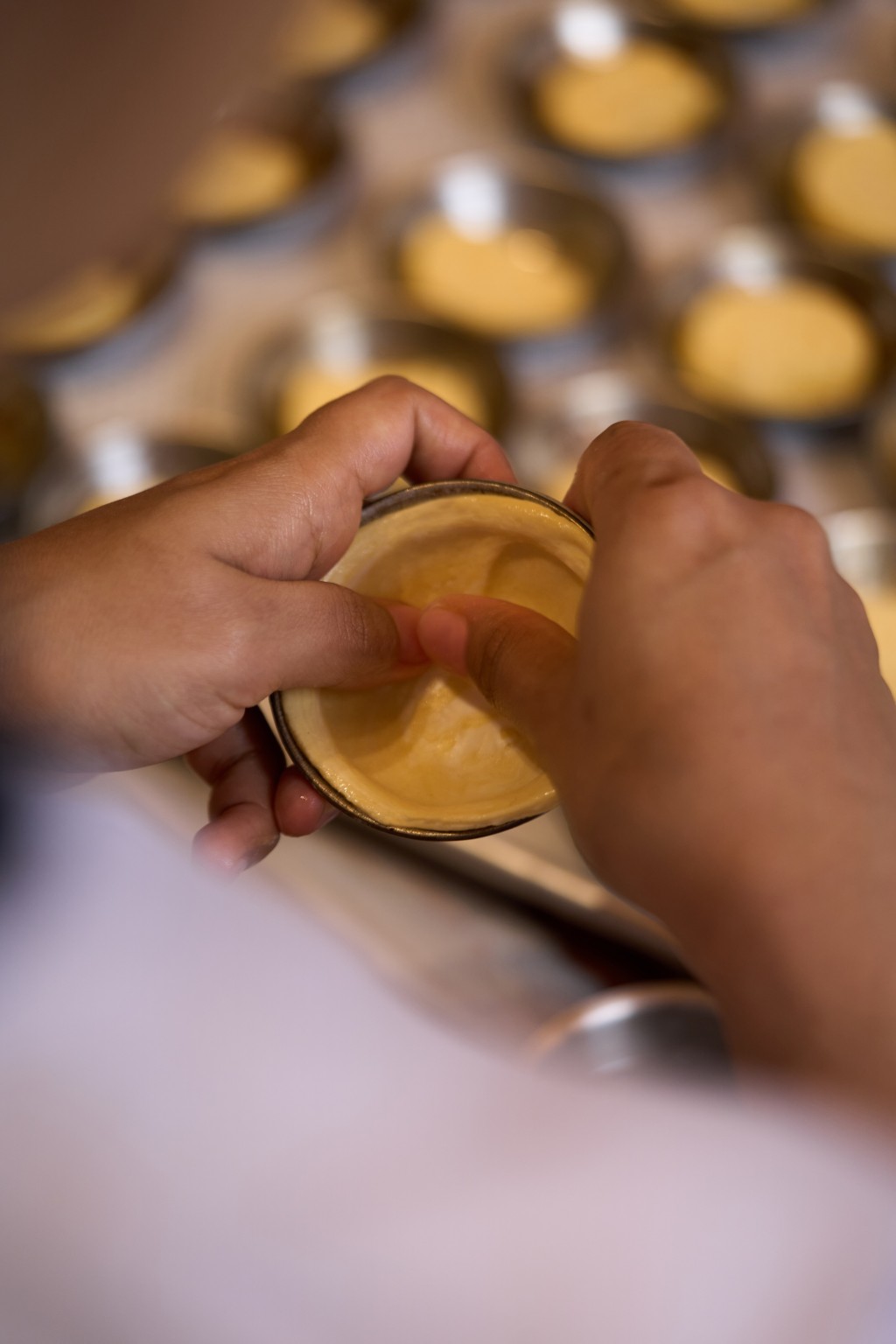
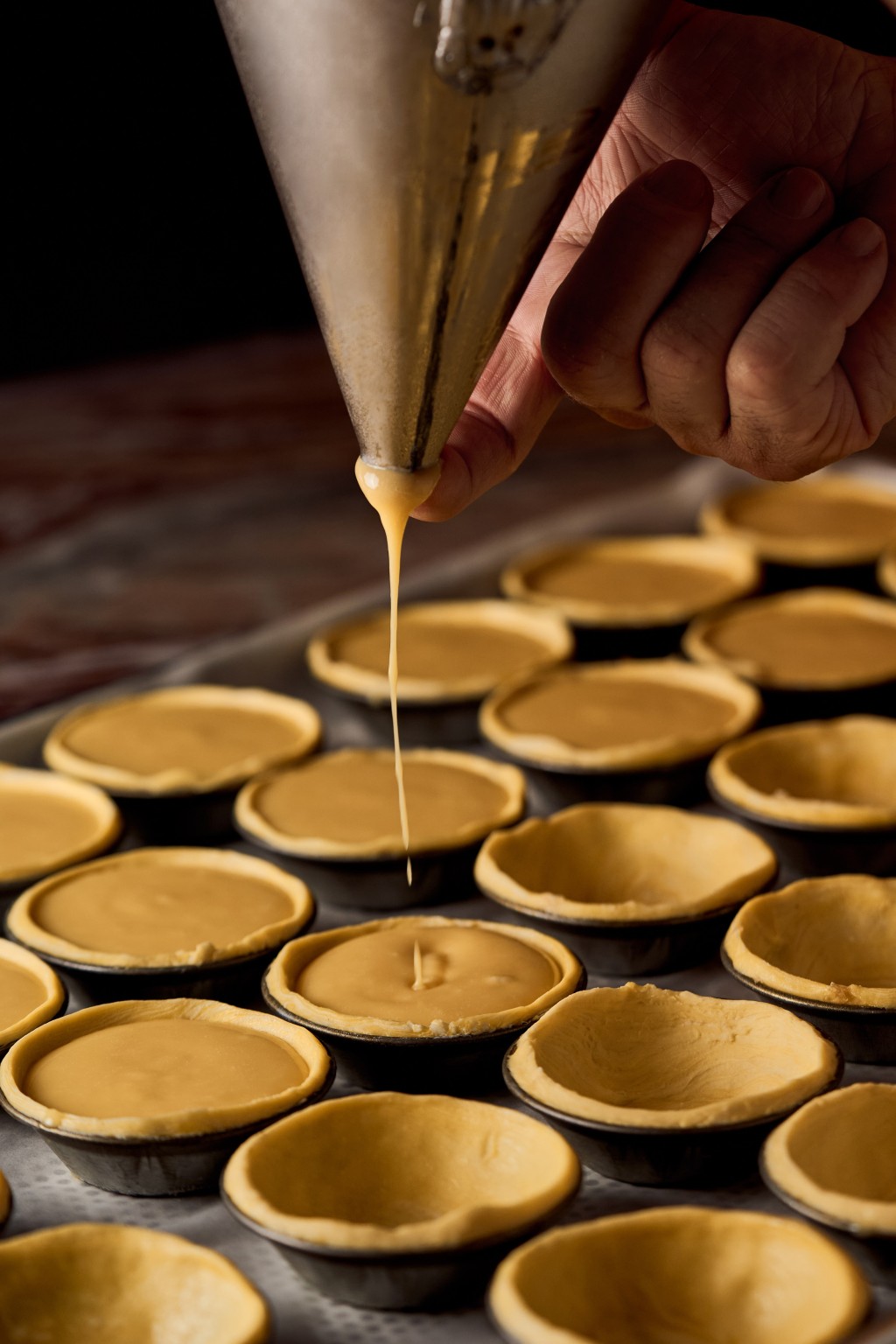
Its Hong Kong branch features an open kitchen allowing visitors to watch the bakers laminate pastry, prepare custard and bake each batch at high heat.
+1
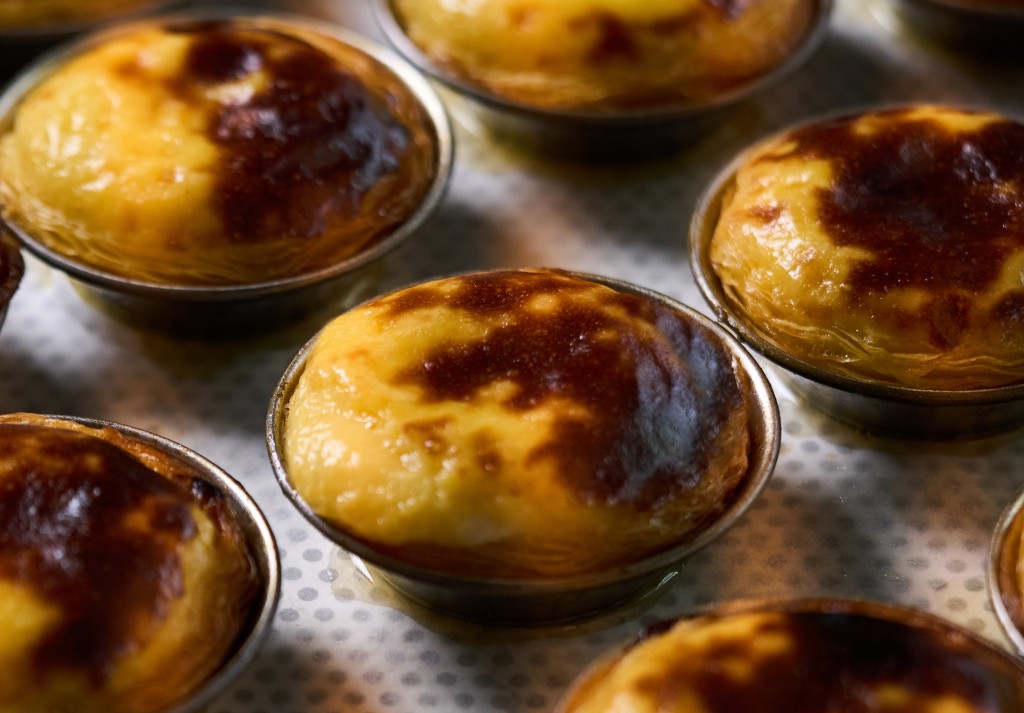
The bakery’s signature tart is based on a traditional Portuguese recipe said to date back more than 300 years. The finished pastry has a crisp, flaky shell and a soft custard center, with dark caramelized patches formed during baking.
Several batches are prepared on-site each day, with pastries scheduled to leave the oven at 10am, noon, 2pm, 4pm and 6pm. Bells are rung when a fresh batch is ready.
Founder Francisco Oliveira said Hong Kong’s food culture was an important consideration when choosing the city for the bakery’s first Asian shop.
“Hong Kong has one of the most exciting and dynamic food cultures in the world,” he said. “We are incredibly excited to introduce authentic Portuguese pastéis de nata to the city and create a bakery experience that combines tradition, craftsmanship, and innovation.”
While the bakery has retained the character of its original tart, the recipe has been adjusted slightly for Hong Kong, where customers may prefer desserts that are less sweet. The aim, according to the bakery, was to find a balance between the Portuguese recipe and local tastes without changing its essential flavor and texture.
The opening menu also includes two other must-try items.
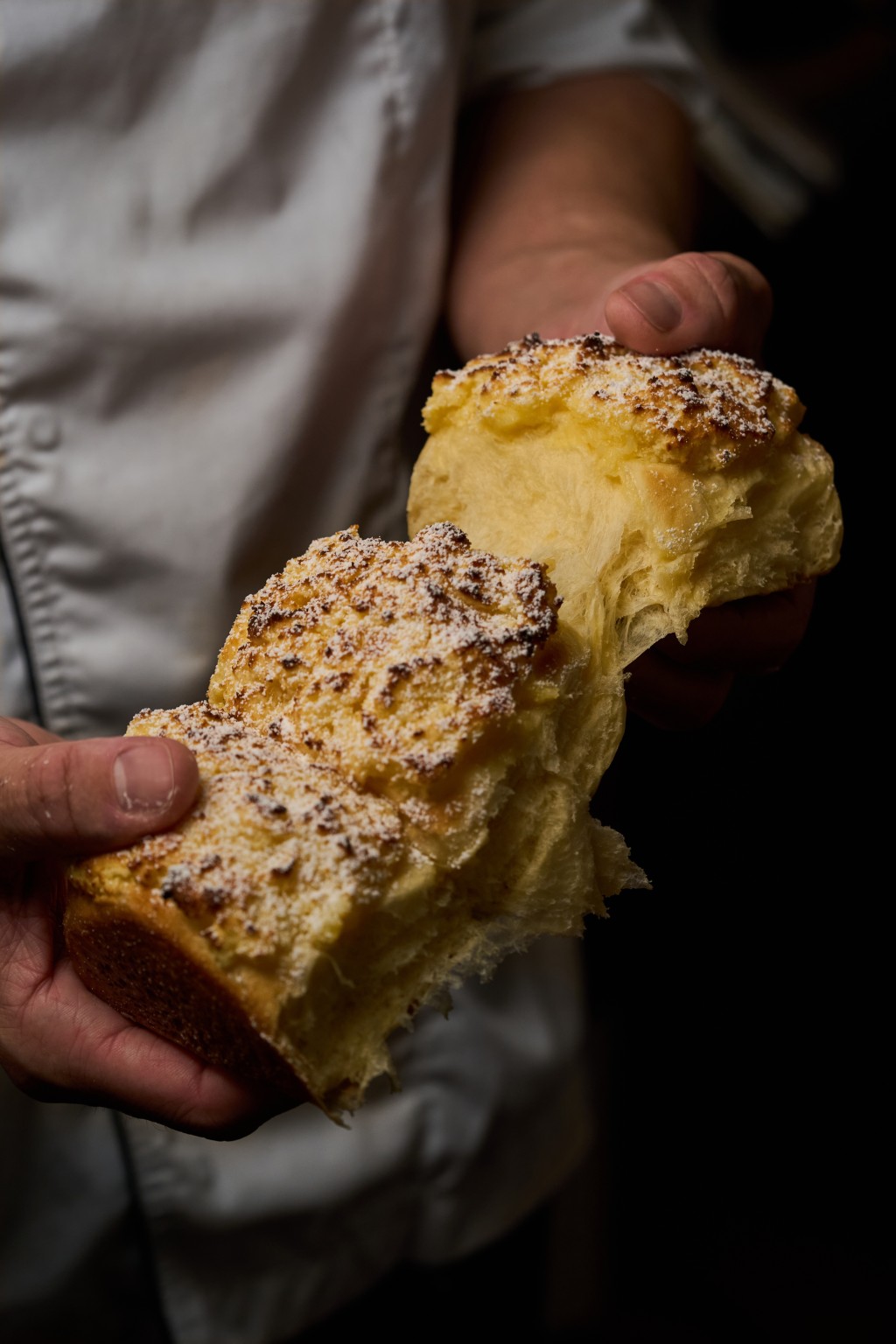
Pão de Deus, or “God’s Bread,” is traditionally a soft Portuguese sweet bread topped with coconut. Santa Nata’s version takes inspiration from Hong Kong-style coconut buns and uses a Japanese-style pillow bun technique. The bread is filled with coconut paste and topped with nata custard before being baked.
Pão de Deus (HK$25), literally translated as God’s Bread in Portugal — a traditional Portuguese sweet bread reimagined with a Hong Kong influence.
The Santa Nata Brioche, meanwhile, is based on a Portuguese croissant, which is generally softer and more bread-like than its flaky French counterpart, although it is shaped in the familiar crescent form. The brioche also comes in another version with nata cream.
Foodies must also try out their nata latte and nata milk tea - both ideal companion for the pastéis de nata.
Beyond the three regular items, the Hong Kong branch plans to introduce items on a rotating basis, with limited-edition desserts, seasonal pastries and creations influenced by local flavors appearing every one to two months.
The Central opening comes as pastéis de nata have become increasingly common outside Portugal, appearing in bakeries and cafes across Europe and Asia.
Amid the cafes, restaurants and traditional food shops around Central and Sheung Wan, the new arrival offers another interpretation of a pastry Hong Kong diners already know well — this time served warm from the oven, with its Portuguese origins kept firmly in view.