As we count down to the opening game of FIFA World Cup 2026, local and global businesses are projected to generate over US$10 billion (HK$78 billion) in revenue from industries such as tourism, infrastructure, retail, and media. In terms of beverages sales, beer is the typical stadium drink and the most obvious choice for watch parties. Investment bank Jefferies has estimated global beer consumption will surge by over 500 million liters during June and July. In addition to beer, fans are likely to also go for the national drinks of the competing countries, such as tequila for Mexico, vodka for Poland, and sake for Japan. How about wine?
Last year, Taittinger was named the official FIFA World Cup Champagne. Beyond that, how strongly is wine associated with football? Other than France, Spain, and the United States, which major players in this tournament are also known to be quality wine producers? There are actually more than you think! Let’s extend fantasy football to wine and pick your favorite team in both contexts.
The match dates are according to Hong Kong local time.
Mexico vs South Africa (June 12) – It’s all about Chenin Blanc
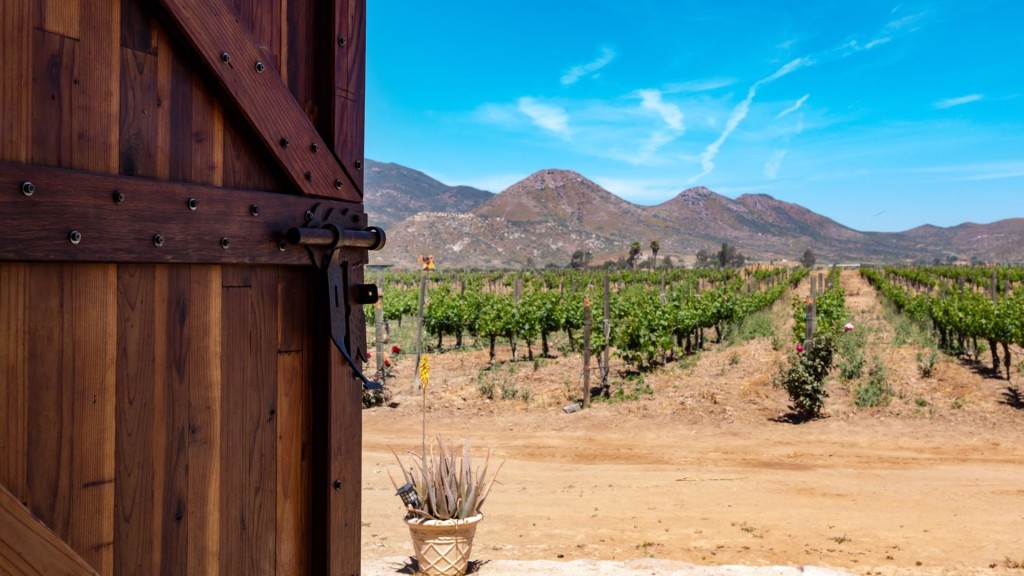
South Africa makes more than half of all the Chenin Blanc in the world. Its production is double that of the next highest producer, France, from where the grape variety originated. Winemakers in South Africa prize Chenin for its ability to retain high levels of acidity in a wide range of climates, and for this exact reason, the grape variety also thrives in the semi-arid Mexico! Primarily found in Baja California of northwestern Mexico, Chenin Blanc is one of the most widely planted white grape varieties there and exhibits characters of bright orchard fruits, citrus peel, and salinity.
England vs Croatia (June 18) – the sparkling race
The British love bubbles. However, because the climate in England was long considered too cold for grapevines, the country has historically relied on its neighbor France to supply Champagne. With the phenomenon of global warming, the production of English bubbles gradually took shape over the last 30 years, and now traditional-method sparkling wines from British wineries such as Nyetimber and Gusbourne are highly-regarded. Croatia also shares this passion for fizz. Outstanding sparkling wines, called pjenusac, are made across all four of its major wine regions. In particular, the hilly and picturesque Plesivica in the center of the country is referred to as the “Champagne of Croatia” with its steep vineyards and high percentage of premium sparkling wines.
Switzerland vs Canada (June 25) – the merlot countries
Snow-capped mountains are not the only common feature between these two countries. In fact, the rain shadow effect rendered by the Alps and the Cascade Mountains has made viticulture possible in Ticino of Switzerland and Okanagan Valley of Canada, respectively. Thanks to the shelter, the vineyards enjoy a warm and dry weather during the growing season. Merlot adapts and ripens well under these conditions and forms the cornerstone of both wine regions.
Alice Wong is a certified wine educator based in Hong Kong