Read More



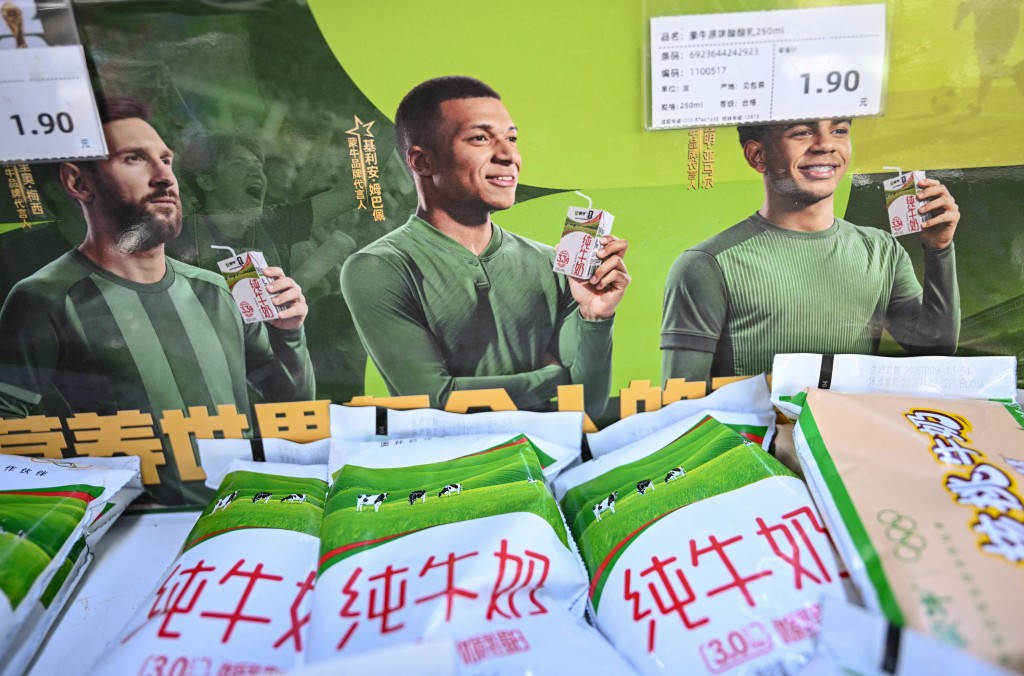


Global sports stars who have drawn China's ire
27-10-2026 17:56 HKT
Citi’s Wealth Symposium 2026 stresses portfolio resilience amid AI frenzy
27-10-2026 16:31 HKT



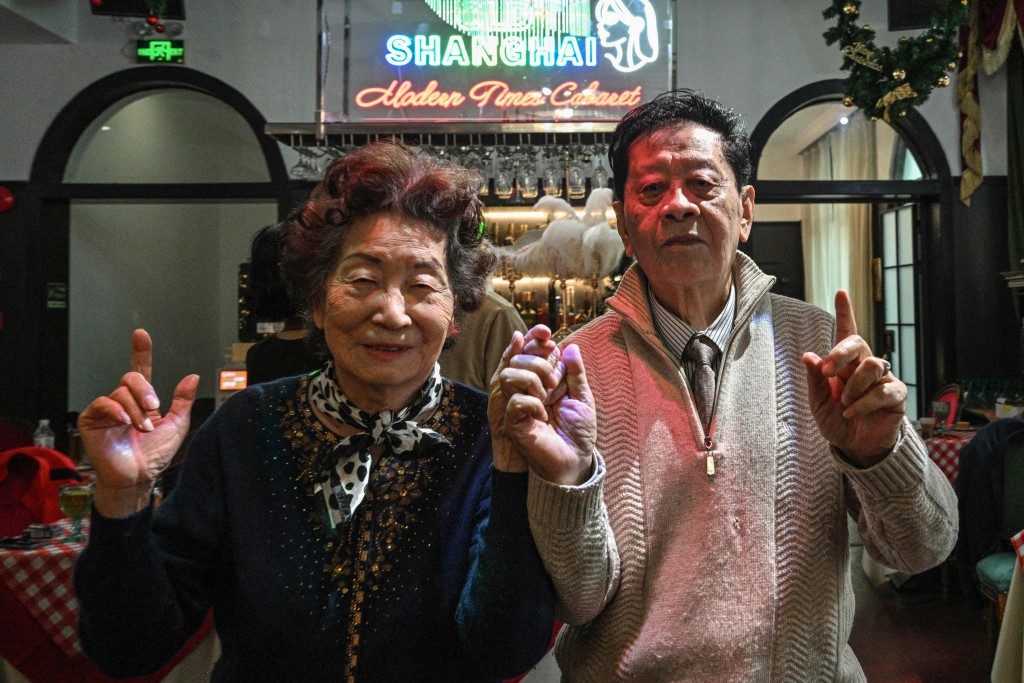
Retirement in China is shifting from simply living longer to aging better,as a wealthier generation of retirees trades frugal twilight years for ballet lessons, mountain hiking, and preventive healthcare, according to a Citigroup research report.
Having accumulated wealth through decades of rapid economic growth, rising wages, and property appreciation, China's "young elderly"—broadly defined as those aged 50 to 64—are entering retirement with both the financial means and willingness to invest in their quality of life, Citi analysts wrote in the third installment of their China Silver Economy series.
The demographic shift represents one of China's most significant long-term structural themes. The country's population aged 60 and above reached 323.4 million at the end of 2025, accounting for 23 percent of the national total, while annual births fell to 7.92 million from 14.65 million in 2019, according to National Bureau of Statistics data cited in the report. With roughly 10 million people joining the over-60 bracket annually through 2030, Citi identified insurance, sportswear, and health supplements as the primary corporate beneficiaries of an increasingly active senior cohort.
Shrinking family sizes are transforming elderly care from a private family duty into a commercial ecosystem.China's average household size fell to 2.62 people in 2020 from 3.10 a decade earlier, and roughly 60 percent of citizens aged 60 and older lived alone or only with a spouse in 2021.
To bridge the care gap, Chinese life insurers are aligning their business models with the government's "9073" framework—under which 90 percent of seniors age at home, 7 percent rely on community services, and 3 percent reside in institutional facilities. Rather than operating as standalone profit centers, these care ecosystems act as customer acquisition engines that lock in affluent policyholders. Citi estimates senior-care services could facilitate up to 3.6 trillion yuan in insurance premiums by 2030, comprising 2.3 trillion yuan from home-based care and 1.2 trillion yuan from institutional retirement communities.
Among listed insurers, Citi prefers Ping An Insurance (2318) for its asset-light, home-based care network and China Pacific Insurance (2628) for its institutional rehabilitation facilities:
China's seniors are increasingly redirecting budgets from their children toward self-improvement and outdoor recreation. Citing Accenture consumer research, Citi noted that 39 percent of Chinese consumers aged 55 to 65 planned to increase spending on fitness and sports in 2025, up from 27 percent in 2021. Over the same period, the share planning to spend more on their children's education dropped to 15 percent from 37 percent, while those prioritizing savings fell to 42 percent from 50 percent.
Regular sports participation among citizens aged 60 and above climbed to 33.9 percent in 2025, more than doubling from 14.9 percent in 2015, according to the State General Administration of Sport. Older shoppers are also outspending younger cohorts on clothing: consumers aged 50 and up devoted 7.3 percent of their per-capita expenditure (2,800 yuan annually) to apparel in 2025, compared with the 5.4 percent national average (1,500 yuan). In purchasing decisions, 55 percent of over-50 consumers ranked "health and safety" as their top priority,ahead of practicality (52 percent) and price promotions (45 percent).
Government policy is reinforcing the trend. In July 2026, the State Council issued the National Fitness Plan (2026–2030)—mandating senior-focused fitness centers and R&D for age-appropriate gear—alongside the Boosting Consumption Plan, which aims to lift total retail sales to 60 trillion yuan by 2030 with an explicit focus on the silver economy. Local governments have followed suit; Shanghai built 200 subsidized senior sports centers by the end of 2025, charging monthly memberships of just 99 yuan, and plans to add over 100 more by 2030.
Mirroring demographic trajectories in Japan and South Korea—where sportswear's share of total apparel and footwear sales expanded steadily as populations aged—outdoor gear has become the fastest-growing segment in China's sportswear market, with retail sales of outdoor apparel and footwear growing at compound annual rates of 24 percent and 18 percent, respectively, between 2020 and 2025.
While surveys show Chinese retirees feel socially and mentally fulfilled, many report lower satisfaction with their physical health, spurring demand for preventive nutrition. Basic health literacy in China nearly doubled from 17.0 percent in 2018 to 33.7 percent in 2024, according to the National Health Commission, while recent purchase penetration for health supplements among consumers aged 55 to 65 jumped from 38 percent in 2021 to 53 percent in 2025.
China's non-pediatric vitamins, minerals, and health supplements market expanded at a 6.4 percent compound annual rate from 2021 to reach 236.1 billion yuan in 2026, and Euromonitor projects the sector will hit 302.0 billion yuan by 2031. Calcium, multivitamins, probiotics, glucosamine, and fish oils lead total sales by value, while targeted longevity products such as Vitamin D and Co-Enzyme Q10 (up 36.8 percent annually between 2021 and 2026) rank as the fastest-growing categories.
E-commerce has served as the primary distribution catalyst, capturing 65.8 percent of China's VMHS sales in 2026 compared with 9.3 percent in 2012, as digitally fluent seniors turn to platforms like Ali Health and JD Health while ageing at home. Even so, China's per-capita VMHS expenditure of US$24.40 in 2026 remains a fraction of levels seen in the United States (US$119.60), Japan (US$67.10), and the United Kingdom (US$53.40), pointing to substantial headroom for expansion.