
Read More
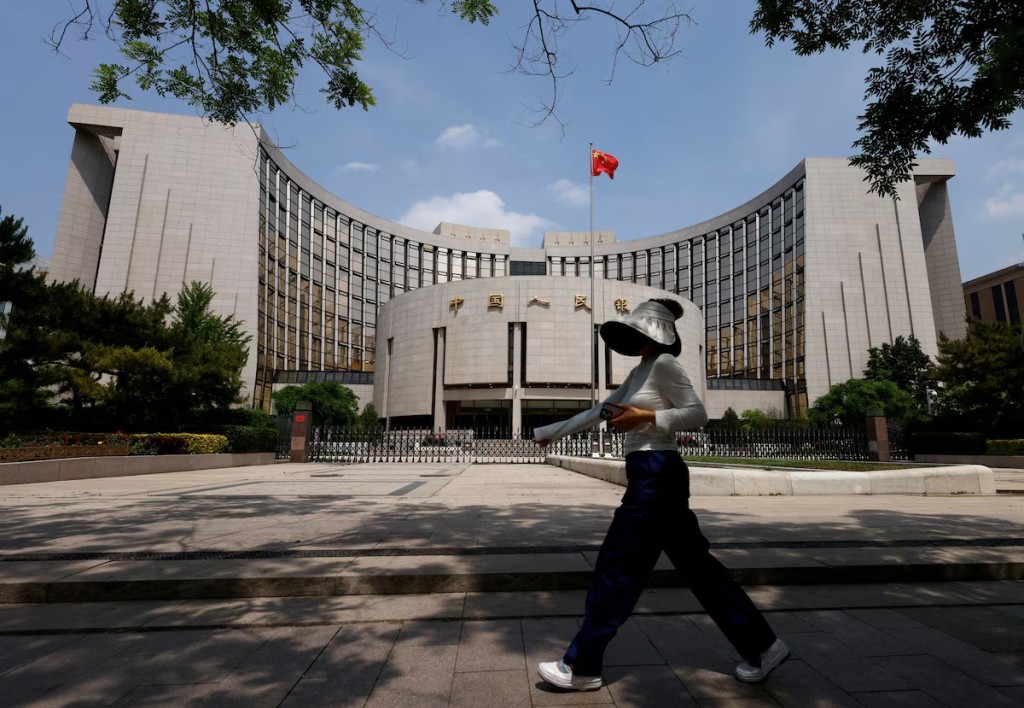
China’s central bank and several other government departments have jointly issued new guidelines to bolster financial support for the country's three primary international science and technology innovation centers: Beijing, Shanghai, and the Greater Bay Area.
ADVERTISEMENT
SCROLL TO CONTINUE WITH CONTENT
The document outlines targeted measures to strengthen regional financial synergy, align policies, achieve mutual recognition of standards, share information, and connect supporting infrastructure across the three hubs.
Tailored Regional Priorities
The guidelines set distinct strategic directions for each region while emphasizing the need for joint risk-prevention mechanisms to guard against systemic financial risks:
- Beijing (Beijing-Tianjin-Hebei): Focuses on original innovation and regional collaborative R&D, stepping up financial backing for major scientific and technological infrastructure projects.
- Shanghai (Yangtze River Delta): Leverages industrial cluster synergies to build a multi-stakeholder, collaborative tech-finance service ecosystem.
- Greater Bay Area: Aims to construct an open tech-finance system, strengthening high-level financial interaction and regulatory alignment among Guangdong, Hong Kong, and Macau.
Greater Bay Area and Hong Kong Integration
Leveraging Hong Kong’s status as an international financial center, the guidelines call for the Shenzhen Stock Exchange to accelerate its transformation into a global asset allocation platform tailored to innovative markets. The blueprint also backs the GBA in becoming an industrial finance hub and a center for generating "patient capital" that integrates Hong Kong and Macau while connecting to global markets.
To facilitate cross-border operations, authorities will actively encourage financial institutions to link China's fintech regulatory tools with the Hong Kong Monetary Authority’s Fintech Supervisory Sandbox. The directive also pledges to deepen cross-border credit reporting cooperation across the GBA and explore new mechanisms for cross-border data flows and the commercialization of intellectual property.