Read More


Alibaba unveils new AI glasses
14 hours ago



Nvidia's China AI-chip share falls as Huawei closes gap, report finds
13-10-2026 10:38 HKT


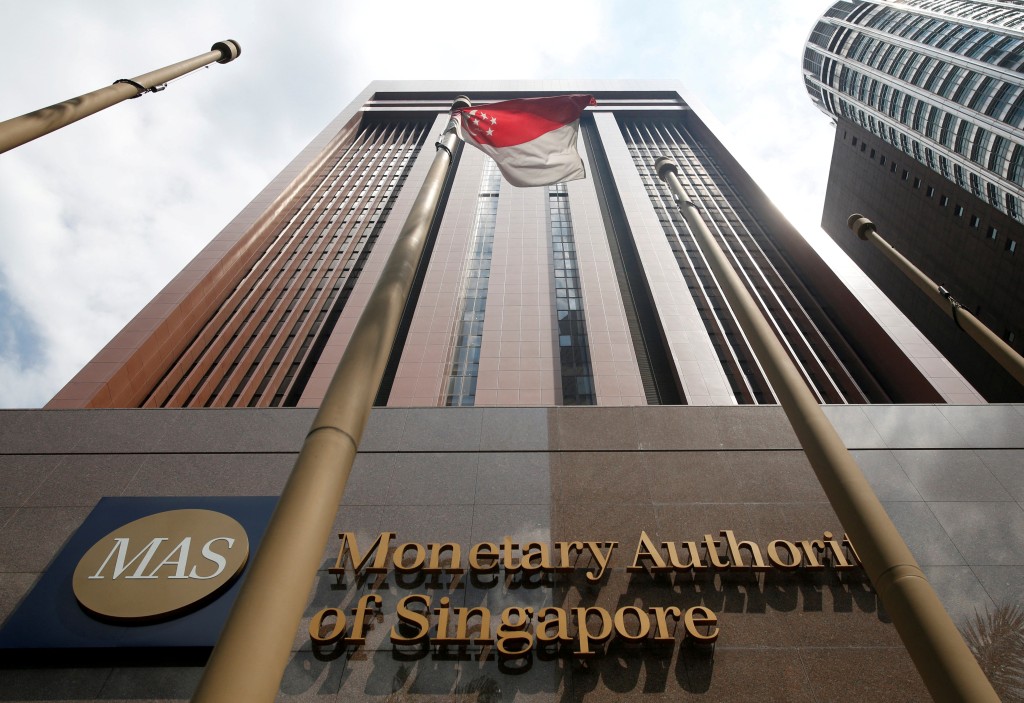
Singapore's central bank kept its monetary settings unchanged on Wednesday in a move that surprised analysts, with economic growth and inflation expected to ease slightly as the AI boom and supply constraints moderate.
All 10 analysts polled by Reuters had expected the Monetary Authority of Singapore to tighten monetary policy as robust growth and inflation risks bolstered the case for another such move.
"The Singapore economy should continue to expand at a firm pace in the immediate quarters ahead, and moderate thereafter as the AI cycle eases from its exceptional pace and global financial conditions tighten," the MAS said in a statement. "Core inflation is projected to ease discernibly from the middle of next year, as supply-driven imported inflation slows and domestic costs stay subdued."
OCBC economist Selena Ling said she was surprised and that it must have been a close call for the central bank.
"MAS's assessment of the core inflation trajectory is key - while remaining slightly elevated in the immediate quarters ahead, its expected to ease more discernibly from mid-2027 as supply-driven imported inflation slows and domestic costs stay subdued," said Ling.
The central bank said it would maintain the prevailing rate of appreciation in its exchange rate-based policy band known as the Singapore dollar nominal effective exchange rate, or S$NEER.
There would be no change to the width of the policy band or the level at which it is centred, it said.
"The current appreciating policy band will allow the S$NEER to continue to strengthen and lean against the anticipated near-term rise in imported inflation, ensuring the gradual easing of inflationary pressures in 2027," the MAS said.
The Singapore dollar held steady at 1.2802 per US dollar after MAS kept policy unchanged.
The central bank surprised markets in July by "very slightly" tightening policy, adding to a similar move in April this year.
Preliminary government data earlier on Wednesday showed the economy grew 5.4 percent in the third quarter of 2026 from the same period last year.
Core inflation in August stood at 2.2 percent, official data showed last month.
On Wednesday, MAS narrowed its core and headline inflation forecasts to 1.5 percent–2 percent and 2 percent respectively, from 1.5 percent–2.5 percent.
Maybank economist Chua Hak Bin said rising interest rates and a K-shaped labour market will help contain wage cost pressures and work in MAS’s favour.
"Whether MAS tightens further remains open-ended and will depend on how energy prices and the AI-led boom evolves," Chua said.
In August, the trade ministry upgraded its growth forecast for this year to 4.5 percent to 5.5 percent, from 2.0 percent to 4.0 percent, saying the impact of the Middle East war had been less severe than initially feared while the global AI investment boom had been stronger than expected.
Instead of using interest rates, Singapore manages monetary policy by letting the local dollar rise or fall against the currencies of its main trading partners within the undisclosed S$NEER trading band.
It adjusts policy via three levers: the slope, mid-point and width of the policy band.
Reuters