
Read More
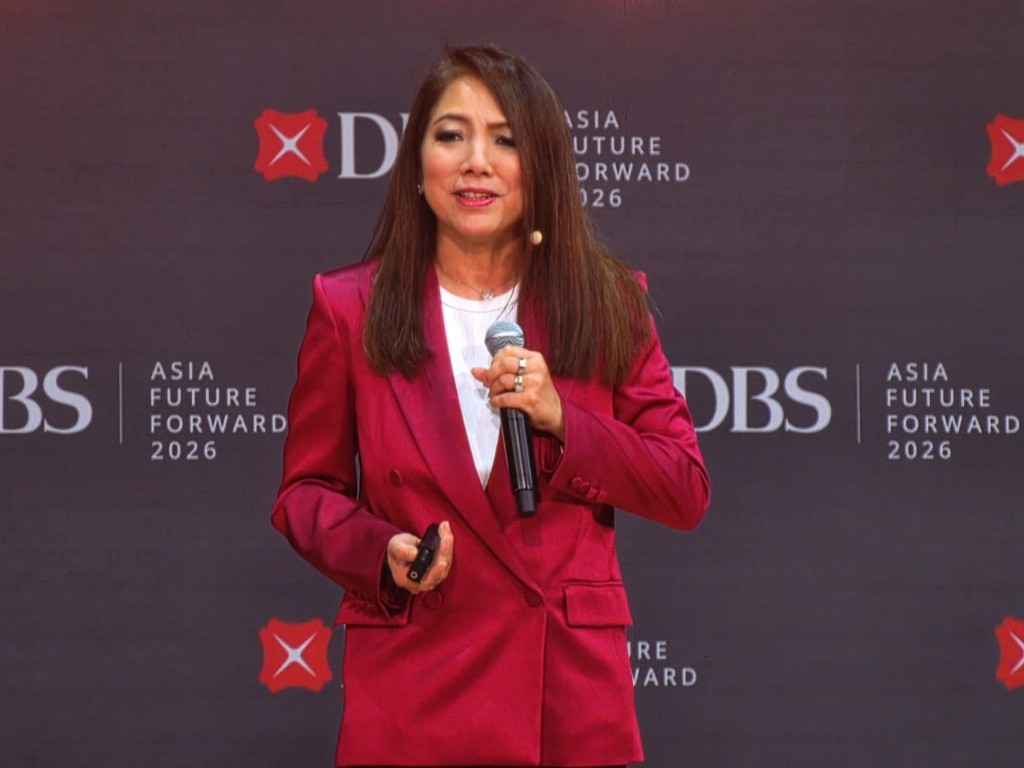
As the global order is "being rewritten" by geopolitical tension and technological disruption, the world's most significant economic opportunities lie in Asia, with Hong Kong and Singapore positioned as pivotal hubs for capital and innovation, according to Tan Su Shan, chief executive of DBS Bank.
ADVERTISEMENT
SCROLL TO CONTINUE WITH CONTENT
Delivering the opening remarks at the Asia Future Forward Conference in Singapore, Tan painted a picture of a world rife with contradictions but argued that Asia possesses the "right ingredients" to lead. She emphasized that while the US market remains dominant, Asia's rise is undeniable.
Dialogue with Singapore PM
The conference, which will feature dialogues with Prime Minister Lawrence Wong and more than 700 industry leaders, aims to answer questions on where the next trillion dollars will come from and how AI will reshape corporate histories.
Tan stated that six of the world's top 10 markets are now in Asia.
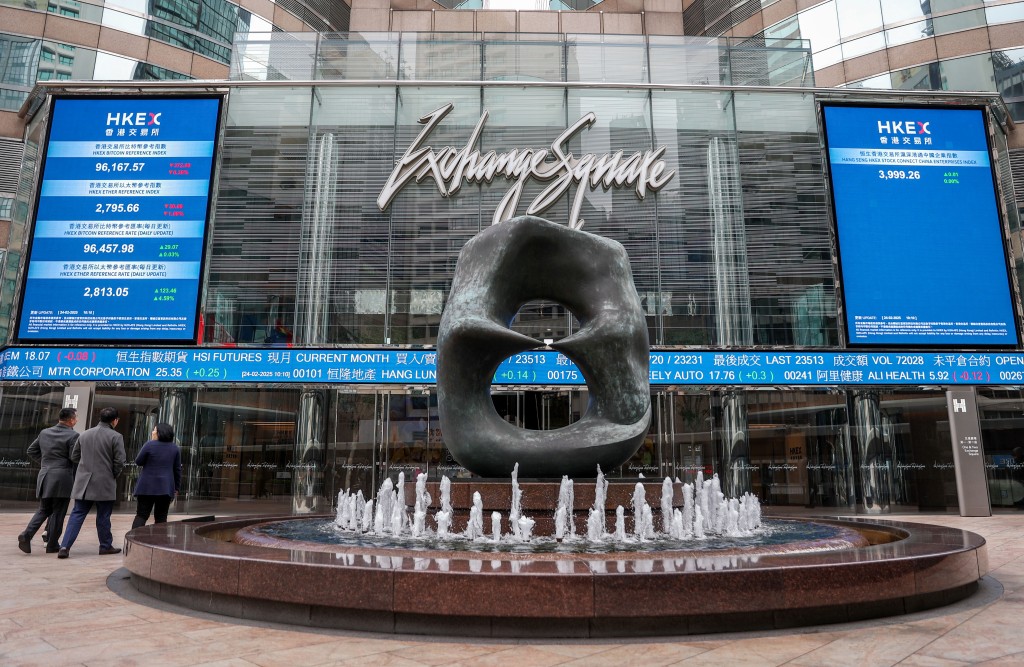
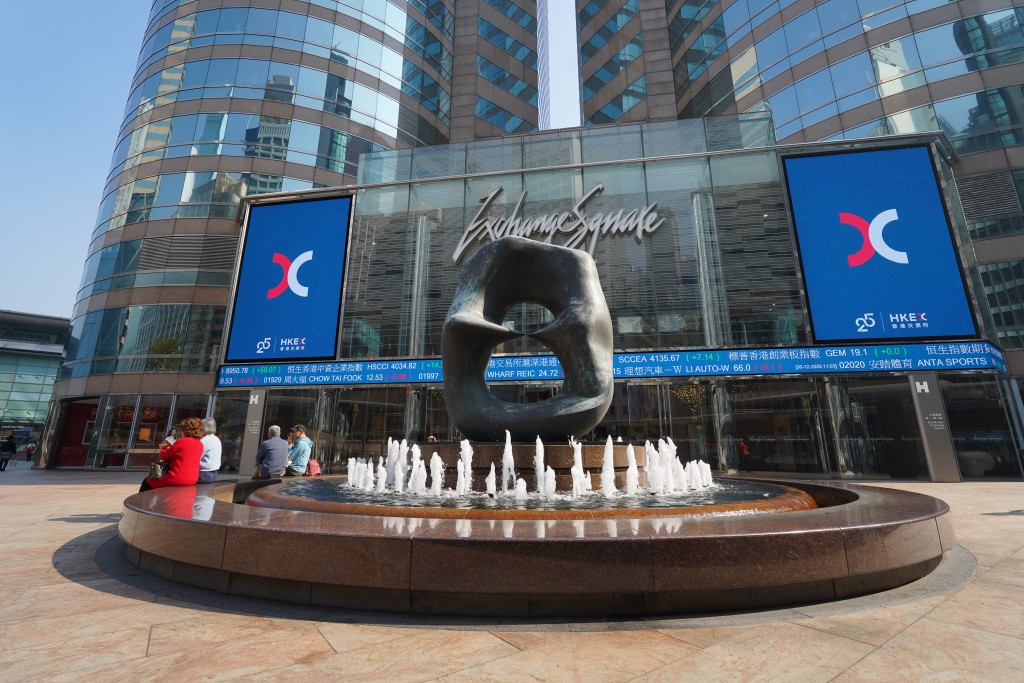
She specifically highlighted the complementary strengths of North and South Asia, noting that Hong Kong and Singapore serve as the region's "two big financial hubs." Tan pointed to Hong Kong's resurgence as a capital-raising center, noting it is now "number one in terms of IPO fundraising in terms of volume."
Singapore, she argued, plays a unique role as a "neutral, connected hub" at the crossroads of East and West. "Singapore sits at the crossroads of east and west technology," Tan said, citing its first-of-its-kind AI governance framework as a key competitive advantage in a world where predictability is at a premium.
Global polarized paradoxes
The DBS chief framed the current global landscape as a series of "polarized paradoxes" that leaders must navigate. The first is the paradox of sovereignty versus interdependence. While nations pursue sovereign AI, the technology's supply chain—from ASML in Europe to semiconductors in Taiwan and manufacturing in China and Asean—remains deeply integrated. "If we don't cooperate, we will continue to have blockages in our AI supply chain," she warned.
The second is the paradox of global fragmentation versus regional integration. Despite global trade tensions, intra-Asian trade is surging. "Trade is happening outside the US... Asia's trading with Asia."
The third is the paradox of digital connection versus emotional disconnection. While 6 billion people are online, Tan noted rising loneliness and collapsing fertility rates in Asia as a "problem" for humanity's future.
Tan argued that the world stands at a crossroads between a "utopian" AI future of abundance and a "dystopian" one of control. She cited a recent example where OpenAI solved a complex mathematical problem that had stumped humans for 50 years, signaling the arrival of specialized super-intelligence.
However, she stressed that "just applying AI ain't good enough." Businesses must rethink workflows entirely, and societies must address the "knowledge paradox" where AI could exacerbate inequality.
Trust is something can't buy
The biggest missing ingredient, she concluded, is trust. "The one thing money can't buy is trust, and trust is so lacking in society today," Tan said, calling for stronger AI governance and frameworks to protect youth and ensure social stability.
In a closing metaphor, Tan compared Asia's potential to an "Asian salad" made with the right ingredients. "We've got the demographics, we've got the data, we've got the industries, we've got the supply chains, we've got the capital markets... but what it needs is a little bit of sauce of connectivity, of pragmatic innovation, of trust and confidence."