






Read More



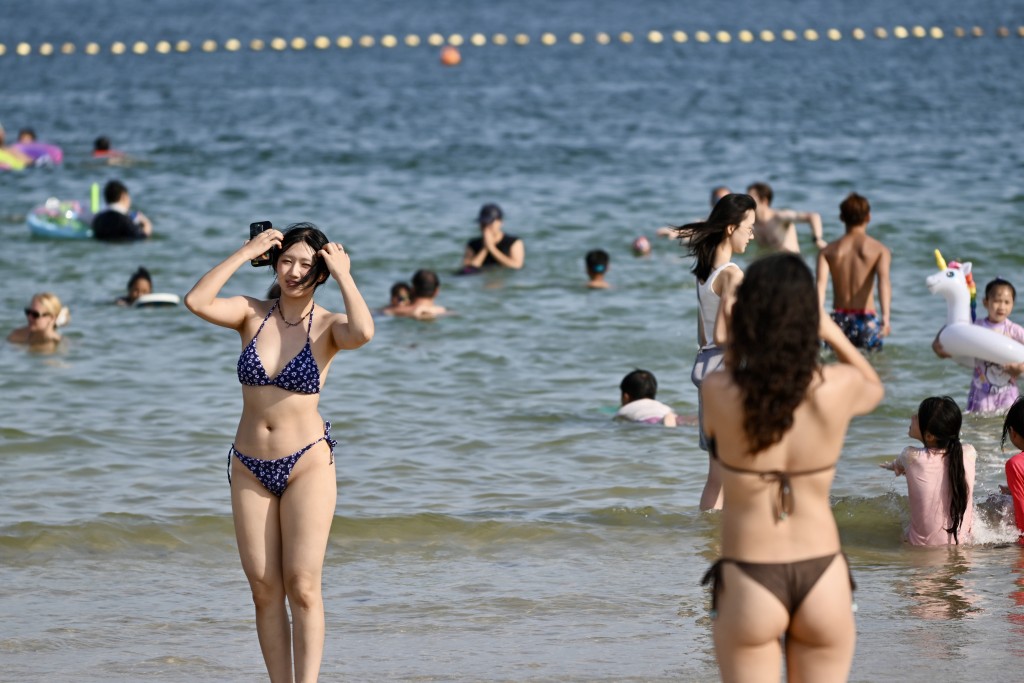
September heat ranks among highest on record as Hong Kong turns drier
05-10-2026 18:24 HKT

Abby Choi's remains found in soup pots with carrots, court hears
05-10-2026 13:53 HKT


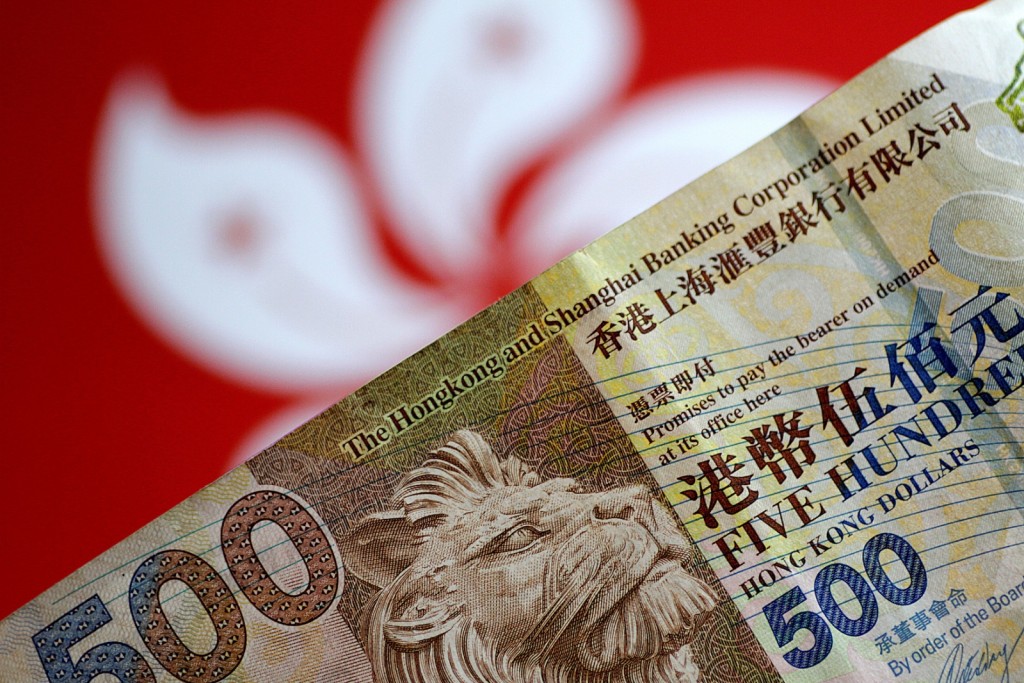
Hong Kong dollar is moving closer to the weak-side convertibility undertaking (CU) of 7.8500 since mid-June, with carry trades incentivized by the widening Hong Kong dollar-US dollar interest rate gap and weaker equity-related demand for the currency, according to Hong Kong’s de facto central bank.
Eddie Yue Wai-man, chief executive of the Hong Kong Monetary Authority, said the Hong Kong dollar was traded between 7.8300 and 7.8380 for the most part in April and May. Since mid-June, it has gradually eased to the recent range of about 7.8460-7.8475.
Yue noted that the Federal Open Market Committee of the Federal Reserve raised its benchmark rate target by 25 basis points in September, reiterating that it remained concerned about elevated inflation. Taken together with the chairman’s easing monetary policy stance, it suggested that if inflation was to persistently stay above target, the Fed still had room to take further action to curb inflation.
Meanwhile, artificial investments, geopolitical tensions, rising energy prices, and faster US economic growth are adding pressure to US inflation.
Yue said the market-implied policy path has moved higher, adding that if inflation continues to show no signs of regressing, the Fed may need to hike rates again sometime between the rest of 2026 and the first half of 2027.
Additionally, Hong Kong dollar interbank interest rates have generally remained at low levels relative to US dollar rates, save for temporary bouts of tightness, Yue said.
He also noted that the anticipated widening of the Hong Kong dollar-US dollar interest rate differential has prompted market participants, including banks and fast money, to cut their Hong Kong dollar positions, which weakens the currency.
Furthermore, Yue said demand for Hong Kong dollars has slowed, as local equity market activity has retreated from its mid-year elevated levels recently against the backdrop of volatile global equity markets. Also, the effects of earlier large-scale fundraising activities have subsided.
He added that seasonal factors such as quarter-end liquidity needs and peak dividend payment periods have now eased, resulting in a corresponding decline in demand for the Hong Kong dollar, further leading to its easing.