


Read More



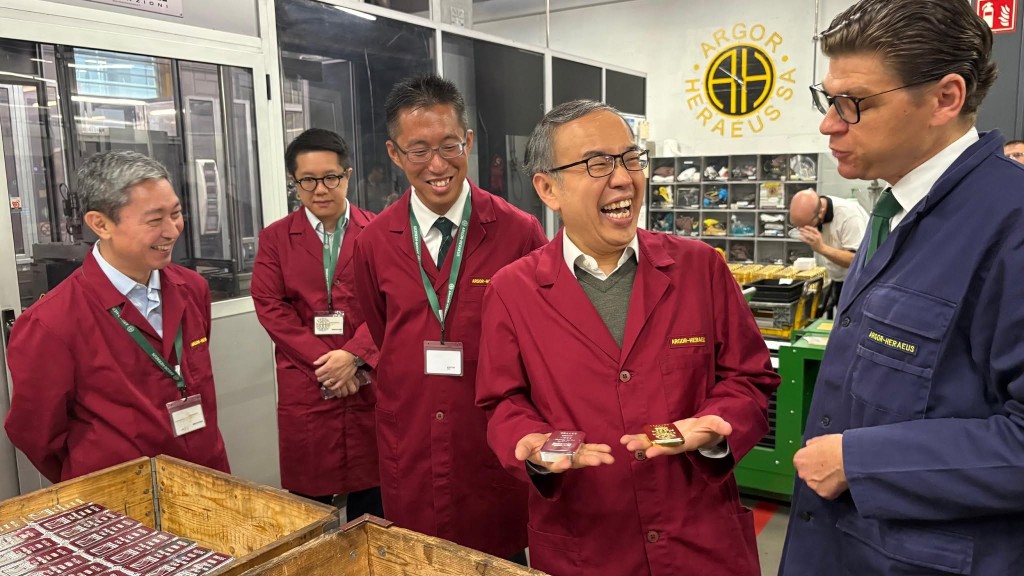
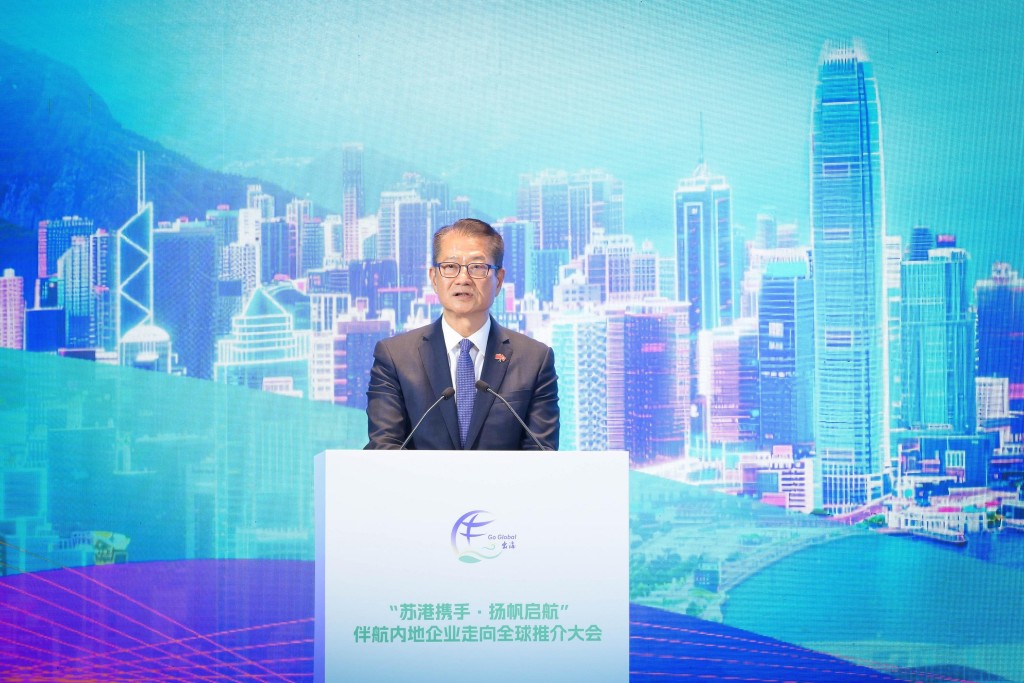

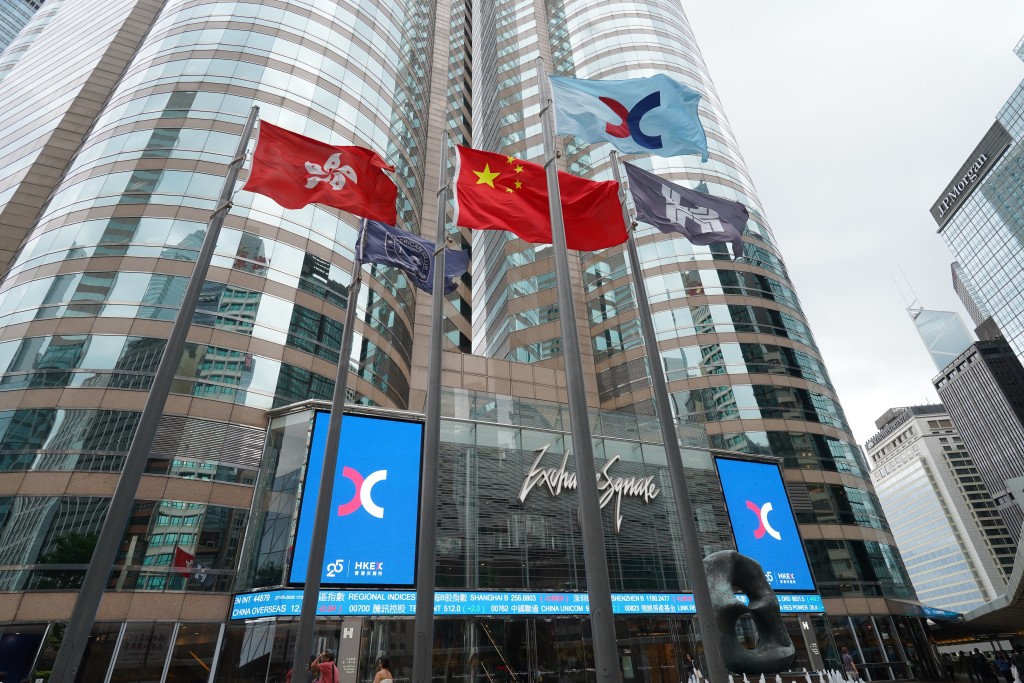





Hong Kong is accelerating plans to establish a central clearing system for gold trading, with a pilot launch targeted within this year, the city’s Financial Secretary Paul Chan Mo-po said in a blog post.
Chan highlighted growing international demand for diversification away from US dollar assets, noting that gold has increasingly become a key reserve asset for central banks, an investment product, and a hedge against risk.
He added that the city’s gold spot market had become more active, with daily trading volume on the Hong Kong Gold Exchange more than doubling year-on-year to HK$2.9 billion by November 2025. However, Chan pointed out that current over-the-counter transactions require bilateral settlement between parties, which has created operational inefficiencies.
At the upcoming Asian Financial Forum, the Hong Kong government will sign a memorandum of understanding with the Shanghai Gold Exchange, unveiling further details on the development of the central clearing system and preparing for future market connectivity with Chinese mainland.
Meanwhile, Chan said the city is accelerating the digitization of logistics infrastructure and the broader trade ecosystem. By leveraging innovative technologies and integrating relevant data, the government aims to improve efficiency and management in trade logistics, while also helping businesses access financing more easily to adjust strategies and capture new market opportunities.
Under the government's guidance, the Hong Kong Monetary Authority is collaborating with multiple government departments to advance the CargoX project, which seeks to streamline trade financing for small and medium-sized enterprises by harnessing freight and trade data.
Chan said the government will release CargoX’s latest roadmap this week, which includes 20 proposed measures.
Looking ahead, Hong Kong’s next fiscal budget is scheduled for release on February 25. Chan noted that in considering policy proposals, the government will take a balanced approach, weighing factors such as the global macro-political and economic environment, challenges in the city’s economic transformation, short- and long-term social development needs, and the need to manage public expenditure growth.