China's exports topped forecasts in November, buoyed by a boost from a tariff truce with the US even as weak factory activity and vanishing returns from front-loading point to a challenging 2026.
Outbound shipments from the world's second-biggest economy grew 5.9 percent year-on-year, customs data showed on Monday, reversing from a 1.1 percent contraction a month prior, and beating a 3.8 percent forecast in a Reuters poll.
Imports were up 1.9 percent, compared to a 1.0 percent uptick in October. Economists had expected a 3.0 percent increase.
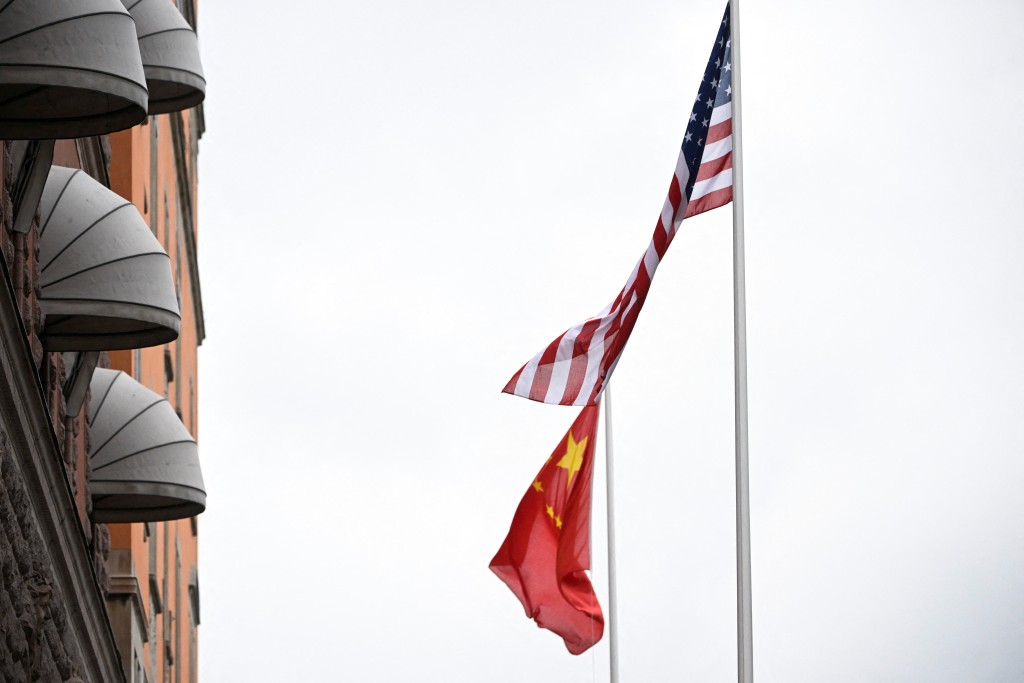
November kicked off with news that the United States and China had agreed to scale back some of their tariffs and a raft of other measures after President Donald Trump and his Chinese counterpart Xi Jinping met in South Korea on October 30.
Economists estimate that diminished access to the US market has reduced China's export growth by roughly 2 percentage points, equivalent to around 0.3 percent of GDP.
October's unexpected downturn, following an 8.3 percent surge the month prior, signalled that Chinese exporters' tactic of front-loading US-bound shipments to beat Trump's tariffs had run its course.
Although Chinese factory owners reported an improvement in new export orders in November, they were still in contraction, underscoring continued uncertainty for manufacturers as they struggle to replace demand in the absence of US buyers.
An official survey tracking broader factory activity showed that the sector contracted for an eighth consecutive month.
China's trade surplus stood at US$111.68 billion in November, from US$90.07 billion recorded the previous month, and beating a forecast of US$100.2 billion.
Reuters