Read More
The US Commerce Department announced Friday morning that it will ban U.S. business transactions with Chinese-owned social apps WeChat and TikTok on Sunday, CNBC reports.
ADVERTISEMENT
SCROLL TO CONTINUE WITH CONTENT
The announcement comes ahead of an expected statement Friday by President Donald Trump on whether or not the government will approve a deal for Oracle to take a minority stake in TikTok and become a “trusted technology partner” for the company in the U.S.
It’s unclear if the Commerce Department’s announcement means there’s no possibility of a deal going through before the Sunday deadline, and it could be an aggressive move from the Trump Administration to push for its original intention for TikTok to be fully owned by a U.S. company.
“At the President’s direction, we have taken significant action to combat China’s malicious collection of American citizens’ personal data, while promoting our national values, democratic rules-based norms, and aggressive enforcement of U.S. laws and regulations.” Commerce Secretary Wilbur Ross said in a statement Friday.
Friday’s announcement from the Commerce Department is an enforcement of Trump’s original executive order from August 6 that gave TikTok 45 days to sell its U.S. business to a U.S. company or face a ban in the U.S. WeChat, which is one of the most popular social messaging apps in the world, is owned by the Chinese company Tencent.
TikTok’s parent company is the Chinese company ByteDance. Trump’s executive order cited national security concerns over the Chinese government’s access to user data in those apps to justify the potential ban.
The Commerce Department’s statement on Friday said that starting September 20, U.S. companies will be banned from distributing WeChat and TikTok, meaning the two major mobile app stores run by Apple and Google will have to remove the apps from their libraries. The statement also blocks U.S. companies from providing services through WeChat “for the purpose of transferring funds or processing payments within the U.S.”
But the Commerce Department’s announcement also lays out a separate time frame specific to TikTok, which takes affect on November 12.
The rules that start November 12 include provisions that block U.S. companies from providing internet hosting and services for TikTok. This could be directed at the deal being negotiated between TikTok and Oracle, which would provide cloud services for TikTok if Trump approves, and could give TikTok and Oracle more time to hammer out a deal that will satisfy the president.
In an interview with Fox Business on Friday, Ross said the bans will affect TikTok and WeChat differently at first.
He said TikTok will still function if it’s already installed on a device, but users will not be able to upgrade the app. It is still unclear what kind of functionality WeChat will have in the U.S. after September 20, and it’s unclear whether or not TikTok will still be allowed in mobile app stores, but not allowed to provide updates to users.
“It’s not doing the same thing to TikTok as to WeChat,” Ross said on Fox Business. “...As to TikTok, it’s just upgrades, maintenance things like that, that would be shut down at this stage. The real shutdown would come after November 12 in the event that there is not another transaction. So it’s very different how the way the two are being handled.”
WeChat is a popular marketing and sales tool for U.S. companies primarily in China, but around the world as well. With U.S. social apps like Facebook and Instagram banned in China, WeChat is the primary app people use for social networking and e-commerce. It’s also a popular app used by people in the U.S. to communicate with people in China, since U.S. apps are banned in China.
It’s also notable that TikTok’s November 12 deadline is more than a week after the Nov. 3 presidential election, meaning Trump won’t be accused of banning a popular app used by 100 million Americans before they cast their votes. In an interview posted on Snapchat last month, Trump confidant Sen. Lindsay Graham said he urged the president not to ban TikTok.
Representatives for Tencent, TikTok, WeChat, Apple and Google were not immediately available to comment.
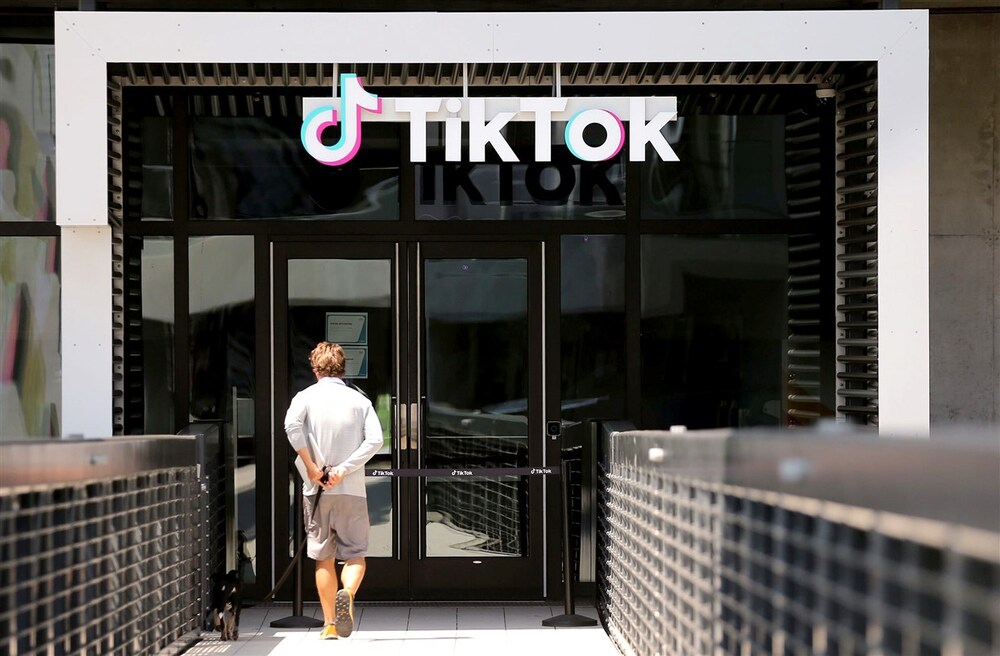
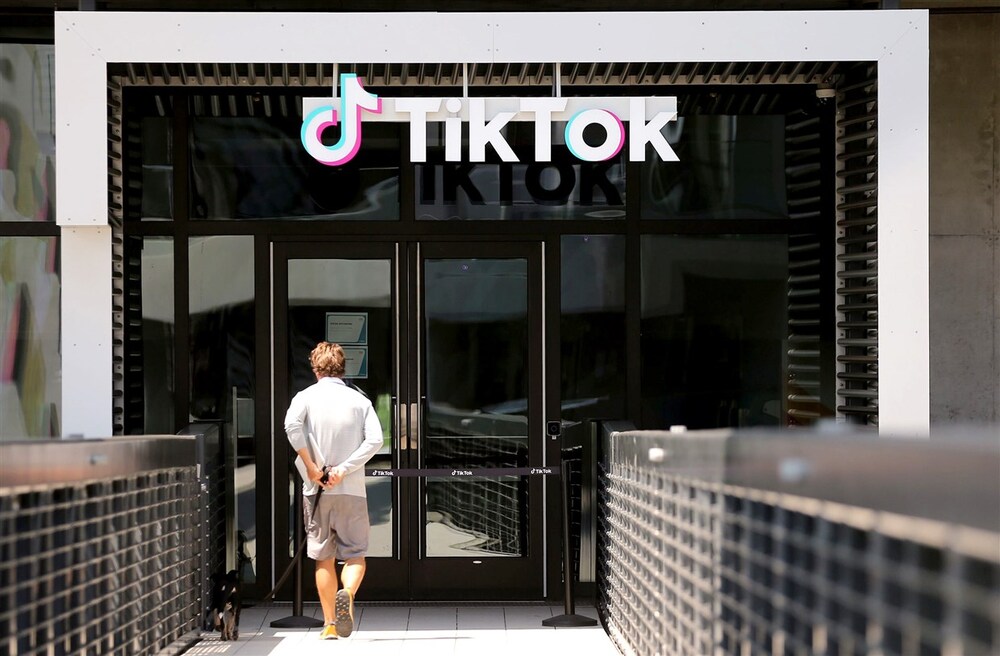
The TikTok office in Culver City, California.