






Read More


Hang Seng Index dips on Wednesday
4 hours ago



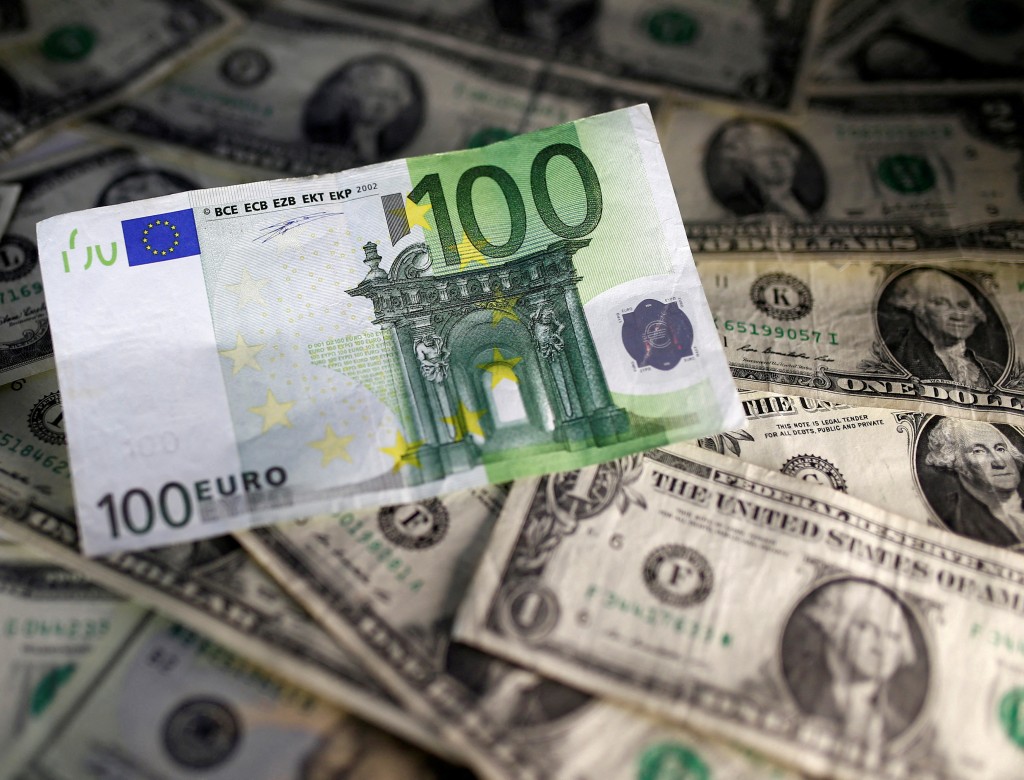
Euro sinks to 17-month low as French fiscal woes spur contagion fears
05-10-2026 14:53 HKT



Artificial intelligence and the chip boom have lifted US, Japanese, and Korean stocks in the third quarter this year, with net inflows of US equity funds surpassing Hong Kong equity funds, according to Mandatory Provident Fund (MPF) rating agency GUM.
A total of HK$17 billion flowed into US, Asian, and Japanese equity funds, said GUM's strategy and investment analytics director, Martin Wan.
The average gain per MPF member was HK$1,762 in the third quarter and HK$20,287 year to date.
US equity funds remained top choices among MPF members, recording net inflows of about HK$12.1 billion, while Asian Equity Funds and Japanese Equity Funds recorded about HK$3.7 billion and HK$1.2 billion, respectively.
Hong Kong equity funds, including index-tracking funds, recorded net outflows of over HK$10 billion year to date, as Hong Kong index constituents are dominated by traditional internet stocks that have not benefited from the AI and chip boom.
GUM highlighted a growing number of MPF members adding DIS funds, so-called “funds for lazy people”, into their portfolio. Among mixed asset funds, DIS Core Accumulation Fund and DIS Age 65 Plus Fund recorded combined net inflows of about HK$10.9 billion.
GUM's chief investment officer Christopher Lau said the global economy has yet to show signs of recession amid a US interest rate hike and a record high in the 10-year US Treasury yield.
“Higher-risk investors may still consider global equity funds and look for opportunities in US equity funds, which stand to benefit from developments in AI. Members with a moderate risk appetite may consider the DIS core accumulation fund, while lower-risk members may consider the MPF conservative fund, which benefits from the high interest rate environment and has lower volatility,” Lau said.
Meanwhile, Wan noted that members have been actively switching funds due to favorable market conditions this year, estimating the full-year net switching to reach HK$74.7 billion, about 25.5 percent higher than that in 2025, a five-year high.
GUM added that the reason for the active switching funds are because all MPF schemes have been onboarded to the eMPF Platform, and the widened return gap between asset classes – Asian Equity Funds have returned 24.3 percent year to date, while Hong Kong Equity Funds have fallen 3.8 percent – and more and more members recognize the importance of actively managing their MPF.
But the agency warned that MPF is a long-term investment spanning over 40 years, and that attempts to predict future market trends are futile. It emphasized the importance of diversifying MPF investments and making good use of the MPF System to review different markets and asset classes to mitigate potential risks and impacts amid market volatility.
Furthermore, GUM highlighted that MPF Conservative Funds had the biggest reversal in July and August, swinging from net outflows of about HK$3 billion in the first half to net inflows of about HK$2.9 billion, possibly reflecting greater caution among some members amid rising rate-hike expectations and market volatility.