Read More




HKBU launches pioneering EMBA program at Shenzhen leaders' dinner
16-06-2026 18:11 HKT






Ocean Park cable car sends passengers on swing as typhoon winds blow
26-07-2026 18:05 HKT



By Dr. Wilbert LAW (Educational Psychologist, Chairperson) & Mr. Vergo CHENG (Educational Psychologist, PR Convenor)
Representing Division of Educational Psychology, Hong Kong Psychological Society
It is important to reflect on what truly makes learning joyful and meaningful for our children. In today’s fast-paced, achievement- driven world, learning often ties exclusively to academic scores, rankings, and awards. Yet, in its purest form, learning is a process full of curiosity, discovery, and growth.
Many parents feel pressurized to push their children to study, afraid that their children might fall behind if not so. Similarly, teachers, under the pressure of completing school curricula or preparing students for tests and examinations, need to focus heavily on subject knowledge. In doing so, this will shift children’s learning motivation from intrinsic interests, to external pressure such as competition amongst peers or fulfilling others’ expectation. Moreover, we might risk the beauty of learning being missed out: the joy of discovery, the excitement of engaging with new ideas, and the personal connection between a learner and the person sharing that knowledge.
What we often overlook is that mental and emotional well-being plays a critical role in a child’s ability to learn independently and happily. A well-supported child, who is emotionally stable, socially secure, and mentally resilient, is far more likely to become a lifelong learner than one driven by fear or pressure.
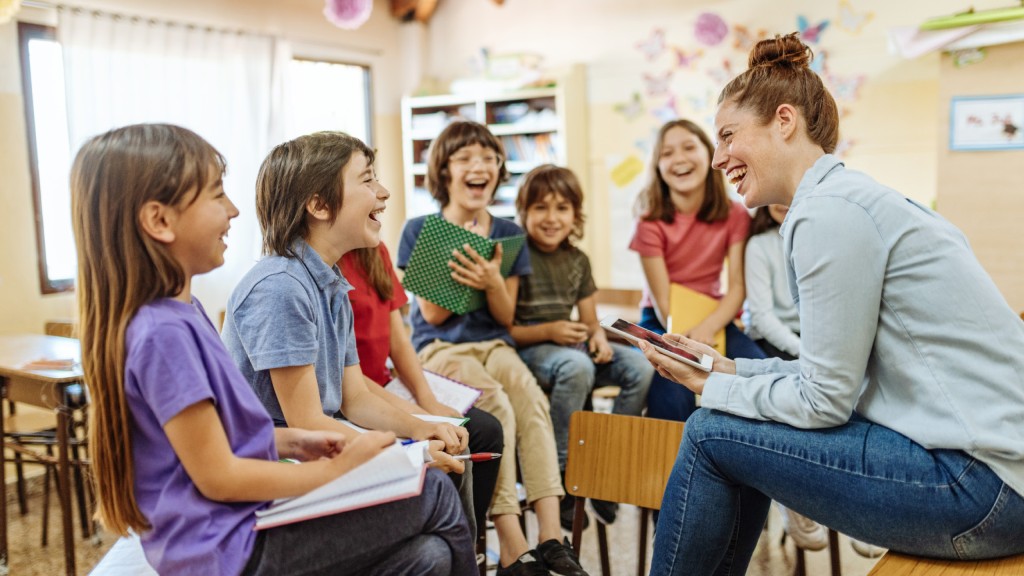
Creating a learning environment that prioritizes emotional wellness means going beyond meeting academic objectives. It means giving learners a space where they can ask questions without fear, participate freely, communicate openly, and receive feedback that helps them to grow. It relies on a nurturing relationship between the learner and their mentors — whether teachers or parents — one that’s built on trust, empathy, listening, and encouragement.
Beyond academic content, we must value emotional competence, social skills, and inter- and intrapersonal sensitivity. These are just as essential than subject knowledge in preparing our children for the realities of the world. We can see higher emphasis is placed on socio-emotional learning and mindfulness practices in the current education landscape. These are activities that will help students to regulate their emotions, improve focus, and cultivate awareness which can further empower them to be reflective and engaged learners.
As we continue to shape the future of education, let’s remember that happy learning begins with emotionally healthy learners. Let’s raise children who don’t just know answers — but who also feel confident, connected, and inspired to keep exploring the world around them.