Read More

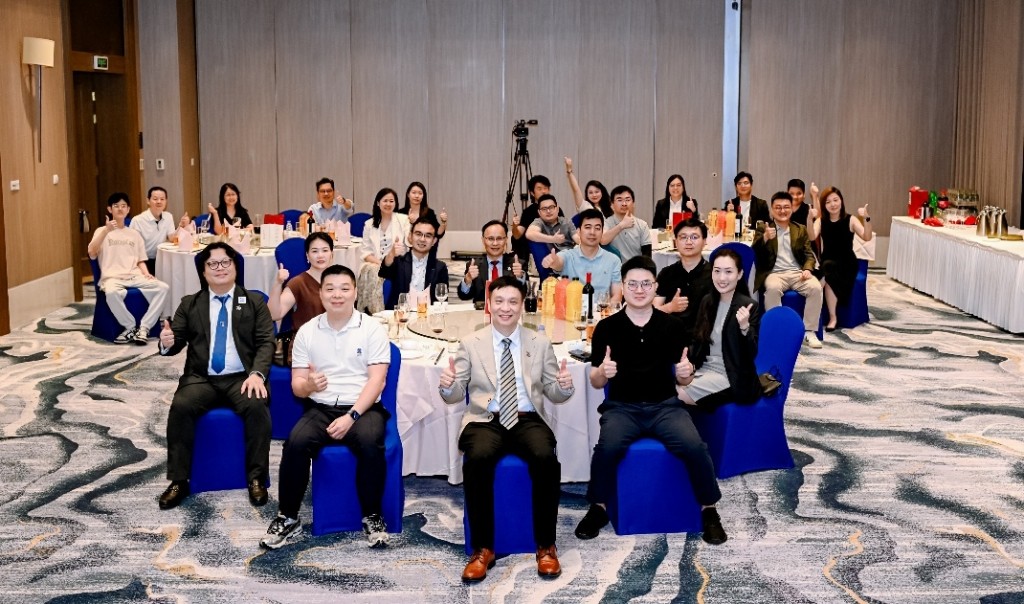
HKBU launches pioneering EMBA program at Shenzhen leaders' dinner
16-06-2026 18:11 HKT

Ocean Park cable car sends passengers on swing as typhoon winds blow
26-07-2026 18:05 HKT
At Bloom Academy, the future of education is already in motion. Bloom is reimagining what it means to prepare students for a world in flux, where adaptability, creativity, and purpose-driven action matter more than rote knowledge or traditional metrics of success.
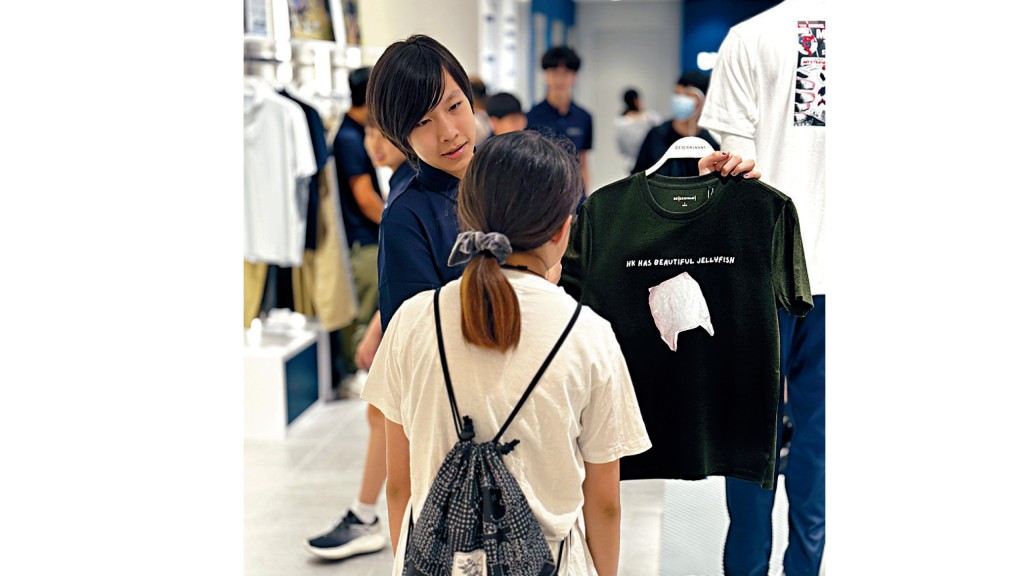
At Bloom Academy, the future of education is already in motion. Bloom is reimagining what it means to prepare students for a world in flux, where adaptability, creativity, and purpose-driven action matter more than rote knowledge or traditional metrics of success.
“Learning by doing, learning by experience, that’s where deep understanding really takes root.” At the center of this pioneering approach is Principal Renee Boey, whose vision challenges the boundaries of the classroom.
Ms Boey helped launch Bloom as Hong Kong’s first school of innovation. She believes the cornerstone of future-ready learning lies in entrepreneurship, not as a business elective but as a mindset embedded across disciplines. “Every Bloom student goes on a journey of entrepreneurship. It’s not an after-school club, it’s part of the DNA of how we learn.”
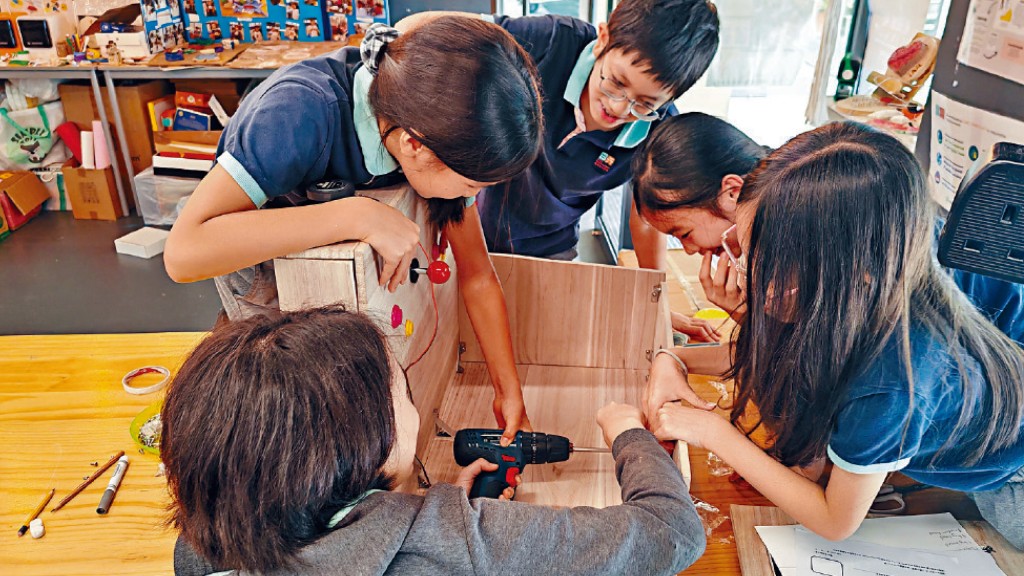
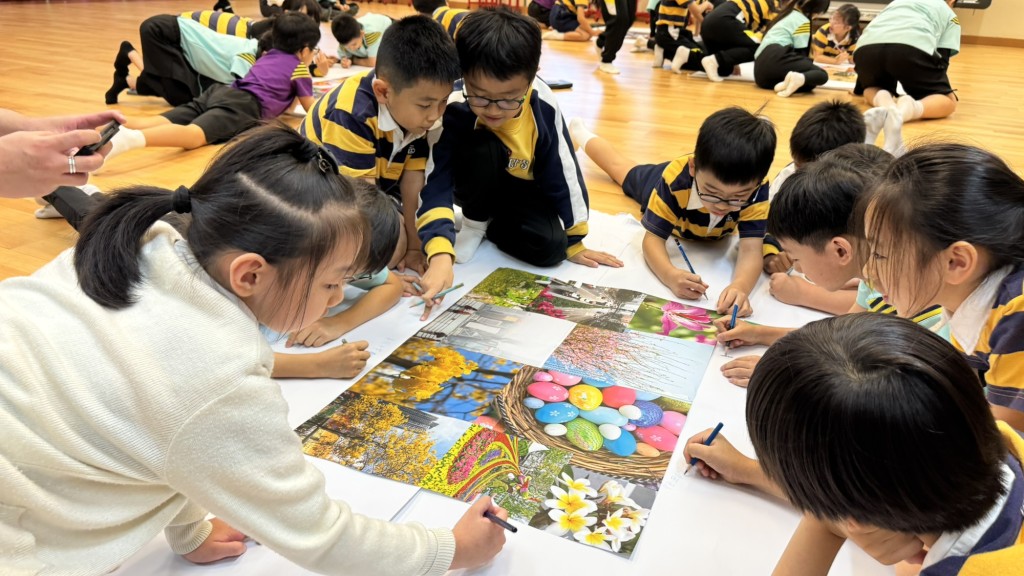
In the primary years, Bloom lays the groundwork through project-based learning and collaboration. Students take part in Explore, Create, Share (ECS) — an interdisciplinary program connecting geography, history, social studies, art, and science. Each theme is taught bilingually, strengthening both cognitive flexibility and cultural understanding.
From early on, students practice design thinking, learning how to investigate questions, conduct research, and build context for their learning. While following UK, Chinese, and Singapore curricula, what makes Bloom distinctive is the application of these standards through real-world projects. For example, when designing a perfect home, students might research traditional architecture, explore material science, study climate impacts, and even use CAD modeling to prototype their designs.
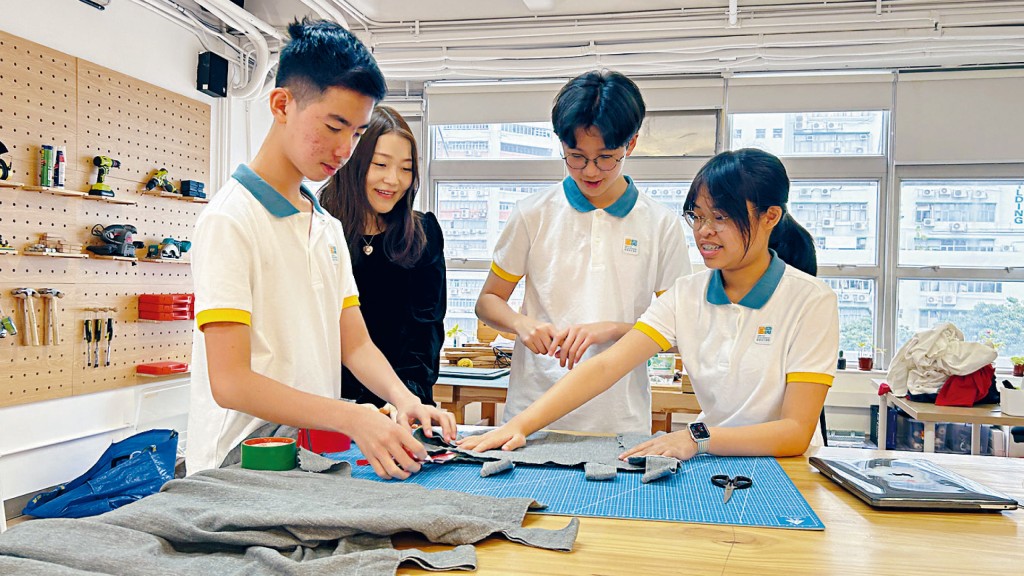
This foundation grows in the secondary years. Beginning in Grade 7, all students complete a year-long course in design thinking and social entrepreneurship, exploring areas such as food and fashion innovation. They work with real companies, design business models, and learn to pitch. From there, they move into STEAM studios to tackle solutions in specific fields, while afterschool programs and global collaborations expand their exposure.
“We’re very intentional about having entrepreneurship really integrated, not as a one-off program or after-school unit. It’s an ongoing journey that every Bloom student engages in each year,” she explained. This integration spans every subject. A math class might teach financial literacy through business modeling, while art supports product design, and languages and science feed into entrepreneurial projects with clear real-world purpose.
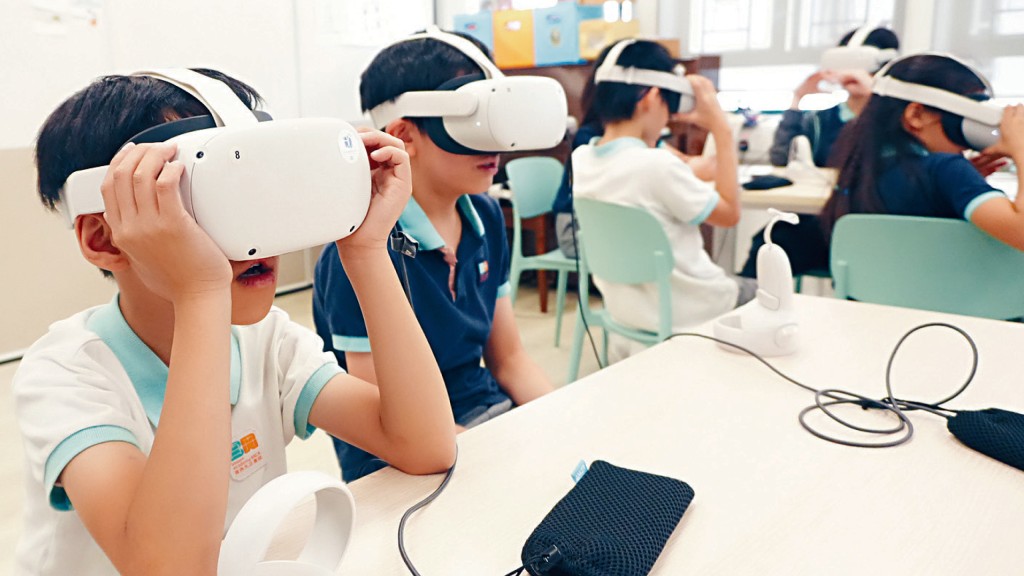
A highlight of this approach is Bloom’s partnership with Cocoon, one of Hong Kong’s leading innovation hubs. While Cocoon works with many schools, its collaboration with Bloom is unique. “Cocoon is embedding themselves in our school. They have an office here and are turning it into a future of work lab, which is so exciting, because they’re inventing something new.” Students meet entrepreneurs, innovators, NGOs, designers, and coders, seeing firsthand how ideas and technology can change the world. At Bloom, even PE, science, and language teachers embrace this entrepreneurial vision — a model that sets the school apart.
The impact is clear in student achievements. Bloom learners have collaborated with charities and businesses to design sustainability campaigns and community solutions. They have built prototypes, pitched to panels, and developed websites and social media campaigns. Some have even presented at expos, speaking directly with customers.
For many, these experiences are transformative. “If you give them experiences where professionals take them seriously… they realize they are able to do real work. That gives them confidence that impacts academics and gives them a vision of who they can be,” she said. For students who may not thrive in traditional exams, these authentic experiences unlock hidden creativity, build resilience, and open pathways to leadership.
Bloom also collaborates internationally with partners such as the New England Innovation Academy (U.S.), the Cheung Kong Social Innovation Center (Beijing), and the DH Chen Foundation, offering students access to global mentors and perspectives on trends like AI, remote work, and social entrepreneurship.
The school’s ethos rests on three mindsets — growth, entrepreneurship, and sustainability. Students are encouraged to see mistakes as opportunities, to treat problems as possibilities for creating value, and to think long-term about the planet and society. Academic rigor is balanced with well-being. “Pastoral care isn’t an add-on, it’s a foundation. Kids can’t thrive unless they feel seen, supported, and safe,” she emphasized.
In a world increasingly shaped by automation and AI, Bloom’s approach feels especially urgent. “AI is a powerful tool, but the human relationship is irreplaceable. AI can support creativity, but it should never replace it. Real learning still starts with human thought and curiosity.”
What sets Bloom apart is its unwavering belief in each child’s potential. Not only to succeed but to contribute meaningfully to society. “We’re not just preparing students for exams, we’re preparing them to live, to lead, to care. Education isn’t just the business of schools but the business of everyone who cares about the future.”
At Bloom, education is more than a pathway to university or a career — it is a launchpad for lives of purpose, creativity, and impact.
Bloom KKCA Academy
Tel: 2311 2268
Email: admissions@bloom.edu.hk
Website: www.bloom.edu.hk
Saint Too Bloom Academy
Tel: 2216 5200
Email: admissions@bloom.edu.hk
Website: www.secondary.bloom.edu.hk