Read More


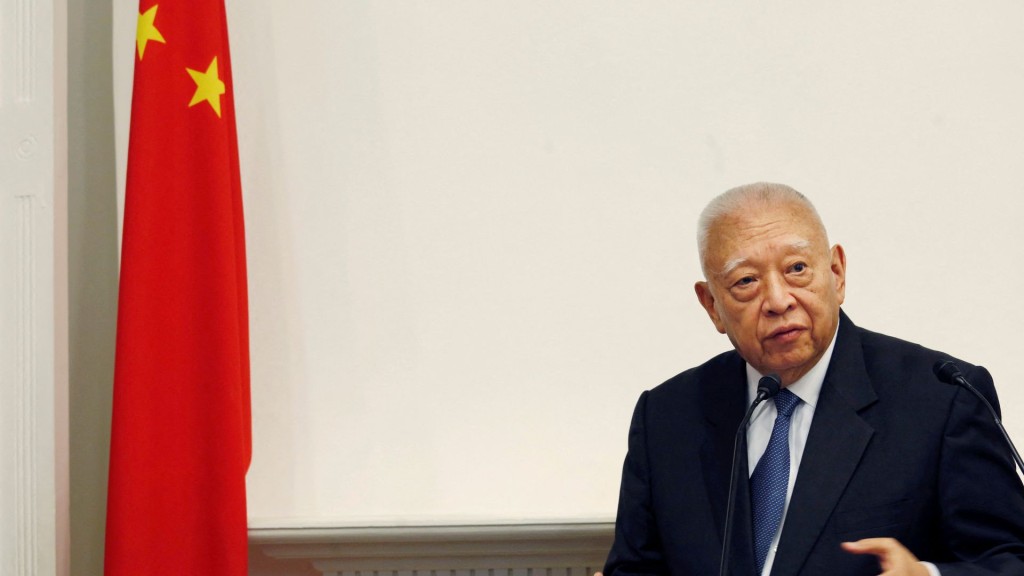



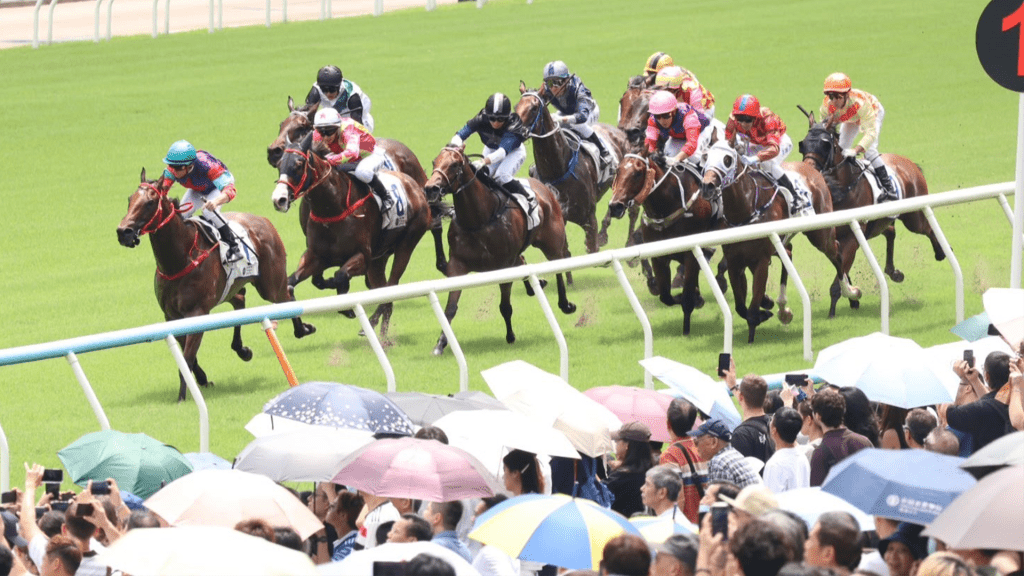
In the lead-up to the 1997 handover, then paramount leader Deng Xiaoping assured the people in Hong Kong that "horses will still run, stocks will still sizzle and dancers will still dance."
As the handover ceremony opened the first half of the 50-year period, it also became the most famous undertaking, along with Beijing's commitment to giving Hong Kong a high degree of autonomy and allowing Hong Kong people to govern Hong Kong.
That famous saying about horse racing, sizzling stocks and dancing parties has been quoted over the years.
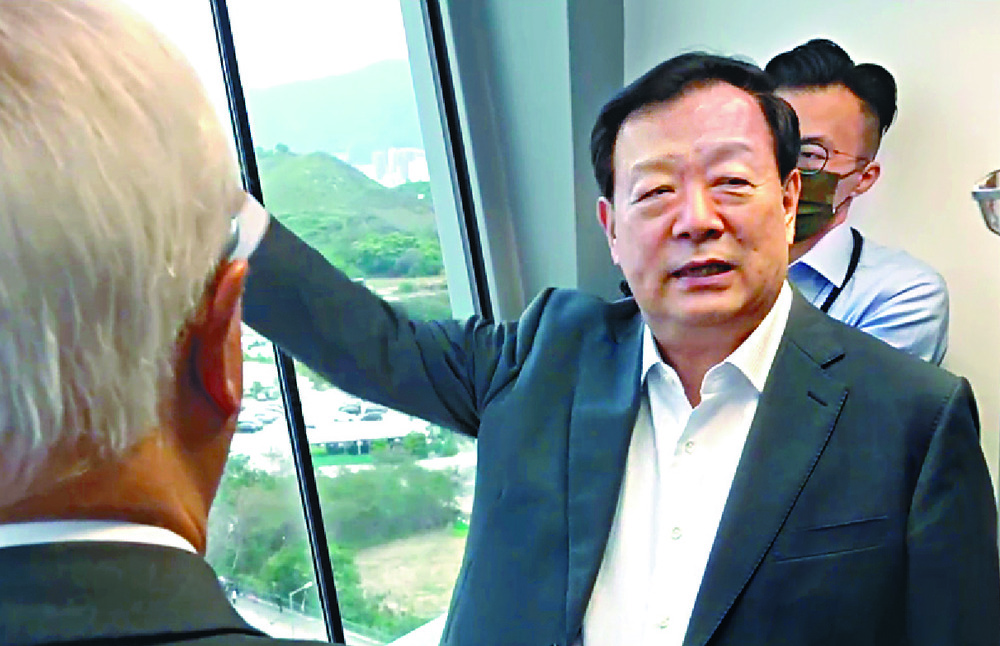
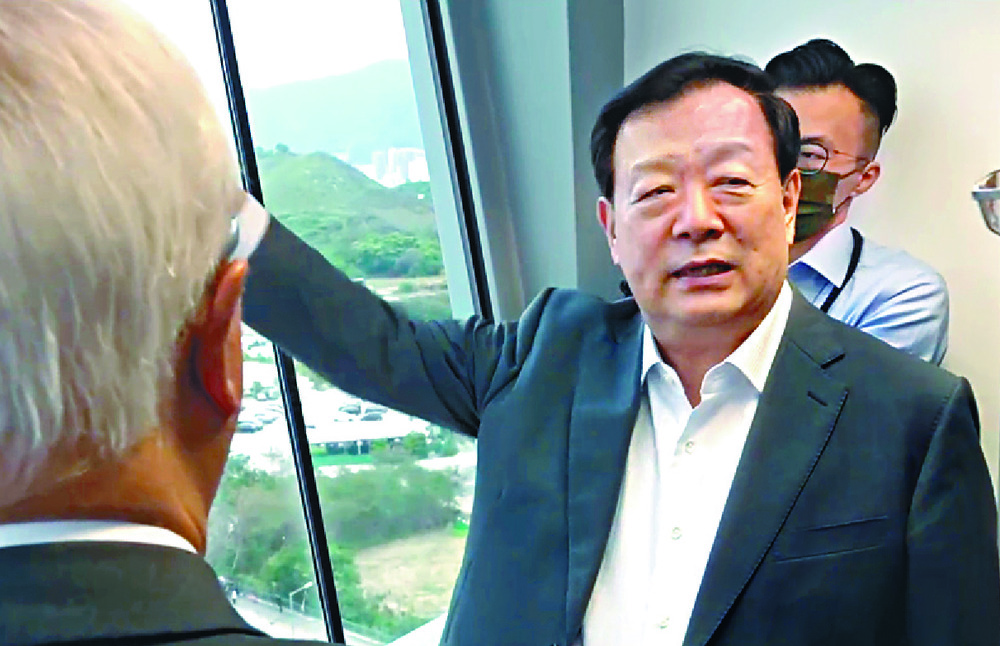
At the weekend, we heard Hong Kong and Macau Affairs Office director Xia Baolong mentioning it again in a speech marking National Security Education Day.
Our way of life has changed somewhat over the years. If protests had been commonplace, people participating in peaceful demonstrations nowadays may expect stricter restrictions, like having to wear numbered badges around their necks.
The new normal is very often likened to a "handover 2.0" - in reference to the beginning of the second half of the 50-year period.
Xia's reference in his speech to horse racing, people dancing and the city making money was as symbolic as those made more than 25 years ago - no more and no less - even though the wordings may have been slightly different.
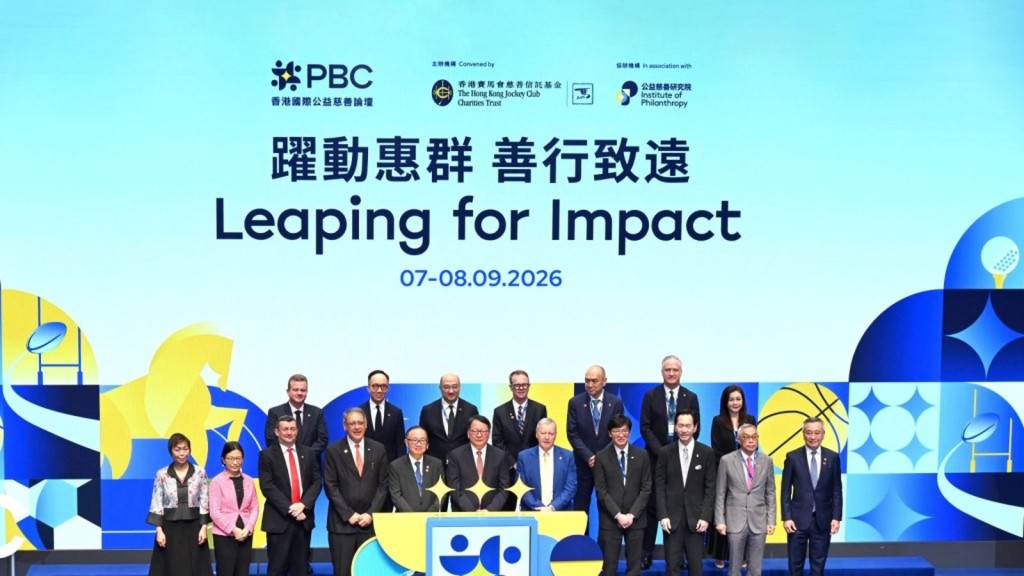
The Hong Kong Jockey Club - facing increased pressure from Financial Secretary Paul Chan Mo-po to contribute billions of dollars more to the government for the next five years - may pride itself on Xia's recognition of horse racing.
Will the club take advantage of this and ask the government for permission to hold horse races on a daily basis?
Horse racing, stocks speculation and dancing are essential to the city's economy and way of life. If it was clear that politics was missing in Deng's famous comment, Xia was explicit this time around.
As he expressed a hope for Hong Kong to continue to host exhibitions, develop innovation and technology, strive for economic development, host horse races, keep dancing, trade stocks and earn more money every day, Xia also took additional steps to remind everyone that demonstrations are not the only way to express views and demands, while warning that demonstrations could easily be hijacked by others.
It is clear from Xia's speech that, if everything within the economic and social realms is fine for discussion and can be encouraged, politics of Western-style civil liberty would be off-limits.
Xia has come to Hong Kong to draw a line, telling Hongkongers what to expect and which aspirations they should drop.
Underneath his soft speaking lies a tough message.
Xia, who arrived in the SAR on Thursday, will leave on Tuesday. Contrary to some officials from Beijing, he has been rather low-key on the question of Hong Kong's notorious housing woes, in particular the choking conditions of subdivided flats with families crammed into single rooms.
There is a view circulating among local political circles that it is not that Beijing is unconcerned about the situation but, rather, that this is an internal matter for the SAR.