Read More

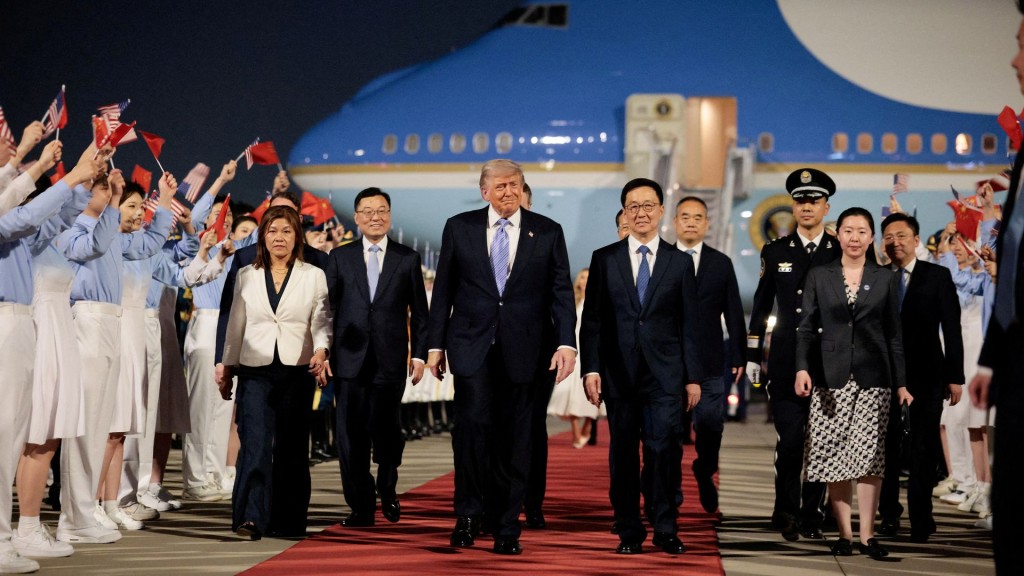
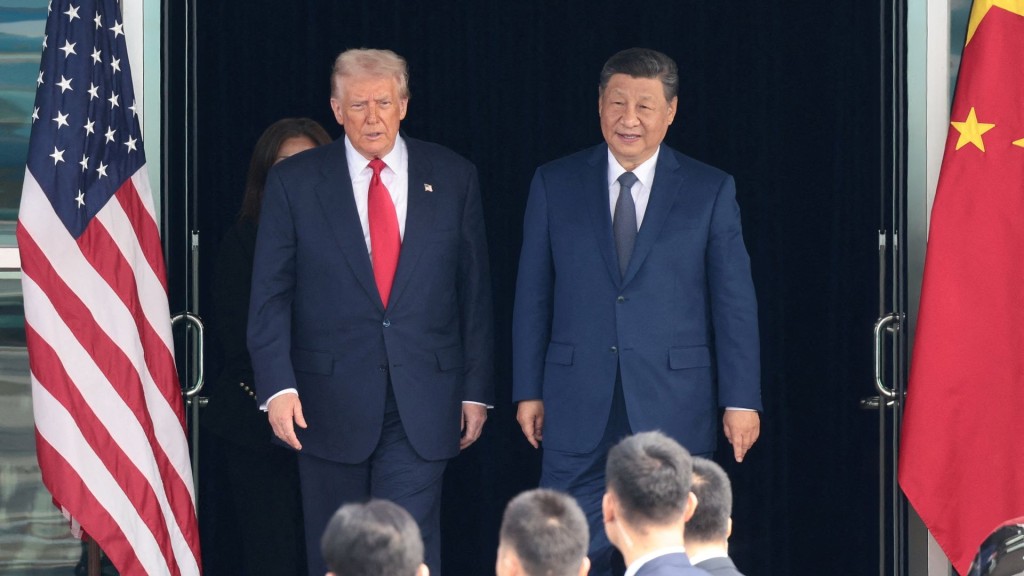


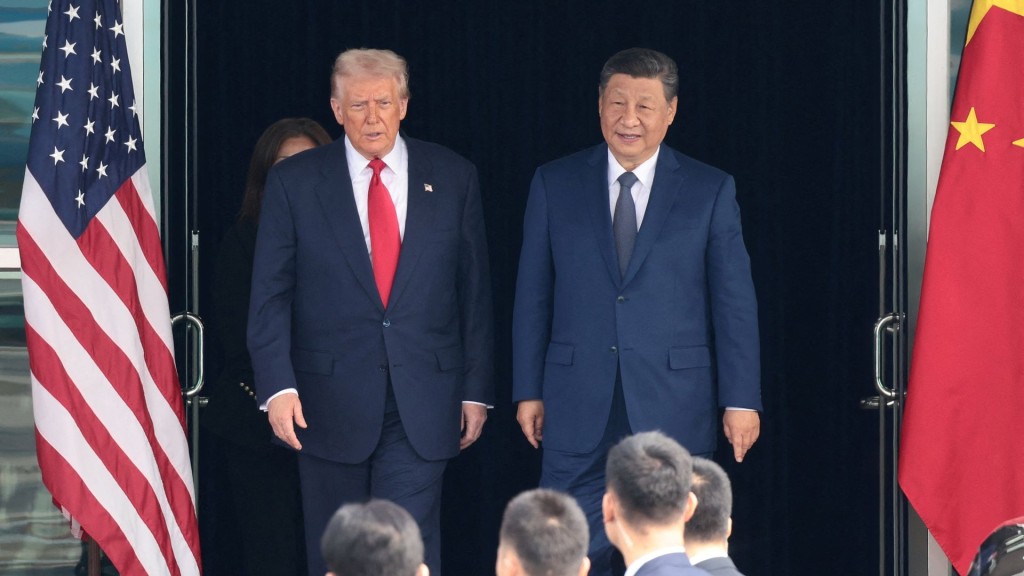



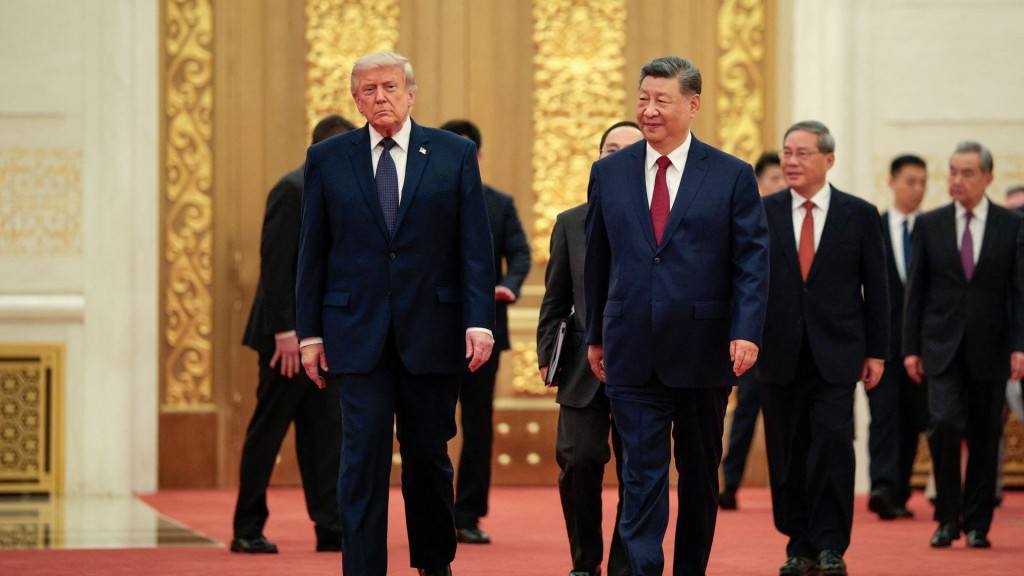
US President Donald Trump’s warm handshake at the Great Hall of the People and photo-op with Chinese counterpart Xi Jinping in front of the Temple of Heaven shows how much has changed in Trump’s attitude toward China in the past 10 years.
Trump was viewed as a China hawk when he first ran for president 10 years ago, blaming China for the decline in the US manufacturing industry, which resonated with the voters in the American Rust Belt and won him the key swing states of Pennsylvania, Michigan and Wisconsin.
Trump appointed famous China hawks such as Mike Pompeo as the US Secretary of State and Robert Lighthizer and Peter Navarro as trade policy chiefs to launch his first trade war against China.
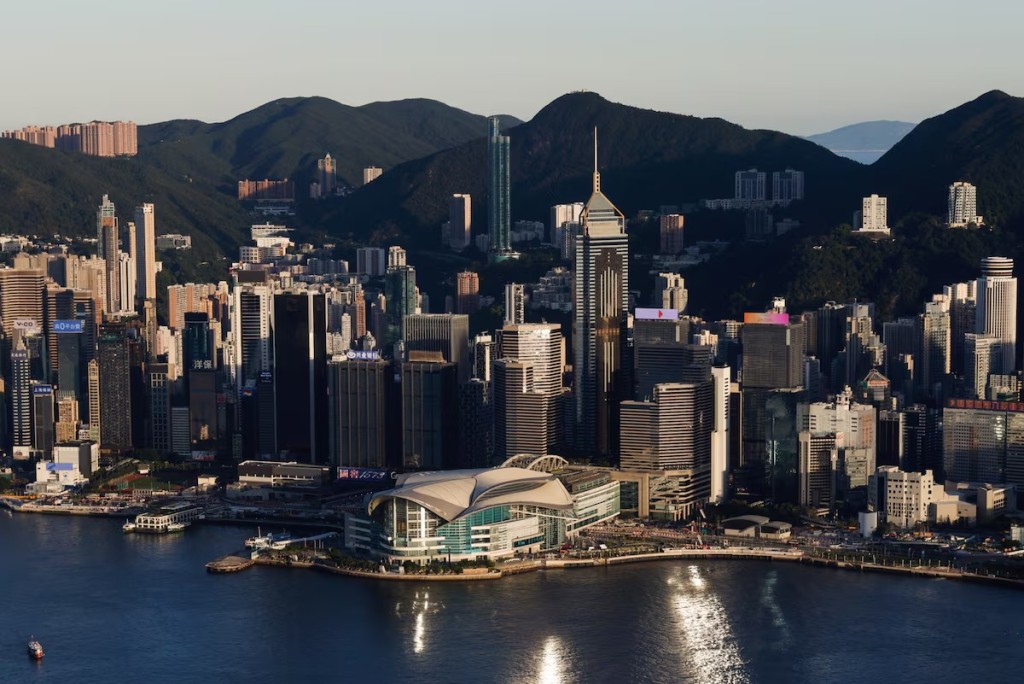
Tensions rose to the peak when the two countries clashed on the Hong Kong protests and alleged human rights abuses in Xinjiang, during the Covid pandemic when Trump labeled it the “China virus” and demanded reparations from Beijing, and when his administration ordered the sudden closure of the Chinese consulate in Houston over spy allegations.
Trump remained critical of China at the beginning of his second term in office, announcing various tariffs on Chinese imports which briefly pushed duties on specific goods to as high as 145 percent, but he soon found out that Beijing had come prepared this time around.
China leveraged its global monopoly by halting the export of rare earth minerals, severely impacting US automotive and smartphone manufacturing supply chains, and more importantly the US arms productions such as of F-35 fighter jets, Tomahawk cruise missiles and submarines.
After rounds of talks, Trump and Xi in November 2025 agreed to reduce the tariff rates in exchange of the relaxation of China’s export controls of critical minerals.
Trump’s hand was further weakened by the Supreme Court overturn on Trump’s tariff policy.
On the contrary, despite the decline in bilateral trade by around 40 percent last year, China still ran a massive US$202 billion (HK$1.58 trillion) trade surplus with the US, with its global trade surplus reaching a record of nearly US$1.2 trillion, which seemed to have defied the economic disruption caused by the US trade war.
With his repeated praises for Xi, calling bilateral ties “better than ever before” and bringing a star-studded business delegation with him to Beijing with the aim of “opening up” the Chinese market, Trump has gone through a 180-degree shift in his China policy.
During the summit with Trump, Xi said they had agreed on a “new vision of building a constructive China-US relationship of strategic stability” that puts cooperation as the mainstay and “healthy stability with competition within proper limits,” which Xi said would provide “strategic guidance” for bilateral ties over the next three years and beyond.
It has offered high hopes for a relatively stable and cooperative relationship between the two countries during Trump’s remaining time in the office, and that will certainly play into Beijing’s advantage by buying more time for its nation-building in its long marathon with the US.