Read More







The situation of the US-Iran war has undergone a dramatic turn in the past two days, as the two countries are reportedly nearing a one-page memorandum of understanding aimed at formally ending the current war and establishing a framework for long-term negotiations.
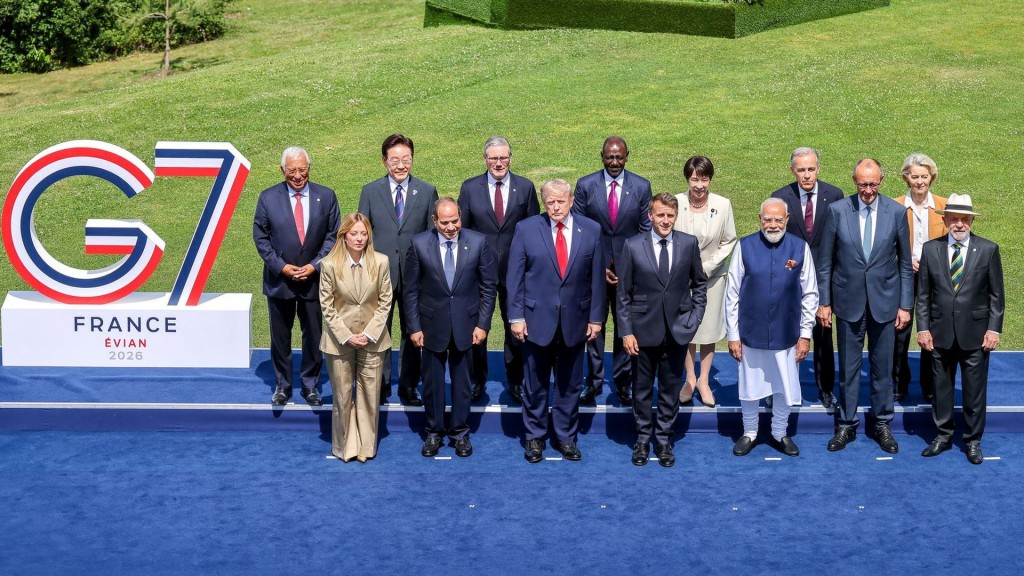
The timing of Washington proposing the memorandum was interesting, as Iranian Foreign Minister Abbas Araqchi was in Beijing meeting with his Chinese counterpart Wang Yi, and US President Donald Trump is set to also visit Beijing in about a week.
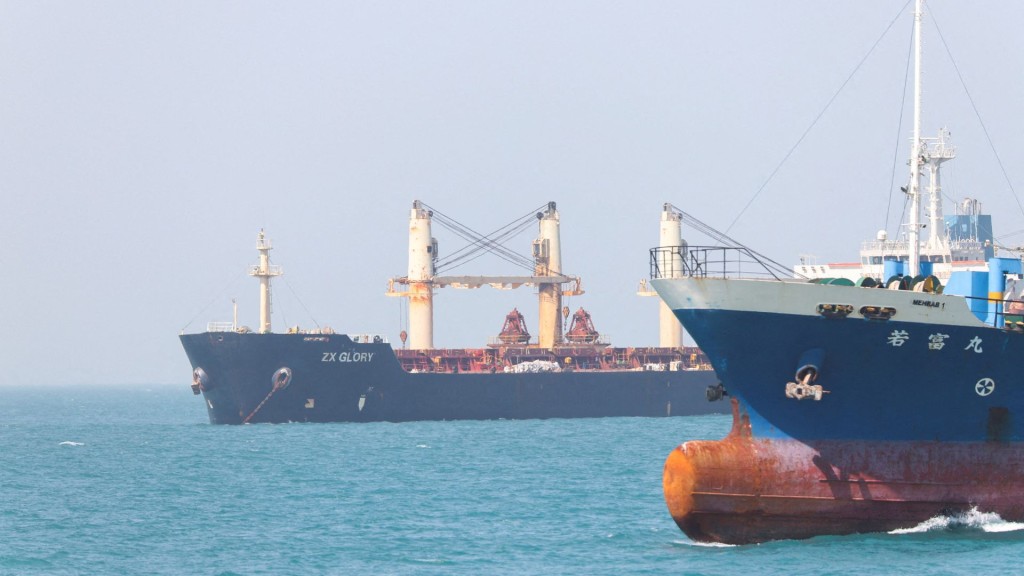
It shows Trump’s eagerness to reach a deal with Iran after backing down from his “Project Freedom” – a plan to guide stranded vessels out of the Strait of Hormuz – and before his China trip, as an unresolved war in Iran could weaken Trump’s hand when negotiating with his Chinese counterpart Xi Jinping.
Despite the sense of urgency, the fundamental differences between the US 15-point and Iranian 14-point proposals make a quick peace deal highly unlikely. On the Strait of Hormuz, Tehran seeks a new mechanism which may potentially involve Iranian-regulated tolls, while Washington demands unconditional reopening.
More importantly, the US demands zero enrichment and the removal of all highly enriched uranium, but Iran asserts the right to enrich for peaceful purposes and proposes a delay in nuclear talks until a later phase.
Tehran has also insisted that any lasting agreement to end the war must include a comprehensive ceasefire across all fronts, including the ongoing Israeli military operations in Lebanon, a demand that may not be easily accepted by Israel.
Amid these unresolved differences, China emerges as a potential broker in bringing the US and Iran to the negotiating table, as Beijing maintains a great leverage over Tehran.
China imported about 90 percent of the Iranian oil supplies before the war, and has remained Tehran’s main economic lifeline through gray oil trade, primarily sustained by the independent “teapot” refineries that have been subjected to the latest US sanctions.
China has also reportedly provided Iran with dual-use technology and sodium perchlorate – a vital ingredient for solid-fuel missile propellant – although Beijing has denied such claims.
Beijing has previously played a backroom mediating role in the US-Iran talks in Islamabad in early April, having made a last-minute intervention to convince Tehran to accept the current truce after negotiations reached an impasse.
Despite the previous success, facilitating a longer lasting peace deal which resolves all these thorny issues like the nuclear program seems to be a tall order, even for Beijing, if both sides are unwilling to make key concessions.
Nevertheless, China still holds a key communication channel between Iran and another major regional player – Saudi Arabia.
Right after his meeting with Wang Yi on May 6, Araqchi also held a high-level phone call with the Saudi foreign minister during which both sides stressed the need for greater regional cooperation and sustained diplomacy, as well as their support for the Pakistan-led mediating efforts.
China has previously brokered the historic reconciliation between Iran and Saudi Arabia back in 2023 and continued to encourage Tehran and the Gulf states to engage in dialogue and “take their destiny into their own hands.”
The latest development comes at a time when Riyadh reportedly rejected granting the US military access to its bases and airspace, leading to Trump’s abrupt U-turn on his “Project Freedom.”
China may not be able to single-handedly end the war, but by combining diplomatic pressure with Pakistan and Saudi Arabia, it might be just enough to achieve a fragile peace in Middle East.