Read More






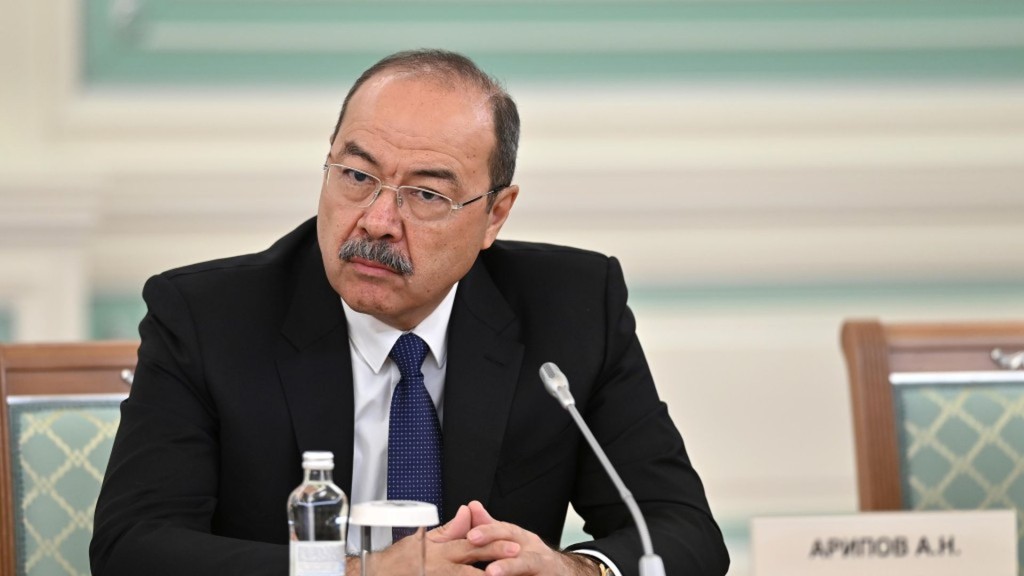
At the invitation of the Chinese government, Uzbek Prime Minister Abdulla Aripov is scheduled to visit China from today until tomorrow and travel to Hong Kong to engage with city leaders and the business community.
The development of China-Uzbekistan relations has accelerated in recent years. The key infrastructure project – the US$4.7 billion (HK$36.66 billion) China-Kyrgyzstan-Uzbekistan railway – broke ground in late 2024, with bilateral trade reaching US$17.8 billion in 2025 and targets set to exceed US$20 billion annually in the near future.
Energy remains the key sector of China-Uzbekistan cooperation, as the gas-rich Central Asian country supplied nearly US$700 million worth of natural gas to China in the first 10 months of 2025.
In return, China has also become the primary driver of Uzbekistan’s green transition, having invested in multiple solar parks and wind turbines in the country. Uzbekistan’s renewable electricity generation surged by 37 percent year on year in early 2026.
China’s cooperation with Uzbekistan would only be further strengthened as the global energy crisis caused by the war in Iran persists, and as the strategic vacuum left by Russia in the former Soviet republic becomes more evident – particularly amid the ongoing war in Ukraine.
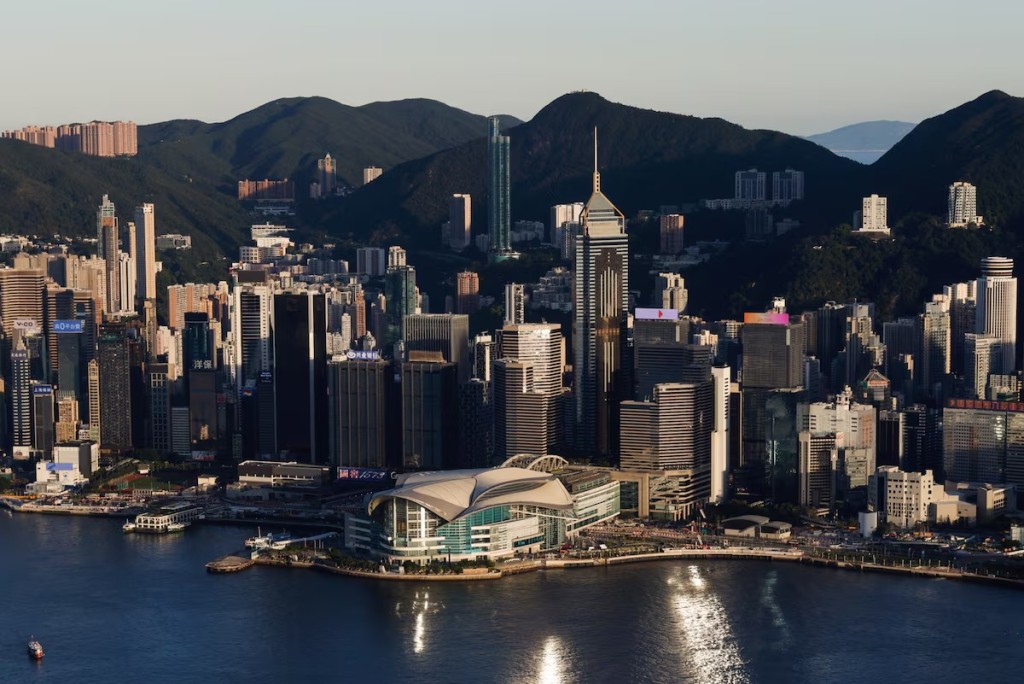
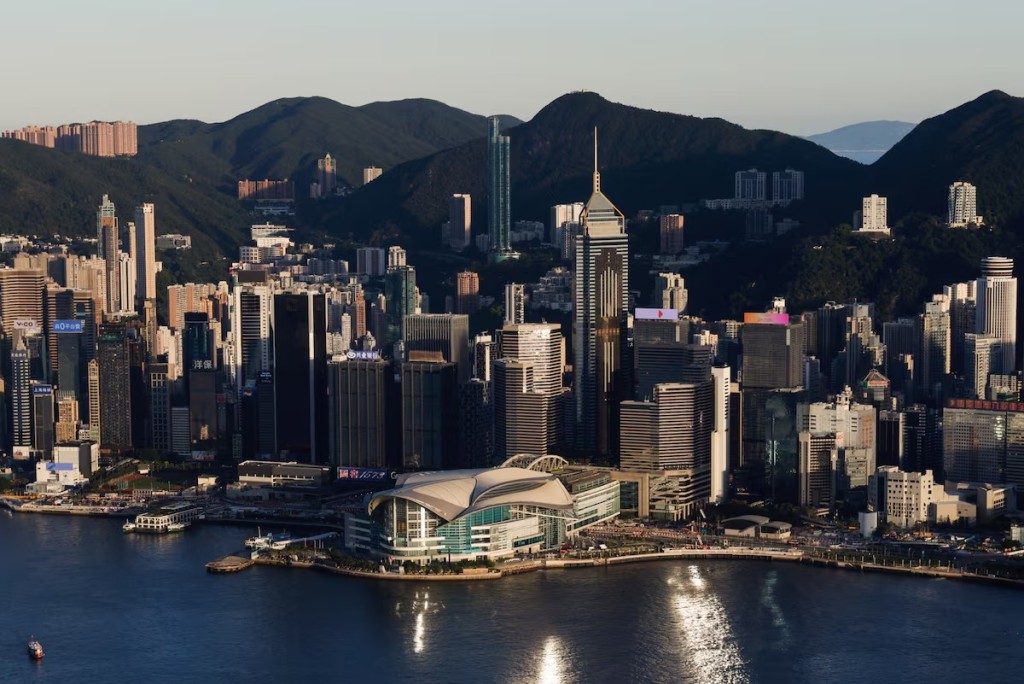
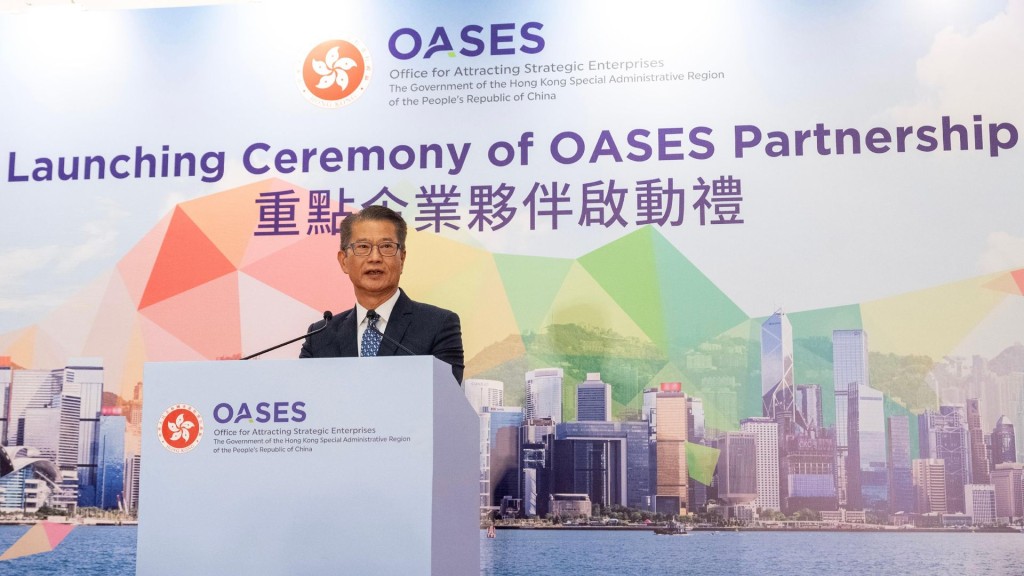
As a global financial hub, Hong Kong’s role in facilitating further China-Uzbekistan cooperation is significant.
A 200-member Uzbek business delegation joined by Aripov is set to visit the city, with the aim of attracting investment. The Uzbek prime minister will also meet Chief Executive John Lee, and a Hong Kong Business Forum will be held to explore deeper cooperation between the two economies.
Davron Vakhabov, chairman of Uzbekistan’s Chamber of Commerce and Industry, said that areas of cooperation will include re-exports, initial public offerings, the digital economy, tourism, green energy, and sustainable development.
Hong Kong has reportedly become a primary target for the dual listing of Uzbekistan’s US$1.68 billion National Investment Fund, following its launch on the London and Tashkent stock exchanges, which can help Uzbekistan attract Asian institutional investors.
As the world’s largest offshore renminbi hub, Hong Kong could also serve as a liquidity buffer and clearing gateway for the currency swaps between the two countries, which have reached US$17.8 billion since their first major bilateral swap agreement in 2011.
The growing geopolitical uncertainty and the volatility of the US dollar interest rate could also potentially accelerate the trend of countries like Uzbekistan reducing their reliance on the US dollar, facilitated by Hong Kong with its unique role in promoting RMB internationalization.
In late 2025, China and Uzbekistan have also signed an agreement to open a US$100 million credit line in RMB to support priority investment projects. With expertise in RMB-denominated bond markets and professional legal services, Hong Kong can serve as the primary platform for Uzbekistan to finance its irrigation modernization and renewable energy infrastructure.
As China expands its global outreach, Hong Kong’s unique and critical position – as a global financial hub attracting investors from all over the world, with unparalleled access to mainland capital markets – has become even more strategically valuable.
The Uzbek leader’s visit only reflects part of the global trend, with potential new markets in Central Asia, Africa, and the Arab world waiting. The opportunity is ripe for Hong Kong to play a more proactive role as “super-connector,” a vital bridge between China and the world.
𝗗𝗼𝘄𝗻𝗹𝗼𝗮𝗱 𝗧𝗵𝗲 𝗦𝘁𝗮𝗻𝗱𝗮𝗿𝗱 𝗔𝗽𝗽 ↓