






Read More






$30,000 monthly pay fails to attract local claypot rice cooks
17-08-2026 17:47 HKT


Senior police loses appeal over $26m mortgage loan fraud
17-08-2026 19:02 HKT


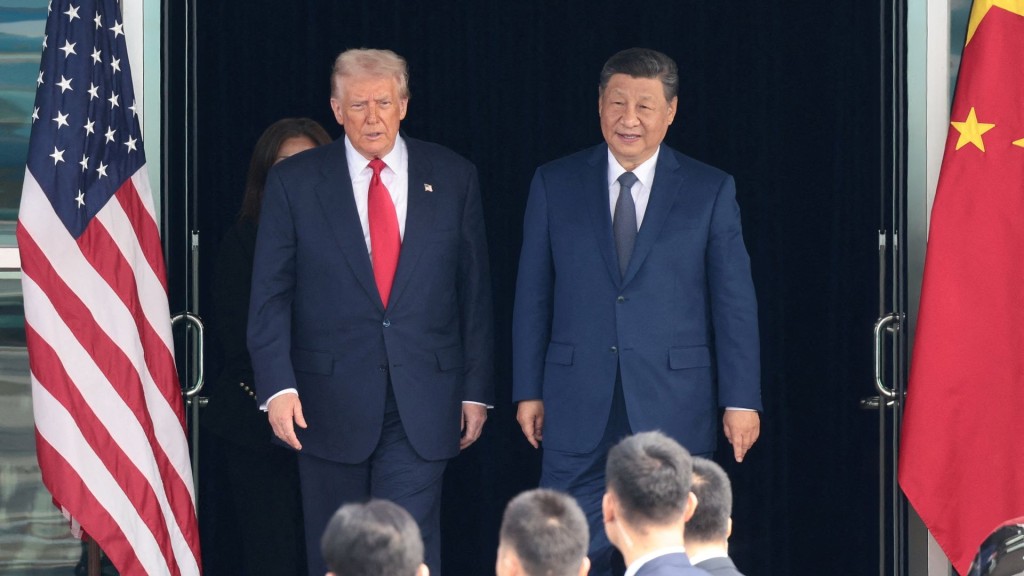
The economic pain of the months-long Iran war has begun to show, as economic data for the world’s two largest economies – China and the United States – showed that inflation in the two countries are expected to rise, prompting the expectation for the landmark summit with President Xi Jinping and US counterpart Donald Trump to address the global inflation risks this week.
China’s Consumer Price Index for April, released on May 11, rose to 1.2 percent year on year, exceeding the consensus forecast of 0.8 percent. The Producer Price Index surged by 2.8 percent year on year, blowing past the 1.5 to 1.6 percent estimates, making it a 45-month high and the second consecutive month of growth after years of deflationary pressure. As China’s domestic consumer demand remained weak, the surge in the country’s inflation index was largely driven by global energy shocks caused by the conflict in Iran and the blockade of the Strait of Hormuz, which led to imported inflation in most economies.
While food prices actually fell by 1.6 percent due to cheaper pork, non-food inflation rose by 1.8 percent, led by a 19.3 percent surge in retail gasoline prices. As an export-focused, manufacturing-oriented economy, China’s rising factory costs are likely to be exported, with analysts warning that higher production costs in China could further fuel global inflation just as other countries are trying to cool their own.
Meanwhile, the US CPI in April, which is scheduled for release today, is also expected to jump between 3.7 and 3.9 percent year on year, up from 3.3 percent in March. Its most-likely largest contributor would be the massive 21 percent jump in gasoline prices in March that is now filtering into April’s data.
Goldman Sachs has also estimated that roughly 72 percent of previous tariff costs have now passed through to consumers, which added about 0.8 percentage points to core inflation in the US. That would likely impact the policy of the incoming Federal Reserve chairman Kevin Warsh, who is set to succeed Jerome Powell on May 15.
Despite being a hawk historically, Warsh recently pivoted and publicly backed the need for rate cuts to cater to the demand from the US president.
Trump’s selection of Warsh followed a period of intense hostility toward Powell, who acted defiantly against Trump’s repeated calls for cut rates. Nevertheless, the unresolved war in Iran and the ongoing stagflation risks have made the expectations for rate cuts in 2026 evaporate.
The potential impact on the global economy would likely be addressed in Trump’s China visit this week, as both sides would like to extend the trade truce to avoid further volatility in their domestic price levels, especially before Trump’s mid-term elections in November, in which the economy is going to become a key campaign issue.
More importantly, the two leaders would also be keen to address ways to resolve the Iran war, re-open the Strait of Hormuz, and bring the Gulf energy supplies back to normal and the global energy prices down.