Read More





Defying the demographic cliff: restoring hope
06-10-2026 04:56 HKT

Transport chief takes a back seat on fining transit nuisance behavior
14-10-2026 18:09 HKT


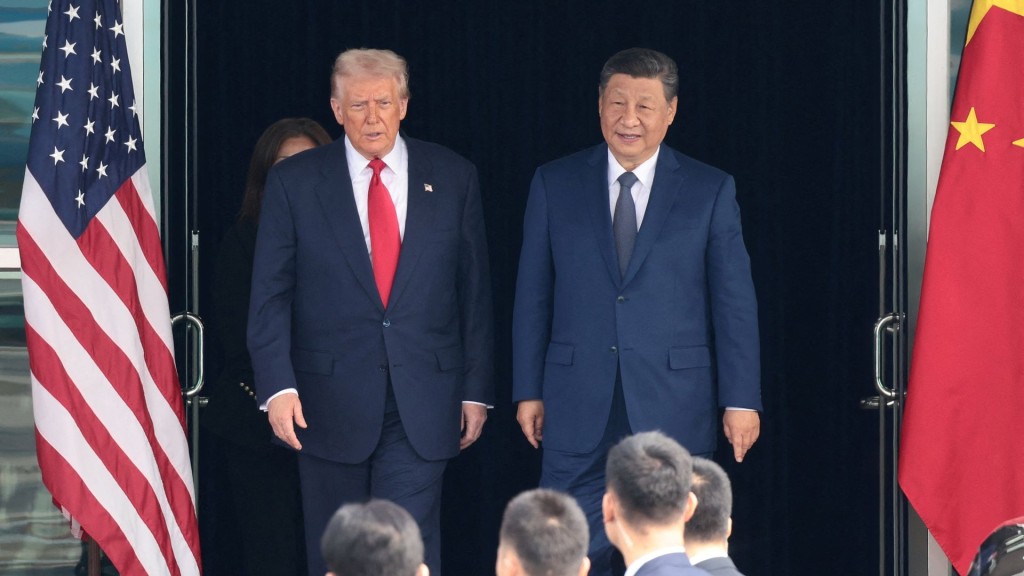
The United States and Iran have been in a conditional ceasefire for nearly a month, after US President Donald Trump extended the initial two-week truce on April 21 to allow more time for peace negotiations.
The prospect of a long-term peace settlement remains highly uncertain as Trump signaled that he would not accept the latest 14-point proposal presented by Tehran, with both sides threatening further escalation. It comes at a time when Trump is preparing for his first visit to China and meeting with President Xi Jinping in less than two weeks. The original trip, scheduled in late March, was postponed by Washington due to the ongoing military operations against Iran.
If the tension in the Middle East persists, Beijing may become an increasingly crucial force that could potentially determine the outcomes of peace talks, and both Washington and Tehran would likely seek after Beijing’s backing.
First of all, China is Iran’s critical financial backer. About 90 percent of its oil exports went to China before the war started, and a considerable amount of oil continued to flow to China until it was disrupted by the US blockade of the Strait of Hormuz.
The US has also suggested that China had provided Iran with dual-use technology and sodium perchlorate, a vital ingredient for solid-fuel missile propellant. Beijing has denied such claims.
China’s financial, material, and strategic backing of Iran gives it greater leverage to pressure Tehran to reach a deal with Washington.
It is also in Beijing’s interests to end the war as soon as possible. The impact of the oil shock on the country’s economy and people’s livelihood has begun to show.
On the other hand, the US is also hoping to end the war on better terms, especially on the nuclear issue. Russian President Vladimir Putin, meanwhile, has also offered to keep Iran’s highly enriched uranium as a compromise.
China’s leverage on Iran may be something Trump is looking after, but that could also mean he would need to make concessions on some key issues of Beijing’s concerns.
In his latest phone call with US Secretary of State Marco Rubio on April 30, Foreign Minister Wang Yi emphasized that the Taiwan question bears China’s core interest, and urged Washington to “make the right choice, to open up new space for China-US cooperation and make due efforts for world peace.”
There has been speculation that there may be a “grand bargain” over Taiwan at the Xi-Trump summit, and the Iran factor makes such a deal become even more plausible.
Beijing has reportedly requested Trump to officially declare that the US “opposes” Taiwan independence and halt or delay its arms sales to the island.
Tempting as it may seem, it is still unlikely for Washington to make a grand deal with Beijing on Taiwan, as it holds a key strategic position in containing China. But Trump can also adopt a much lower-profile stance on Taiwan in exchange for Beijing’s help in handling Iran, and make concessions on other issues such as tariffs and chip blockades.
The reported infighting within the Iranian leadership could also make it more difficult for Beijing to exert its influence on peace talks. What’s more, no deal on the contentious issue of uranium enrichment could easily be accepted by the US, Iran, as well as Israel.
As the development of the situation remains highly fluid, what role China can play in future US-Iran talks remains to be seen. Nonetheless, its silent but powerful leverage is unmistakable.
This could potentially provide a golden opportunity for China to further its national interests, play a role in preventing the global economic crisis and bringing peace back to the Middle East, and present itself to the world as a responsible world leader.