Read More






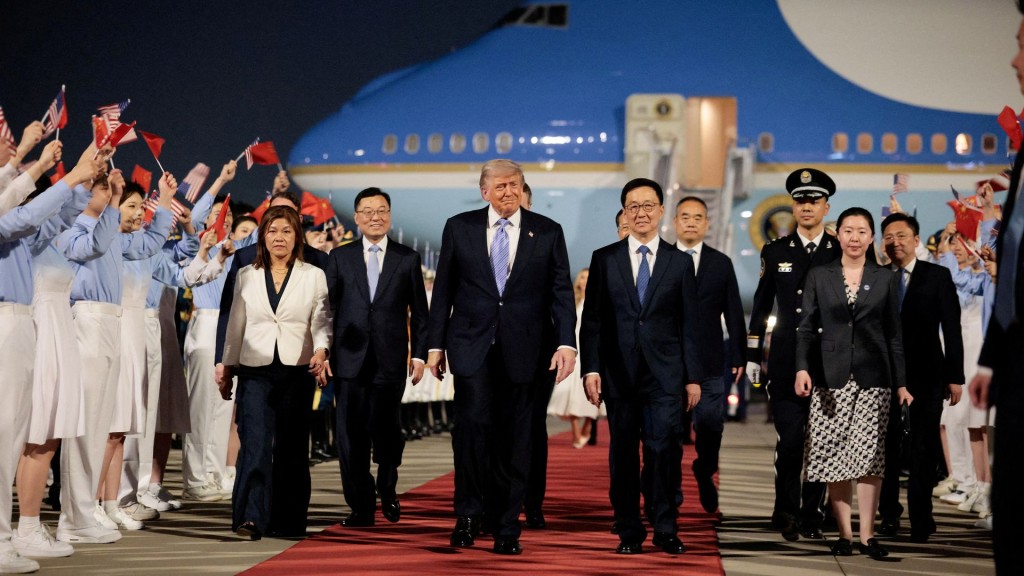
Just as US President Donald Trump was on his way to China, Beijing has stepped up its mediation efforts on the Iran war, but Iran’s defiant stance on reopening the Strait of Hormuz has made a grand deal on ending the war at the China-US summit difficult.
During his phone call with Pakistani counterpart Ishaq Dar on Tuesday, Foreign Minister Wang Yi expressed hope that Islamabad would “intensify its mediation efforts” and “properly address” the strait reopening issue, adding that Beijing would also “make its own contributions to this end.”
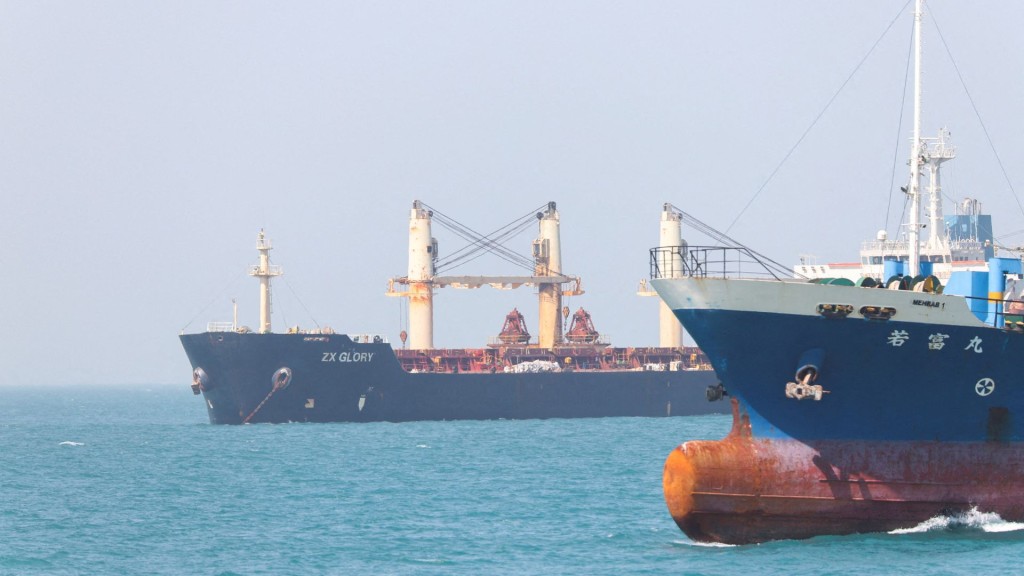
However, the Iranian ambassador to China on the same day defended its blockade of the strait, saying that it was a “defensive response to the imposed war” rather than targeting Chinese interests, adding that Beijing’s mediation should not be an “instrument for managing pressure” on Tehran.
Tehran’s stance does not seem to have softened, as it has stated that uranium enrichment would not be up for negotiation, in response to Trump describing the Iranian proposal as a “piece of garbage.”
The Iran issue is expected to be discussed at Trump’s summit with President Xi Jinping in Beijing, but the US leader said that he would not need Xi to help resolve the conflict and claimed the United States would “win it one way or the other.”
The Gulf region reportedly supplied 40-50 percent of China’s total crude oil imports and about one-third of its liquefied natural gas before the war. This reason alone explains why China is being more proactive in brokering a peace deal between the US and Iran to end the disruption to its energy supplies.
However, the unwillingness to compromise from both sides makes it difficult for Xi to strike a grand bargain when meeting Trump, despite Beijing’s considerable leverage over Tehran through its economic and material support.
One way for Beijing to get out of this energy chokehold would be to cut a deal with Iran on the transit through Hormuz, as Pakistan and Iraq have reportedly done for their oil and gas shipments.
A potential separate deal with Iran could possibly ease China’s energy shocks and prevent Beijing from becoming more entangled in the US-Iran conflict, as the current impasse could possibly drag on for quite some time.
The global oil shocks, however, would very likely be translated into prolonged inflation risks, which impact not just Chinese and US economies but also the economic outlook globally, and may force the US to move up the escalation ladder to break the stalemate.
Trump would definitely have more to lose than Xi if the war drags on, as the domestic inflation would prove costly for his Republican Party in the upcoming mid-term elections in November.
The potential loss of the House could also lead to another impeachment campaign against him.
With US strategic focus pivoted away from Asia again, Beijing might be able to gain another “period of strategic opportunity” to prioritize economic growth, modernize its military and increase its global influence, like it had experienced in the 2000s when Washington was preoccupied in the wars in Afghanistan and Iraq.