Read More




Defying the demographic cliff: restoring hope
06-10-2026 04:56 HKT





Thailand plans entry and exit fees totalling $338 for air travellers
09-10-2026 03:37 HKT


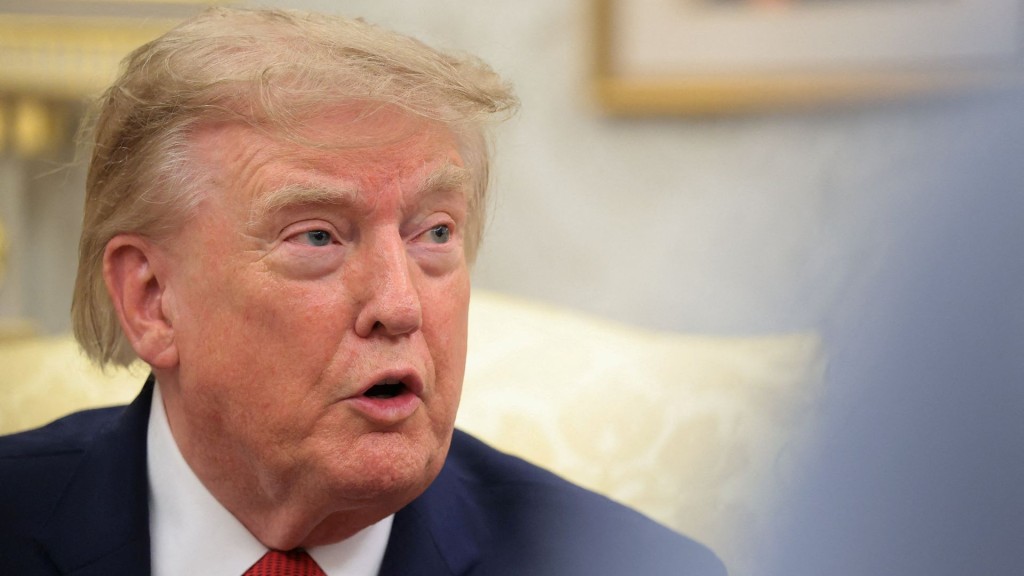
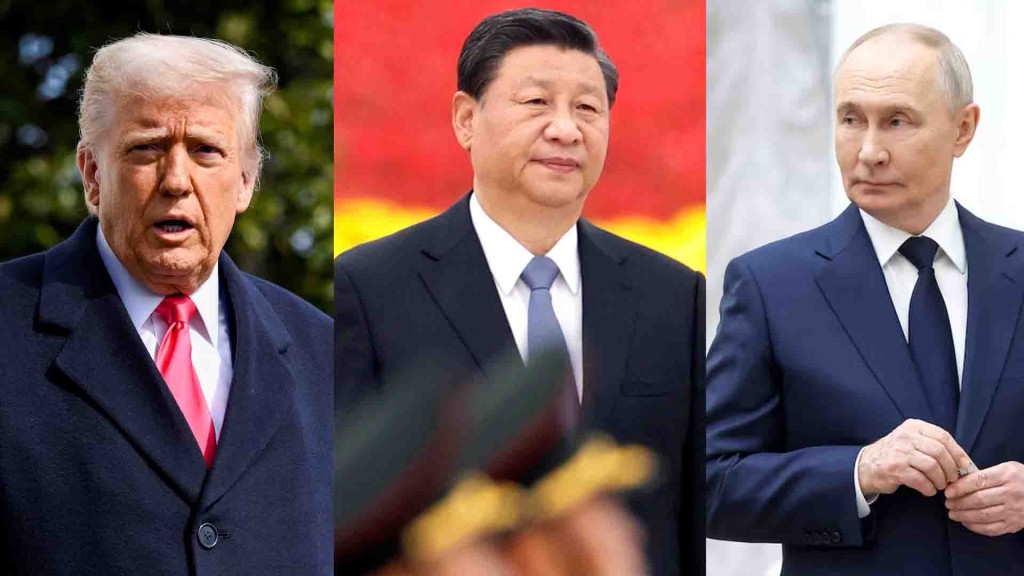
US President Donald Trump's declaration of an "Economic D-Day" against Iran – reinforced by Treasury Secretary Scott Bessent's rollout of sweeping secondary sanctions and punitive secondary tariff threats – marks one of the most aggressive deployments of American extraterritorial statecraft to date.
By threatening steep secondary tariffs and potential disconnection from the US dollar clearing system against third-party nations maintaining commercial ties with Tehran, Washington aims to force an economic capitulation.
Yet, rather than guaranteeing a swift diplomatic breakthrough, this maximalist posture carries profound structural risks.
By stretching the reach of secondary coercion across key regional powers, the strategy risks encountering entrenched evasion networks, inflicting domestic inflationary costs on the United States, and potentially accelerating the gradual erosion of Western financial dominance in favor of a fragmented, multipolar economic order.
The fundamental challenge confronting Washington's secondary enforcement is the deep structural resilience of Iran's trading architecture, which operates largely beyond the perimeter of conventional Western finance.
Decades of sanctions have conditioned Tehran to sustain an adaptive resistance economy supported by opaque dark-fleet maritime logistics, ship-to-ship crude transfers, and specialized front-company clearing hubs. Independent Chinese refiners have long absorbed discounted Iranian crude using yuan-denominated settlement through regional financial institutions deliberately insulated from the SWIFT ecosystem.
Crucially, Beijing is not alone in resisting Washington's extraterritorial mandates. Across Eurasia and South Asia, major regional powers have vital strategic, energy, and logistical incentives to preserve their ties with Tehran.
Russia has deepened its comprehensive defense and economic integration with Iran, operationalizing the International North-South Transport Corridor and settling bilateral commerce directly in rubles and rials outside Western oversight. Turkey remains structurally reliant on Iranian natural gas pipelines to power its domestic industrial grid, maintaining a long-standing legal stance that rejects unilateral sanctions lacking United Nations mandates.
Meanwhile, India, guided by its doctrine of strategic autonomy, continues to treat Iran as an indispensable transit gateway to Central Asia and Afghanistan through its long-term investments in Chabahar Port. Together, this collective resistance threatens to fundamentally reshape regional and global geopolitics, weaving Eurasia, the Persian Gulf, and South Asia into an interconnected commercial bloc capable of neutralizing Western containment architectures.
For Washington, the aggressive weaponization of tariffs and dollar clearing carries latent, long-term systemic hazards. While the US dollar retains unmatched market liquidity and institutional depth, repeated threats of secondary exclusion risk undermining the perceived neutrality of the global financial commons. Sovereign states across the Global South are increasingly incentivized to construct defensive financial moats and diversify foreign reserves to hedge against single-currency vulnerability.
In this shifting landscape, China holds the most significant cards. As the world's leading industrial power and the primary consumer of Middle Eastern energy, Beijing provides the commercial weight required to anchor non-dollar settlement networks. By steadily expanding the Cross-Border Interbank Payment System, advancing multilateral central bank digital platforms like Project mBridge, and establishing bilateral currency swap frameworks, China could increasingly serve as a central pillar of an alternative, dual-track financial order. While the dollar's pre-eminence will not disappear overnight, maximalist financial pressure risks diminishing American financial leverage over time, potentially catalyzing the very multipolar financial architecture Western statecraft has long sought to avert.