Read More






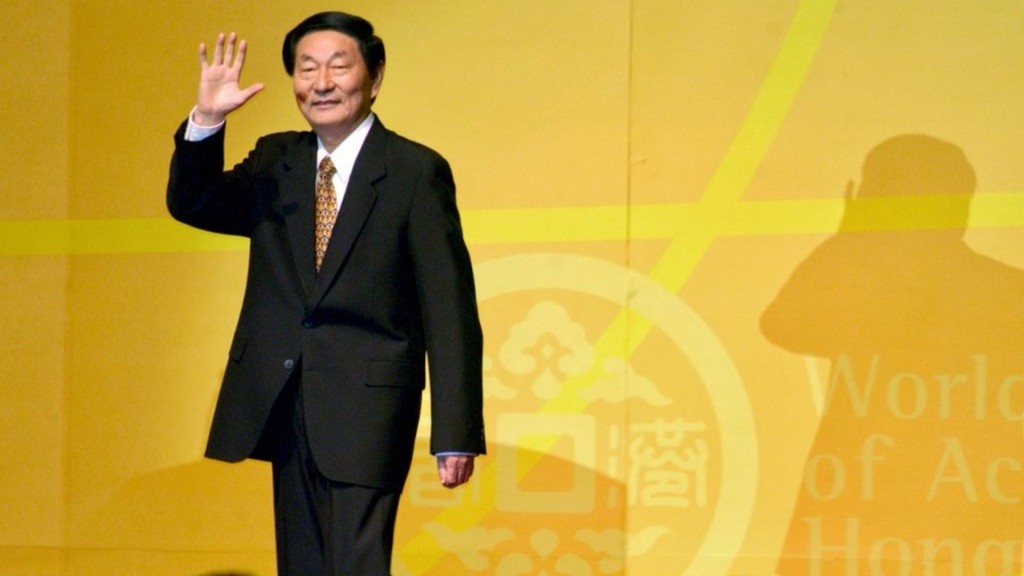
Widely recognized as the iron-willed architect of China's modern market economy, former premier Zhu Rongji passed away in Beijing yesterday at the age of 98. His tenure as premier from 1998 to 2003 was marked by a dramatic transformation of the country's fiscal, financial, and administrative structures. By dismantling rigid centralized planning in favor of a modern, globalized market system, Zhu established the institutional bedrock for China's meteoric rise into the world's second-largest economy.
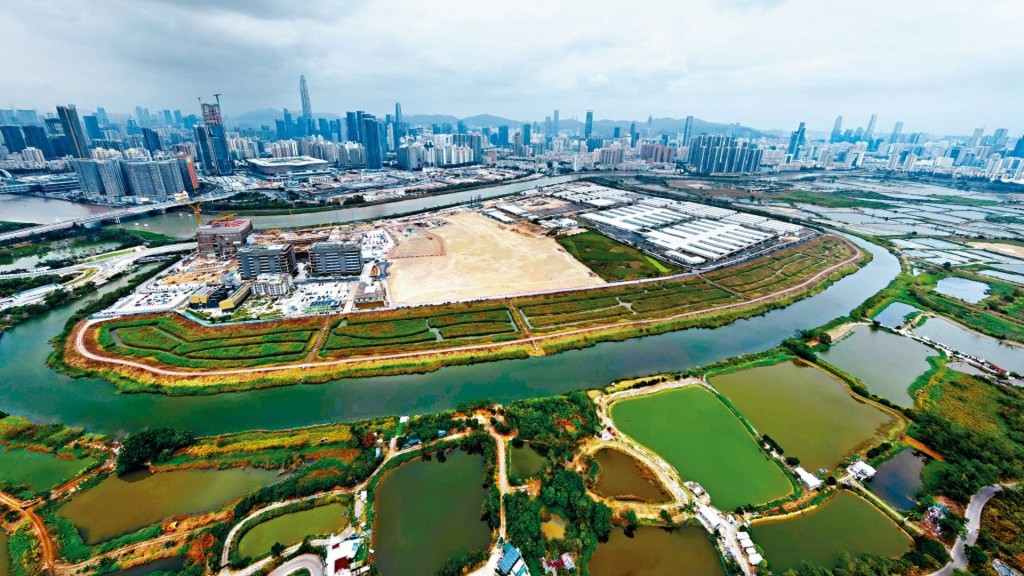
A staunch pragmatist throughout his political career, Zhu's early life was defined by fierce independence and ideological persecution. Labeled a "Rightist" in 1958 and purged from the Communist Party due to his vocal opposition to dogmatic economic targets, he spent two decades in political exile before his rehabilitation in 1979. Rising to become Mayor and Party Secretary of Shanghai in the late 1980s, Zhu spearheaded the development of the Pudong New Area – transforming agricultural land into Asia's premier financial hub – while peacefully managing the 1989 political unrest in Shanghai without military intervention. His administrative genius was subsequently showcased during his tenure as vice premier and governor of the People's Bank of China, where he tamed hyperinflation and engineered a celebrated economic soft landing in the mid-1990s.
Earning the moniker of China's "economic czar" during his premiership, Zhu executed market reforms with decisive, unyielding resolve. He systematically overhauled inefficient state-owned enterprises, streamlined the bureaucracy by cutting government ministries nearly in half, abolished the state-allocated welfare housing system to catalyze private real estate, and aligned national commercial laws with international standards.
Zhu converted Deng Xiaoping's vision into concrete policy, successfully negotiating China's historic entry into the World Trade Organization in 2001. This monumental milestone locked China into global supply chains, cementing its status as the "Factory of the World" and propelling two decades of double-digit, export-led growth.
Zhu's market-driven restructuring unfolded at the zenith of Pax Americana following the dissolution of the Soviet Union – a golden era of hyper-globalization from which China derived enormous prosperity. Two decades later, however, Beijing operates in a radically altered geopolitical landscape defined by intensifying US-China strategic competition, supply chain fragmentation, and economic weaponization. In response to these external pressures, Beijing has pragmatically shifted from an aggressive export-led model toward a more fortified economic posture. Through strategies such as the "Dual Circulation" framework, heavy state backing for semiconductor self-reliance, and strategic commodity stockpiling, China seeks to insulate its domestic market against foreign sanctions and global market volatility.
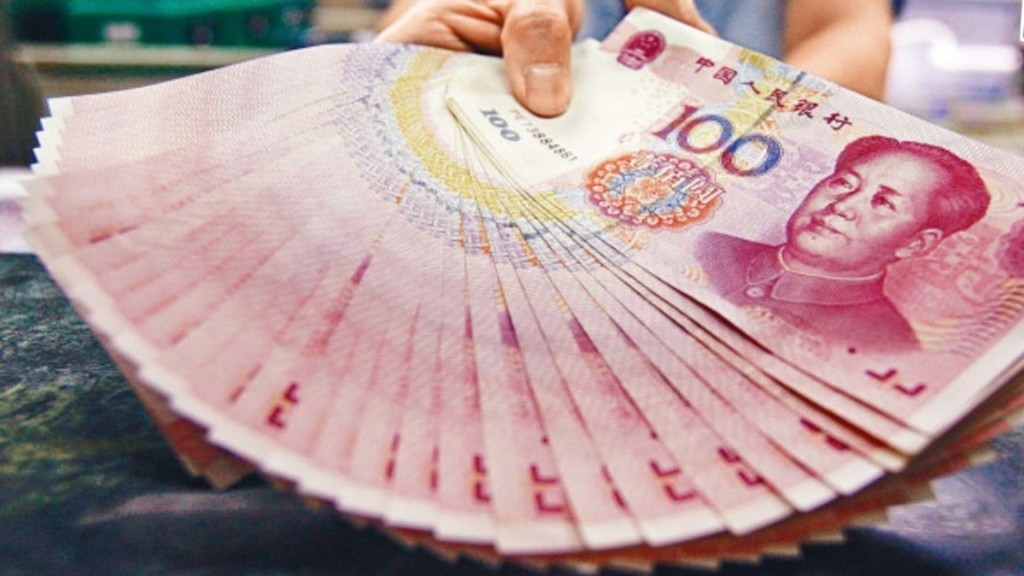
At the same time, the decades-long rapid commercialization brought profound structural challenges. It led to privatized social safety nets, exacerbated regional inequality, and a dangerous economic over-reliance on land sales and property speculation – a dynamic mirroring the wealth gaps and industrial hollow-out observed across Western market democracies. Recognizing that unchecked asset bubbles and social dislocation could threaten national stability, Beijing has executed regulatory recalibrations aimed at reining in corporate monopolies, curbing real estate leverage, and expanding public social infrastructure under the banner of "Common Prosperity."
History will remember Zhu Rongji as the fearless reformer who modernized China's state apparatus, embraced global capital, and unleashed the country's productive power. Yet, his true enduring contribution lies not merely in market mechanisms, but in his unwavering commitment to results over rhetoric. In an era increasingly consumed by ideological polarization, Zhu's legacy serves as a compelling reminder that successful statecraft requires clear-eyed, unvarnished pragmatism over dogmatic rigidity.