Read More


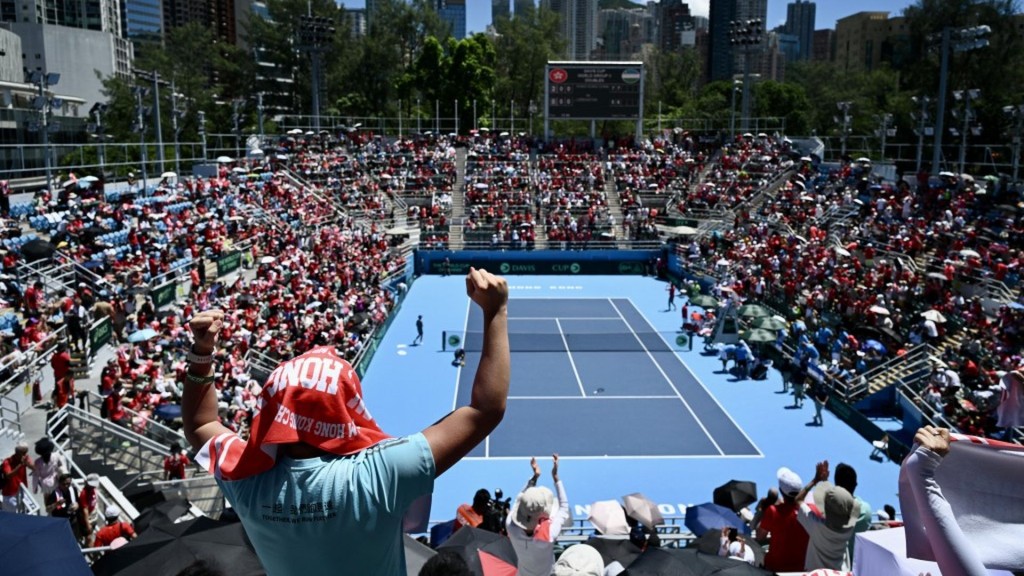


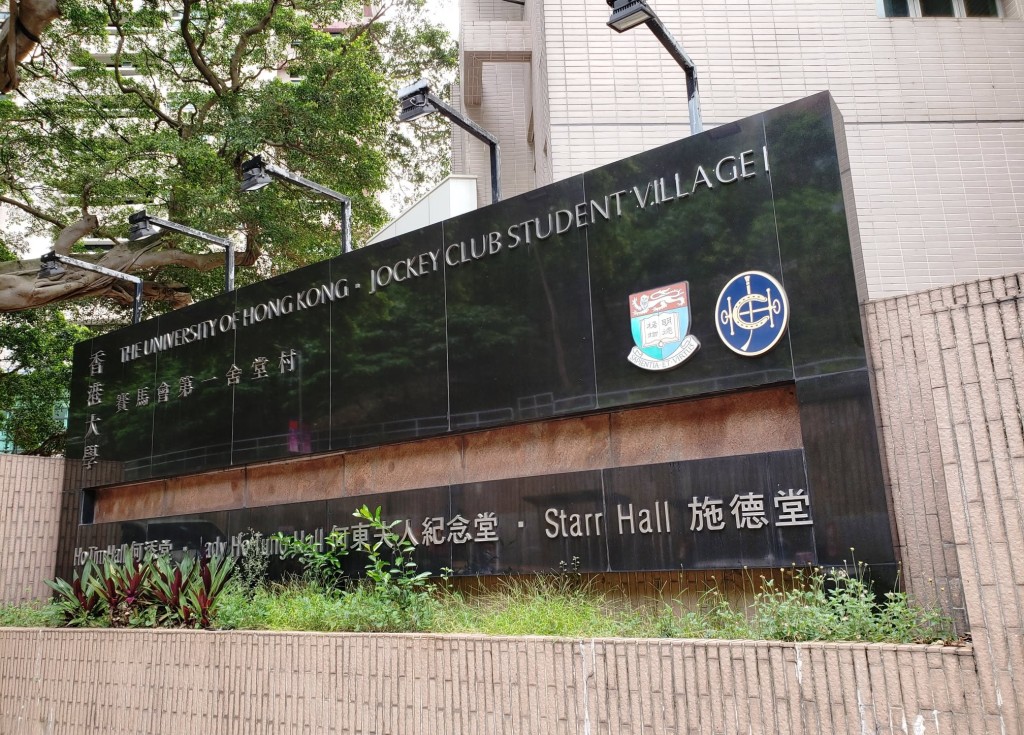



When the Hong Kong Observatory registered a record-shattering 36.9 degrees Celsius at its headquarters – with district stations like Sheung Shui soaring past 39 degrees – it marked far more than a routine summer spike. Fueled by the subsiding air of a passing tropical cyclone and intensified by decades of hyper-dense urban development, Hong Kong's recent heatwave exposed the territory's acute vulnerability to climate extremes. Heatstroke fatalities among outdoor enthusiasts and workers, alongside mounting strain on the city's power grid and emergency services, serve as an alarming wake-up call. The city's famous "wall-effect" high-rises and concrete urban core trap thermal radiation overnight, creating an unbearable "urban heat island" effect that leaves residents in dense neighborhoods with virtually no atmospheric relief.
Yet, Hong Kong's current official response relies heavily on passive, reactive measures: issuing Very Hot Weather Warnings and advising residents to stay indoors or drink more water. In a city where thousands of frontline construction workers, street cleaners, delivery personnel, and subdivided flat tenants cannot simply retreat into air-conditioned comfort, advisory notices are woefully inadequate. To safeguard public health and preserve urban livability, the Hong Kong government must transition from passive warning systems to aggressive, structural heat mitigation. In this endeavor, Singapore offers a battle-tested, highly actionable blueprint.
Unlike Hong Kong, Singapore treats urban heat as a core strategic threat, embedding microclimate management into its national urban planning through its comprehensive "Cooling Singapore" initiative. Central to Singapore's success is the large-scale deployment of advanced cool paint coatings across public housing estates, industrial roofs, and road pavements. Real-world studies conducted by institutions like Nanyang Technological University demonstrate that reflective coatings can lower ambient air temperatures by up to 2 degrees Celsius and improve outdoor pedestrian thermal comfort by 1.5 degrees.
For Hong Kong, mandating cool roofs and retrofitting public housing blocks, bus shelters, and pedestrian footbridges with solar-reflective materials would yield immediate, cost-effective temperature reductions in hyper-dense districts such as Mong Kok, Kwun Tong, and Sham Shui Po.
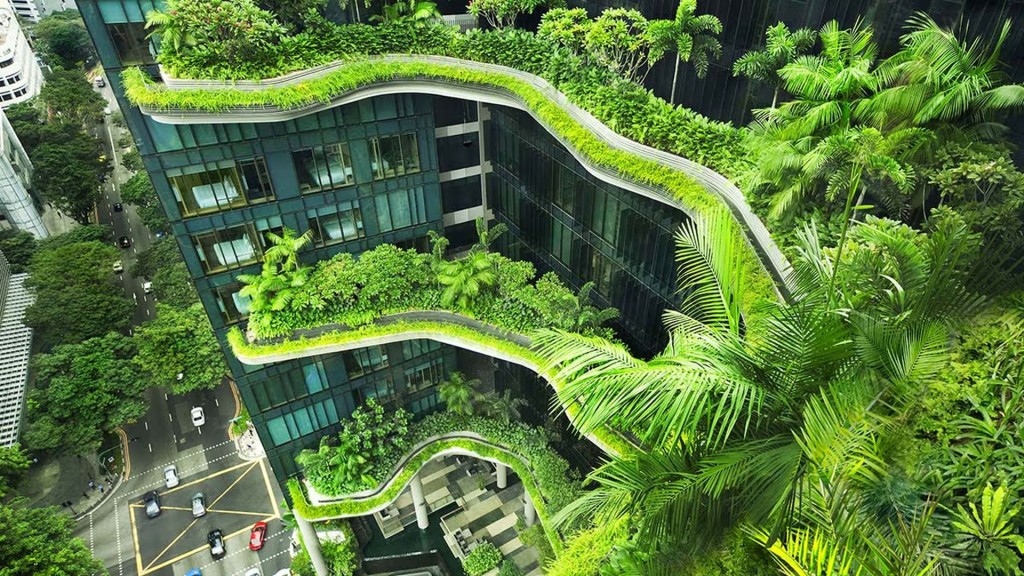
Beyond surface retrofits, Singapore systematically safeguards urban wind corridors to flush out trapped heat. In major master-planned developments such as the Jurong Lake District, building layouts and height profiles are strictly aligned with prevailing wind directions, preventing the creation of stagnant thermal blockades. Hong Kong's Town Planning Board should adopt similar binding microclimate regulations. By enforcing ventilation gaps between high-rises, expanding vertical greening on building facades, and planting high-canopy shade trees along major pedestrian thoroughfares, the government can restore natural air circulation to stifling streetscapes.
Finally, Singapore leverages data-driven microclimate modeling to protect vulnerable populations, using the Universal Thermal Climate Index to guide targeted interventions for outdoor workers and seniors. Hong Kong should follow suit by upgrading its heat stress framework. Rather than relying on ambiguous advisory guidelines for outdoor labor, the Labour Department should establish mandatory, legally enforceable work-stoppage and mandatory rest-break protocols triggered by real-time district thermal indices. Concurrently, the government should establish climate-controlled community cooling sanctuaries in low-income districts to protect vulnerable elderly residents living in unventilated housing.
Extreme heat is no longer an occasional anomaly; it is Hong Kong's new baseline. By borrowing Singapore's combination of material science, wind-sensitive urban planning, and enforceable labor protection, Hong Kong can transform its concrete canyons into resilient, livable urban spaces. The Hong Kong administration must act decisively – before the next heatwave pushes the city past its breaking point.