






Read More





Teenager arrested at Hong Kong airport for luggage theft
02-10-2026 14:00 HKT

HK raises minimum wage for foreign domestic helpers to $5,220
02-10-2026 18:06 HKT

Abby Choi's murder trial hacks up gruesome details
02-10-2026 17:10 HKT


Despite the visible diplomatic friction between Hong Kong and the European Union following the political transitions of 2019, the subsequent implementation of the National Security Law, and that of the recent Safeguarding National Security Ordinance (Article 23) legislation, the relationship between the two economies remains highly pragmatic. Bound by profound economic interdependence and deeply integrated financial collaboration, both jurisdictions continue to separate structural trade and financial strategy from broader geopolitical crosswinds.
Hong Kong represents a critically vital economic partner for Brussels, standing as one of the few global markets with which the EU maintains a massive, consistent structural trade surplus. This surplus averages roughly US$19.3 billion (HK$151 billion) annually, driven by steady Hong Kong demand for high-value European machinery, chemical products, and luxury goods. Furthermore, the EU remains a top-five investor in the territory. Current European Foreign Direct Investment stock in Hong Kong stands at a staggering US$106 billion – exceeding its combined investment in South Korea, Thailand, and Vietnam – with over 1,700 European firms maintaining their regional operations and corporate headquarters within the city.
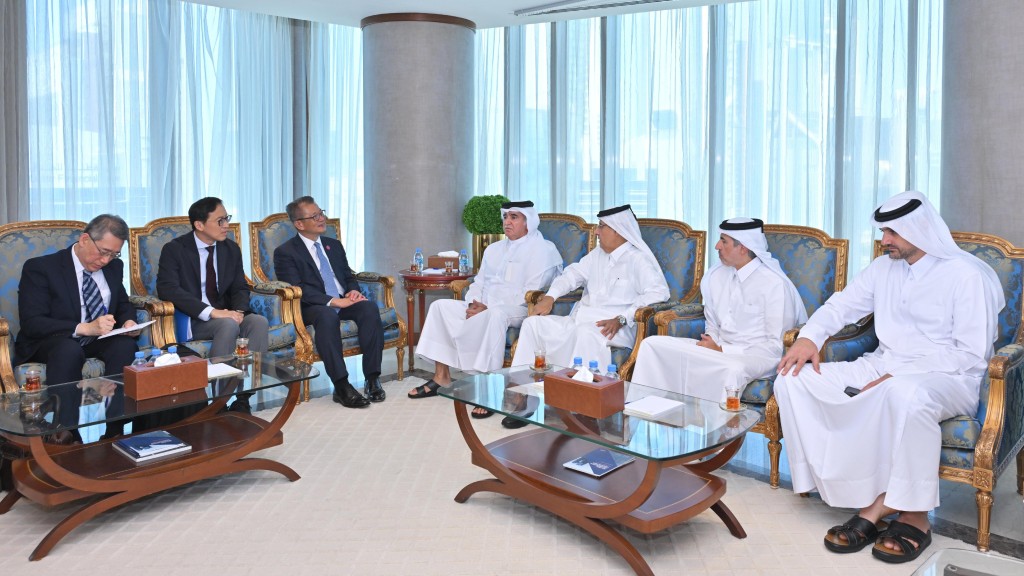
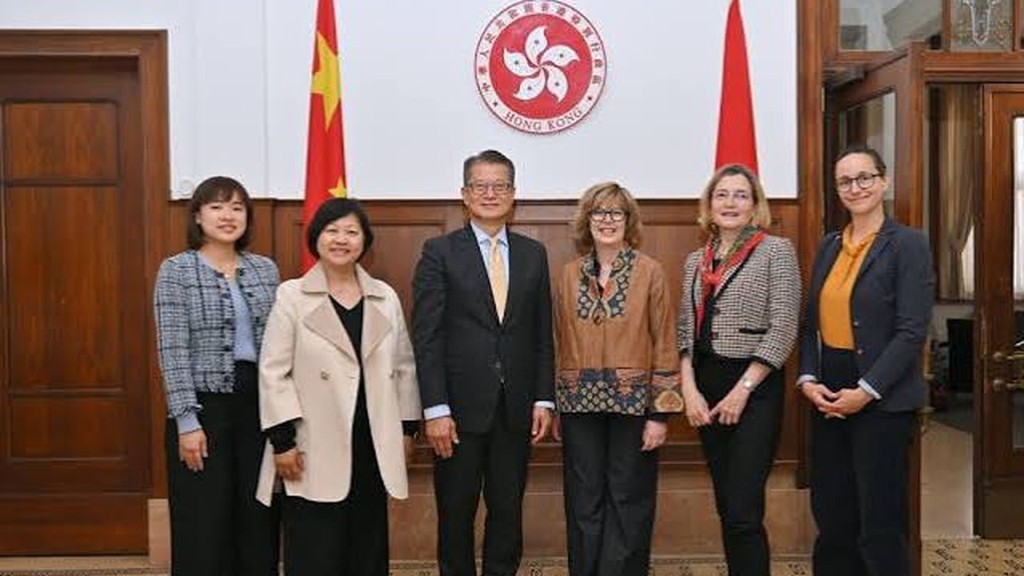
This fiscal synergy was on display in May 2026, when Financial Secretary Paul Chan Mo-po led a high-profile delegation to Brussels. During his meetings with European Commission financial authorities and corporate leaders, Chan reinforced the territory’s unique regulatory alignment and proposed an institutionalized financial services dialogue, slated to officially convene this November.
At the absolute top of the agenda is bilateral cooperation on green finance. Both sides are moving swiftly to optimize and align the Hong Kong Taxonomy for Sustainable Finance with European standards. This interoperability allows cross-border capital to transition seamlessly between European green funds and Hong Kong’s booming green bond market, which already accounts for approximately 40 percent of the entire Asian sustainable debt market.
Simultaneously, European industrial heavyweights are utilizing these bilateral frameworks to secure roles in Hong Kong’s multi-billion-dollar infrastructure initiatives. As the territory outlines its first-ever Five-Year Plan, European companies are actively positioning themselves to deploy advanced waste management, sustainable urban design, and clean hydrogen technology directly into mega-projects like the Northern Metropolis, helping the city engineer physical resilience against extreme climate risks.
This deepening localized cooperation occurs against a backdrop of escalating, macro-scale trade disputes between Beijing and Brussels. The European Union has significantly hardened its rhetoric against its wider trade deficit with China, raising sharp defenses against what it considers the flooding of cheap Chinese electric vehicles and green-tech components into European markets.
As the EU aggressively pursues a policy of “de-risking” – including moves to excise Chinese telecommunications giants from European networks – Hong Kong’s counter-trend of close collaboration showcases its unique institutional value.
Under the “One Country, Two Systems” framework, Hong Kong effectively functions as a regulatory and fiscal buffer zone. European firms can mitigate broader trade barriers by establishing a physical corporate footprint in Hong Kong, leveraging the city’s separate customs territory status and free-trade agreements to secure preferential access to the mainland market.
Conversely, cutting-edge Chinese green-tech firms can tap into Hong Kong’s common law legal structure, international accounting standards, and sophisticated capital markets to issue Euro-denominated green bonds and orchestrate cross-border corporate financing. In an increasingly fragmented global economy, the Hong Kong-EU corridor proves that financial pragmatism can successfully override political divergence.