
Read More
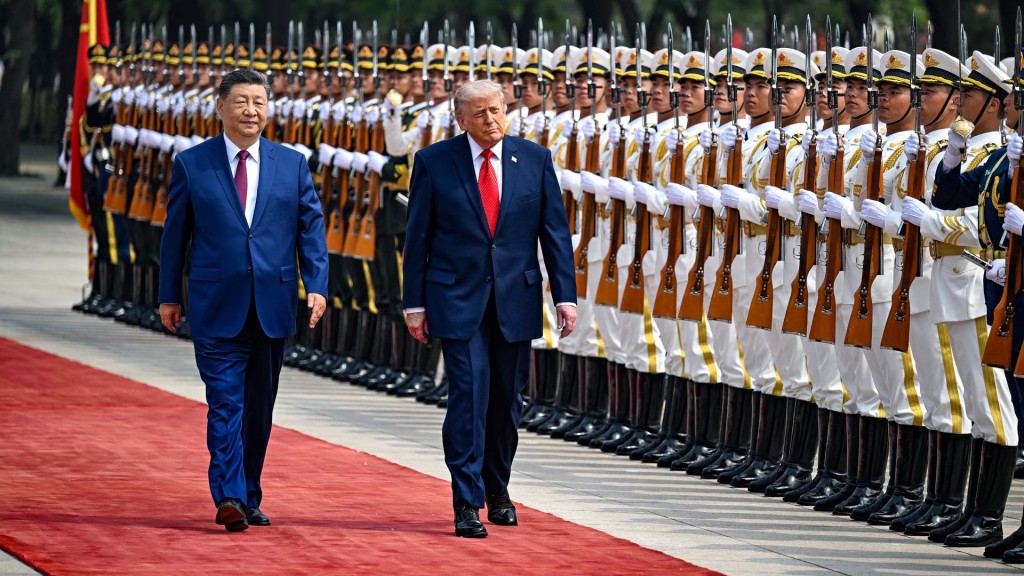
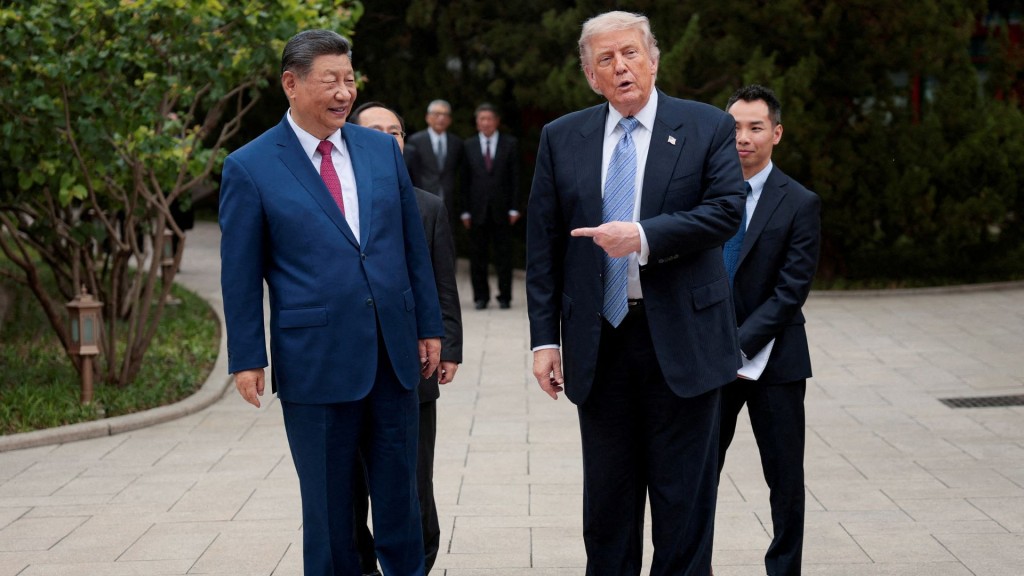
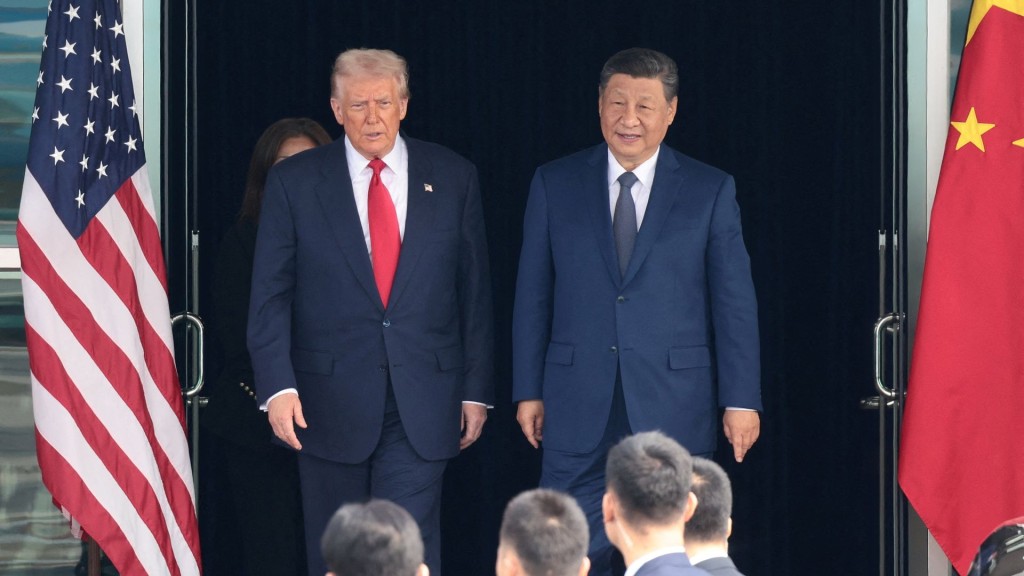
As US President Donald Trump and Chinese President Xi Jinping prepare for their high-stakes summit next month, artificial intelligence has definitively eclipsed traditional trade tariffs as the central arena of superpower competition. Once focused primarily on semiconductor export controls and hardware containment, the strategic rivalry has expanded into software ecosystems, model deployment, and intelligence security. With both nations locked in a complex technological standoff, the upcoming summit will test whether bilateral diplomacy can establish basic guardrails or if the AI race will devolve into unregulated cyber friction and market fragmentation.
ADVERTISEMENT
SCROLL TO CONTINUE WITH CONTENT
America's open-source dilemma
At the heart of Washington's AI policy lies an expanding rift between national security hawks and the American technology sector. While administration officials push to restrict or ban the enterprise adoption of Chinese open-source AI models, domestic software developers and Silicon Valley startups are mounting strong resistance. Highly performant, cost-effective Chinese model families – such as Alibaba's Qwen series and GLM architectures – have become deeply embedded in global developer workflows.
American tech executives argue that blanket bans on foreign open-source weights would cripple domestic developer productivity, inflate inference costs, and sever US firms from key global innovation networks.
Conversely, security strategists contend that reliance on Chinese-developed models introduces supply-chain vulnerabilities, telemetry risks, and strategic dependence on foreign intellectual property. This internal divide leaves Washington struggling to balance national security enforcement against the practical needs of its own commercial AI ecosystem.
Cyber weaponization and mutual paranoia
Simultaneously, Beijing's strategic calculus is increasingly driven by fears over AI-enabled cyber warfare. Chinese cybersecurity authorities have raised explicit concerns regarding Western frontier models, assessing that advanced US AI systems are being integrated into offensive cyber operations against China's critical infrastructure. The ability of autonomous AI agents and advanced large language models to automate vulnerability discovery, generate zero-day exploits, and execute adaptive cyber intrusions has transformed AI security into an urgent national defense issue for Beijing.
This mutual paranoia severely complicates the agenda for the September summit. While Washington seeks to curb Chinese access to cutting-edge hardware and restrict foreign data harvesting, Beijing is focused on securing assurances against Western AI-driven cyber operations. Yet, establishing verifiable restraint remains extraordinarily difficult when both superpowers view advanced AI through an offense-dominant lens.
If the Xi-Trump summit yields only escalated technology sanctions and unilateral bans, it will miss a vital window to stabilize the broader bilateral relationship. Achieving long-term strategic stability requires moving beyond unilateral economic containment toward formal, bilateral protocols on AI cyber operations and model safety. Without institutionalized guardrails, the rapid acceleration of AI capability will continue to outstrip diplomatic control, heightening the risk of systemic cyber instability across global networks.