Read More

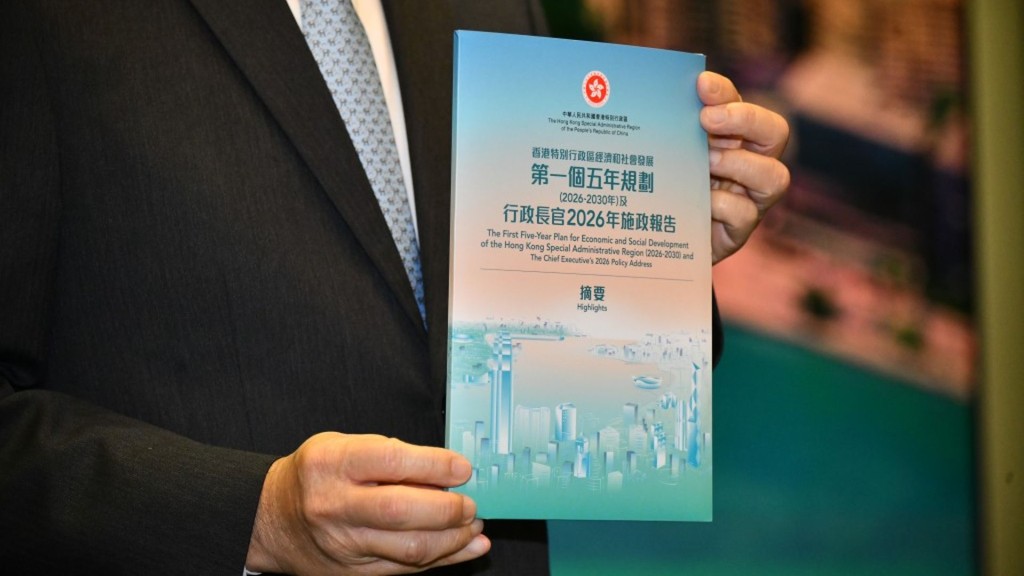



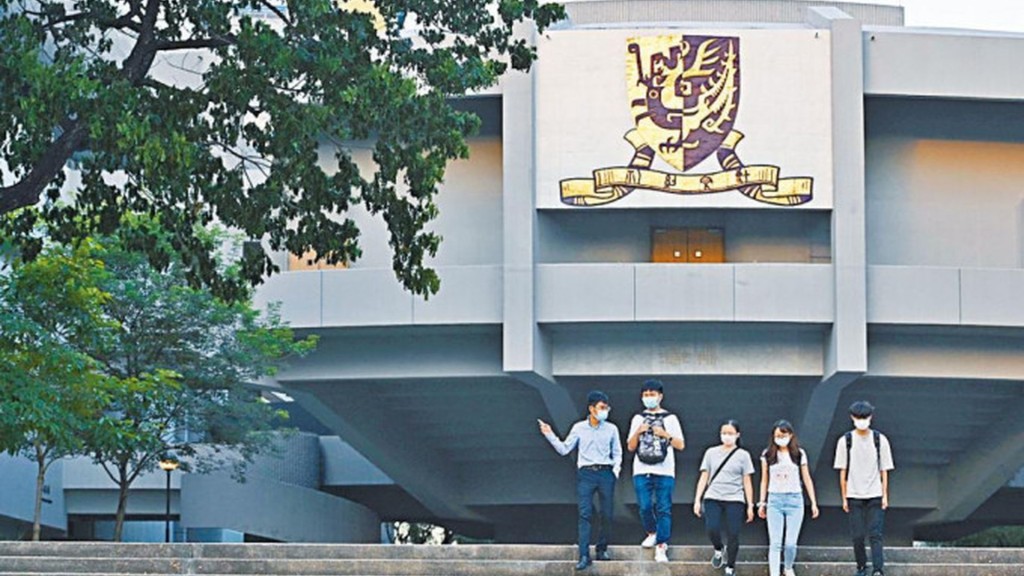
The Chinese University has formally unveiled its Strategic Plan 2026–2030, marking vice-chancellor Dennis Lo's inaugural five-year operational roadmap.
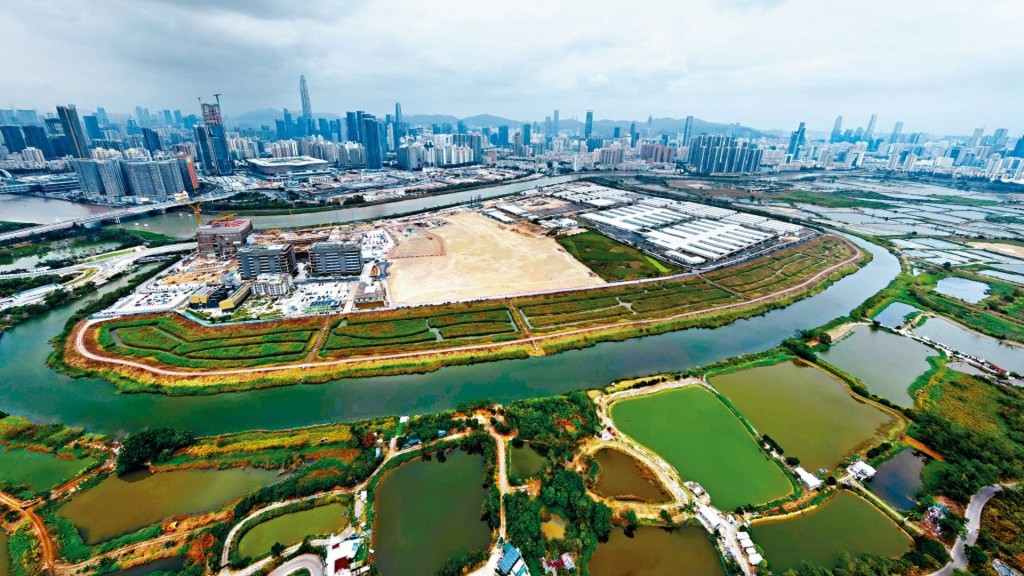
Centered on an ambitious framework dubbed "TIGER" – encompassing Talent Attraction, Institutional Development, Global Engagement, Education, and Research – the blueprint guides a transformative spatial expansion into Area 39, directly adjacent to the forthcoming Pak Shek Kok MTR station.
Crucially, the master plan establishes CUHK's 10th college, a postgraduate-focused institution designed to extend the university's signature collegiate system, alongside a 300,000-square-foot medical complex, life sciences laboratories, and state-of-the-art research infrastructure accommodating over 850 scholars.
Formulated in direct alignment with national development goals under China's 15th Five-Year Plan and Hong Kong's innovation strategy, this expansion directly confronts what Professor Lo characterized as the "boutique hotel" paradox of local institutions: world-class academic prestige – reflected in CUHK's historic rise to 18th in the QS World University Rankings – severely throttled by physical land constraints that impede industrial scaling and long-term institutional growth.
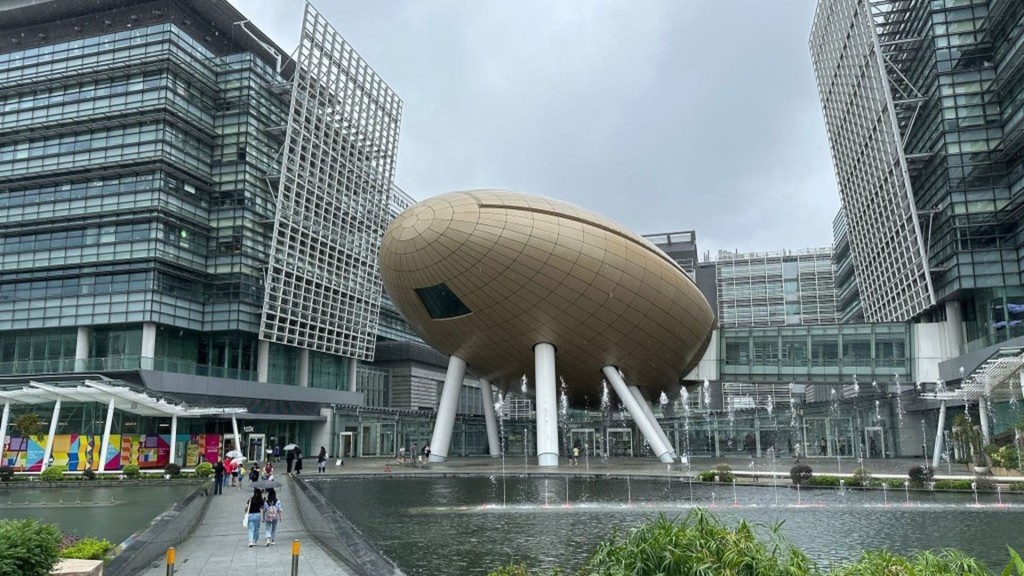
By concentrating its new capital development in Area 39, CUHK physically bridges its main university campus with the neighboring Hong Kong Science Park via the new Pak Shek Kok transit link.
Historically, Hong Kong's innovation and technology ambitions have suffered from persistent commercialization bottlenecks. High-value academic breakthroughs frequently face severe friction transitioning into industrial application due to spatial fragmentation, a lack of specialized pilot facilities, and excessive real estate overhead.
Co-locating the new postgraduate college alongside cutting-edge research complexes creates a continuous physical corridor for rapid technology transfer. Under the "Research and Innovation" pillar, CUHK is positioning its faculty to participate in national-level scientific tasks – spanning polar, deep-sea, and aerospace exploration – while driving interdisciplinary breakthroughs in life health, artificial intelligence, and quantum science.
This integrated infrastructure ensures that basic scientific research feeds directly into commercialized, market-ready applications, seamlessly connecting CUHK's intellectual assets with Greater Bay Area innovation nodes like Hetao and the Northern Metropolis.
The roadmap also directly addresses Hong Kong's intensifying competition for premier global scientific talent.
International demand for CUHK's academic programs continues to surge, with overall non-local applications rising by 20 percent this year and non-mainland international applicants – particularly from Southeast Asia and the Middle East – jumping by a remarkable 75 percent. To capture this momentum, CUHK introduced the Fenghuang Scholarship to recruit top-tier international scholars while executing general education reforms that synthesize national awareness with a global perspective.
However, prohibitive residential costs and limited specialized housing in Hong Kong remain primary hurdles to retaining international postdocs, research fellows, and principal investigators. Integrating dedicated postgraduate housing and collaborative research space into Area 39 directly mitigates these operational cost barriers.
As Hong Kong accelerates its transformation into an international innovation hub, academic reputation alone is no longer sufficient; it must be backed by scalable physical infrastructure. CUHK's five-year "TIGER" framework proves that physical footprint expansion is not merely an institutional real estate venture, but an essential strategic prerequisite for sustaining Hong Kong's long-term economic competitiveness and global scientific leadership.