Read More
For years, the terms “derisk” and “decouple” were directed squarely at China. Today, in a striking strategic pivot, the global economic community is applying the same calculus to the United States. Driven by aggressive tariffs and geopolitical hostility, the world is beginning to hedge against American economic and fiscal volatility, triggering a profound realignment that is strengthening China’s global position.
ADVERTISEMENT
SCROLL TO CONTINUE WITH CONTENT
China’s forced diversification becomes a strategic windfall
The US, leveraging its status as the “largest market,” initiated a trade war, intending to hurt China. The result has been the opposite. Forced to look elsewhere, China has engineered a historic export boom, posting a record US$1.19 trillion (HK$9.28 trillion) trade surplus in 2025. This success underscores a resilient, diversified economic model no longer reliant on the US consumer. Simultaneously, China has been executing a financial decoupling, selling US Treasuries for nine consecutive months. Its holdings have plummeted to US$682.6 billion, ceding its longtime position as the top foreign creditor to Japan and, notably, the United Kingdom.
The debt dilemma: global confidence in US treasuries falters
China’s sell-off is not an anomaly but a precursor. The underlying justification is glaring: a US national debt soaring past US$38.4 trillion, with an alarming increase of US$2.25 trillion in the past year alone. This unsustainable fiscal path, costing over US$71,000 per second, is now a recognized systemic vulnerability. Institutional investors like Denmark’s AkademikerPension are making headlines by divesting from US debt, citing fiduciary duty over geopolitical loyalty. The fear is a cascading effect – if major holders exit, interest rates could surge, crippling US growth and global stability. Facing US threats, many countries are facing a dilemma on whether or not to reduce their exposure to US Treasuries.
Geopolitical gravity shifts: allies seek their own “golden era”
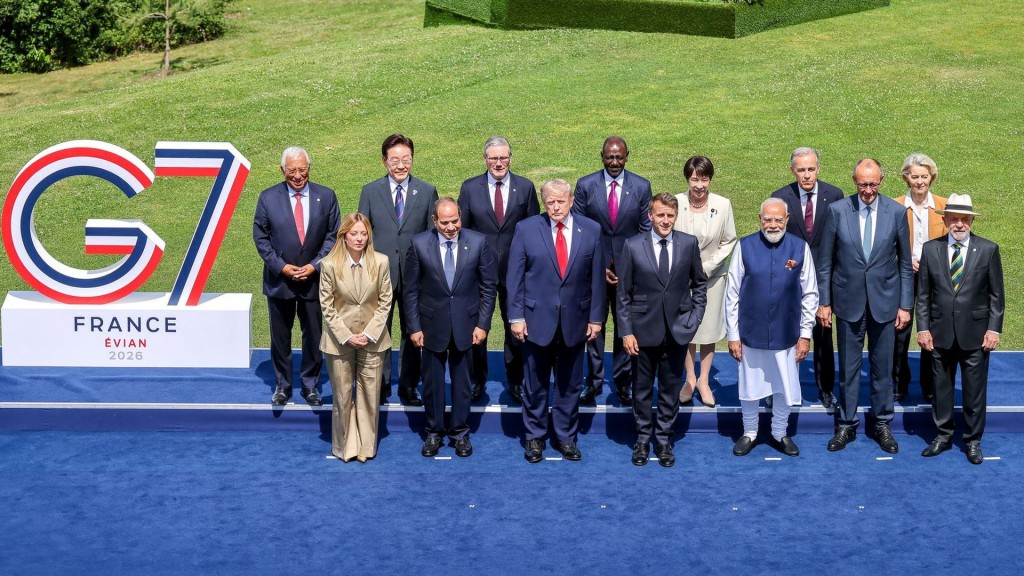
Perhaps most telling is the geopolitical realignment unfolding alongside the financial one. Traditional US allies are not following Washington’s confrontational lead. Instead, the UK and Canada are moving closer to China. Prime Minister Keir Starmer’s upcoming visit to Beijing aims to revive a “golden era” of business dialogue, after Canadian Prime Minister Mark Carney’s visit last week. This pragmatic outreach for trade and investment opportunities signals a global appetite for engagement that the US is increasingly opting out of.
The unintended consequences of hostility
The current trajectory presents a profound irony. Policies designed to contain China have instead catalyzed its economic resilience and strategic outreach. By weaponizing its market and exposing its fiscal fragilities, the US has inadvertently encouraged the world – including its own friends – to derisk from American volatility. This is not decoupling; it is a global recoupling around new centers of economic gravity. The US, through hostility and fiscal irresponsibility, is architecting a world less dependent on its dominion, effectively making China great again not by its own hand, but by default.
The question now is whether Washington will recognize this strategic miscalculation before its economic centrality diminishes further.