
Read More
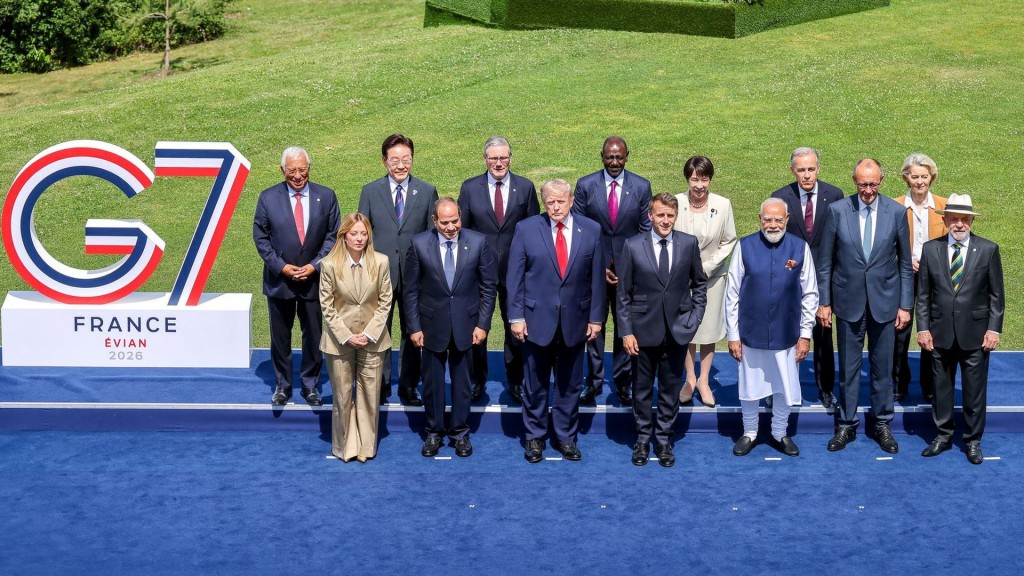
This year’s G7 summit in Evian, France, has been starkly defined by widening rifts both outside and inside the resort walls.
ADVERTISEMENT
SCROLL TO CONTINUE WITH CONTENT
On the streets of nearby Geneva, thousands of protesters marched to voice their anger over Western leaders’ complicity in the humanitarian catastrophe in Gaza, systemic inaction on the climate crisis, and a widening wealth gap – starkly illustrated as businessman Elon Musk became the world’s first trillionaire while millions across Western societies face skyrocketing costs of living and crumbling social infrastructure. Inside the secure perimeter of Evian, a different but equally volatile discord brewed among the leaders themselves.
From economic hegemony to fragmented geopolitics
The G7’s current paralysis stands in sharp contrast to its historical roots. The bloc originated during the 1973 oil crisis when the finance ministers of the US, the UK, France, and West Germany gathered in the White House Library. Their goal was to formulate a unified Western economic counter-strategy after Arab oil-producing nations sharply cut production and banned exports to protest US military aid to Israel.
Gradually expanding to include Japan, Italy, and Canada, this coalition of the seven most advanced industrial economies once commanded roughly 70 percent of global GDP. Throughout the Cold War, the G7 functioned as an effective economic front, successfully coordinating sanctions, managing tech-export controls against the Soviet bloc, and absorbing the shock of the 1979 energy crisis.
However, decades of domestic deindustrialization and the rapid economic rise of China, India, and the broader Global South have fundamentally altered the global balance of power. Today, the G7 commands only about 30 percent of the world economy in terms of purchasing power parity. Consequently, its unilateral sanctions regimes have lost their bite, proving less effective against nations like Russia and Iran, whose vital oil revenues remain insulated by massive energy consumers like China and India.
Realities of a multipolar world
This year, the G7 leaders arrived in Evian with overt hostility. US President Donald Trump threatened sweeping tariffs on French wines and champagne in retaliation against Paris’s digital services tax on American tech giants. Concurrently, Canadian Prime Minister Mark Carney sharply criticized Washington for restricting foreign access to the latest models from the US artificial intelligence firm Anthropic, exposing a growing technological nationalism within the West.
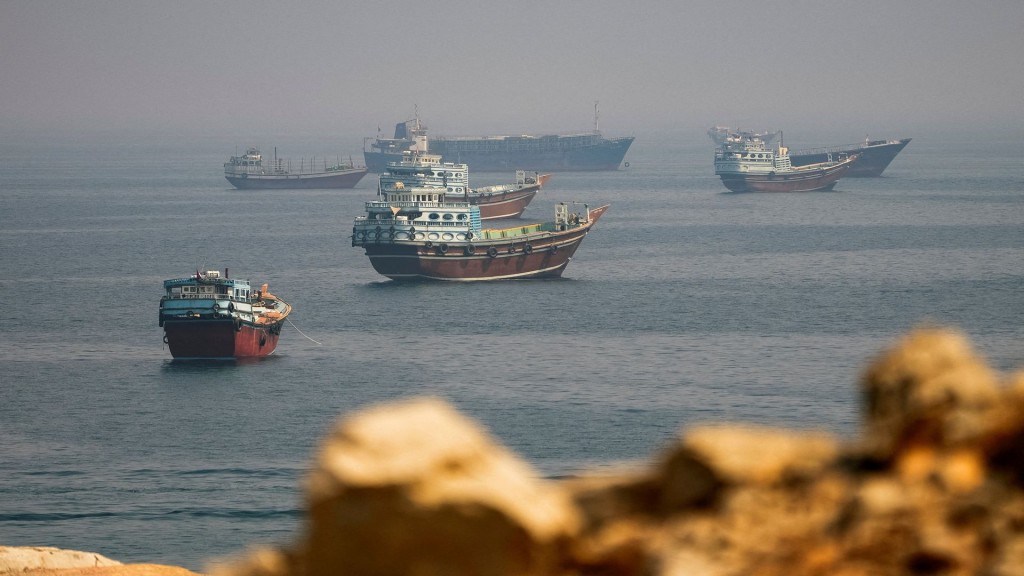
Geopolitical security has further deepened these rifts. Recent US military strikes against Iran provoked widespread dissatisfaction among member states, who criticized Washington for taking unilateral action without prior consultation. These nations had previously rejected Trump’s demands to deploy naval escorts through the Strait of Hormuz. When a subsequent blockade of the strait triggered a severe oil shock, energy-dependent member states like Japan were left highly vulnerable, yet the G7 failed to construct a unified economic response.
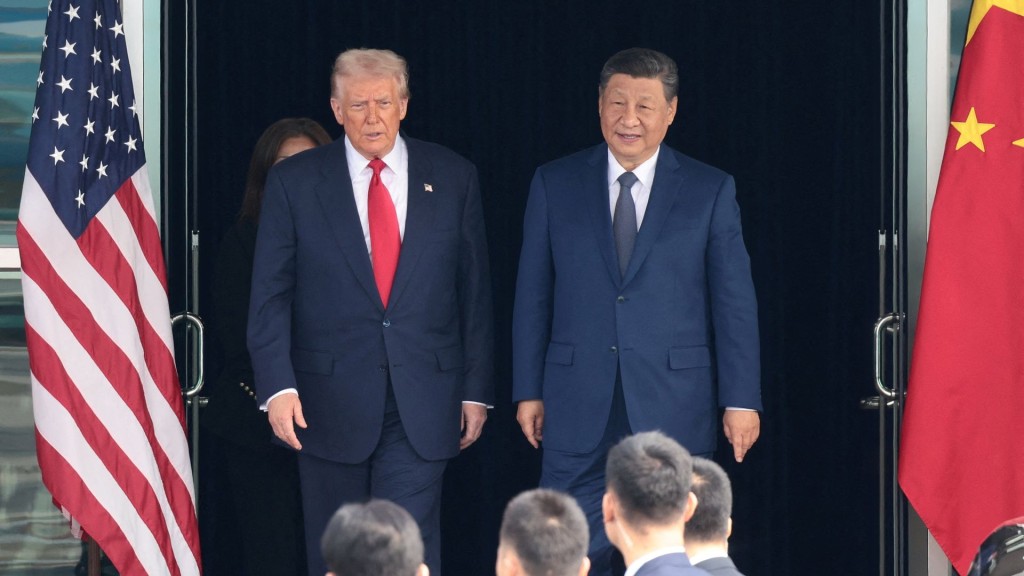
With the Trump administration pivoting toward a transactional “America First” doctrine and seeking bilateral stability with Beijing, a shared consensus on Ukraine and China has become difficult to maintain. For the second consecutive year, the summit is expected to conclude without a joint communique. The accelerating transition toward a multipolar world is forcing Western allies to abandon collective solidarity in favor of independent actions that fiercely protect their own national interests.