
Read More
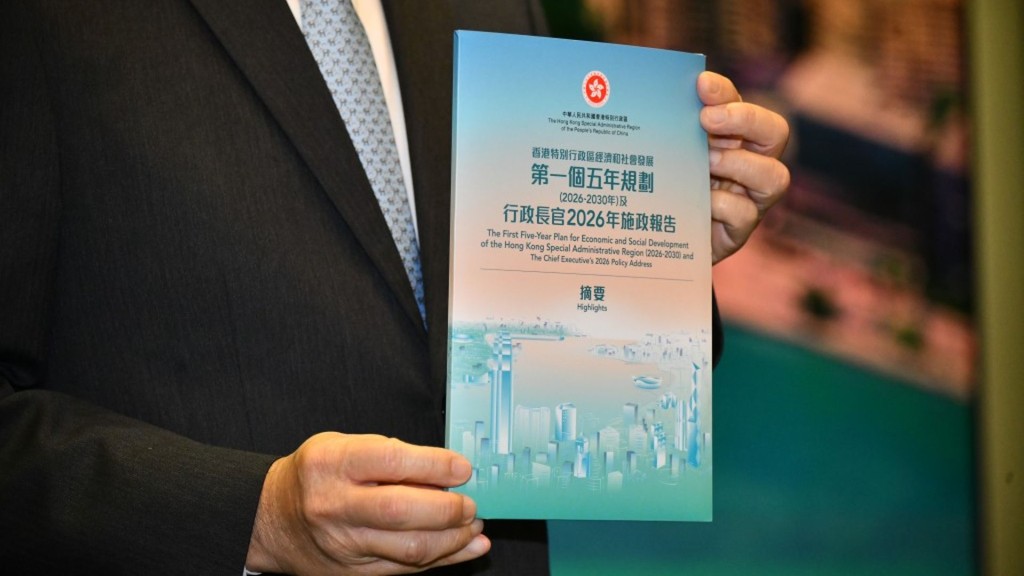
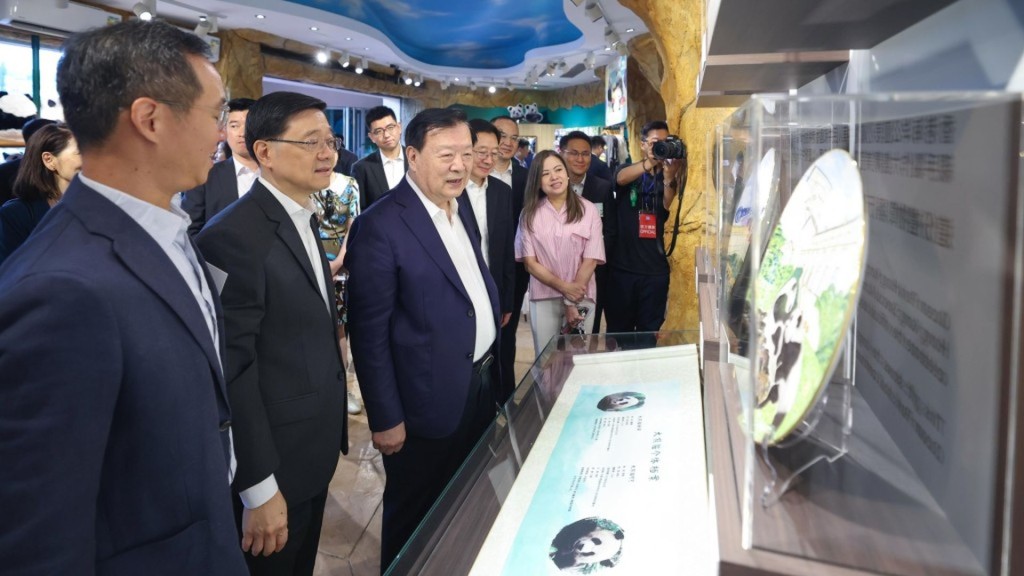
The precise itinerary of Xia Baolong, Director of Hong Kong and Macao Affairs Office, during his intensive two-day inspection of Hong Kong last week, has provided clear indicators of Beijing’s core priorities for the territory. The high-profile visit occurred at a critical juncture, as the Hong Kong government is drafting its first-ever Five-Year Plan to systematically align the city’s economic growth with China’s broader national development strategies.
ADVERTISEMENT
SCROLL TO CONTINUE WITH CONTENT
The Northern Metropolis imperative
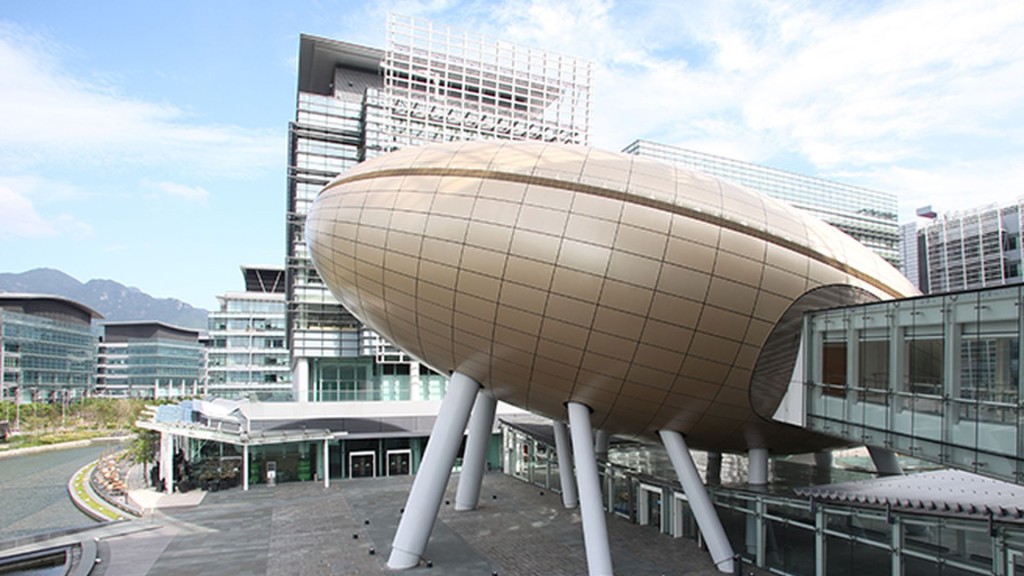
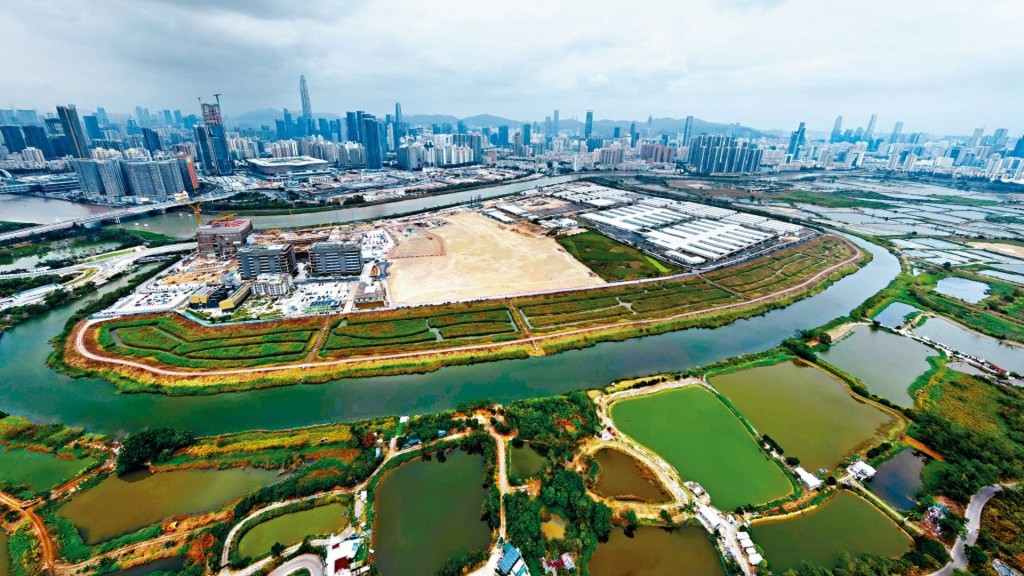
On the first day of his trip, Director Xia focused heavily on the emerging landmarks of the New Territories. His visits to the Hung Shui Kiu/Ha Tsuen New Development Area, the proposed Northern Metropolis University Town, the Microelectronics Centre, and a Light Public Housing project in Yuen Long underscored Beijing’s insistence that Hong Kong transition into an international innovation and technology hub.
The Hung Shui Kiu/Ha Tsuen area is slated to serve as a premium commercial node for high-end financial services, technological ventures, and modern logistics. Meanwhile, the Northern Metropolis University Town is envisioned as an institutional anchor, training elite tech talent to feed directly into the nearby San Tin Technopole and the Hong Kong-Shenzhen Innovation and Technology Park.
Crucially, Xia’s stop at the Yuen Long housing site highlights that Beijing treats Hong Kong’s housing crisis not merely as an economic bottleneck. Having explicitly demanded the eradication of inadequate subdivided flats and cage homes by 2049, Xia’s presence signaled that local social stability remains tightly bound to housing resolution. This boundary-pushing integration was further mirrored in Xia’s logistics. Opting to return to Shenzhen rather than stay in Hong Kong, he crossed the new Huanggang Port checkpoint. This move effectively field-tested a critical aerial and land artery connecting Shenzhen directly to the Northern Metropolis, just ahead of an upcoming National People’s Congress Standing Committee bill to grant Hong Kong legal jurisdiction within the Shenzhen port zone under a streamlined co-location arrangement.
Securing the southern flank
On the second day, Xia shifted his focus southward to the COSCO-HIT Terminals in Kwai Chung. This visit broadcast a clear strategic directive from the central government: Hong Kong must vigorously preserve and defend its status as an international maritime hub. Amid aggressive, state-of-the-art competition from neighboring mainland ports such as Shenzhen and Guangzhou, Beijing expects Hong Kong to aggressively digitalize, automate, and upgrade its port infrastructure to maintain global relevance.
Ultimately, the inspection highlights that while Hong Kong builds physical infrastructure to link with the mainland, its most valuable assets remain its distinct institutions.
By maintaining its common law jurisdiction, bilingual professional sectors, and independent taxation system, Hong Kong is uniquely positioned to act as a regulatory safe haven. As Western geopolitical tensions drive supply chain decoupling, the city offers mainland enterprises a secure, legally familiar base to manage global cargo assets, anchor offshore entities, and navigate a highly volatile international market.